
About Roppongi
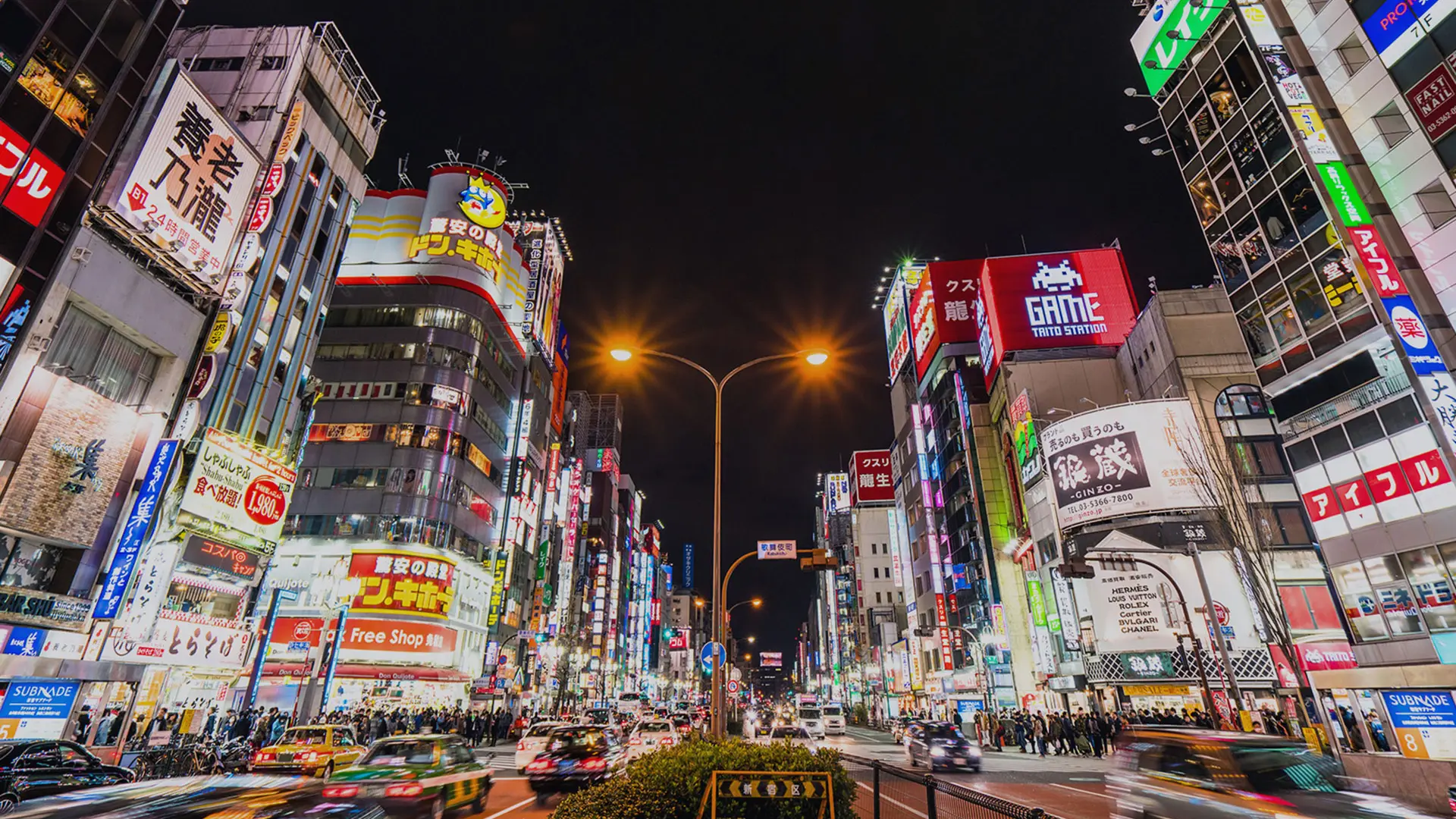
Roppongi, Tokyo is a unique district that blends international urban luxury, avant-garde art and a dazzling nightlife. From day to night it shows completely different faces, with world-class museums and lush gardens as well as fashion boutiques and Michelin-starred restaurants. Roppongi is not only a center of Tokyo’s culture and art but also a great place to experience the high life and the pulse of trends.
Roppongi’s development began with the samurai residences of the Edo period, and after World War II it gradually turned into an international area around foreign embassies and US military bases. With the completion of large complexes such as Roppongi Hills and Tokyo Midtown, Roppongi rose to become Tokyo’s most closely watched center of fashion and art. In 2026 it continues to lead trends, drawing visitors from around the world with its varied appeal.
The History and Evolution of Roppongi
Roppongi’s history goes back to the Edo period, when it was an area lined with samurai residences, and the name “Roppongi” (六本木, “six trees”) comes from six pine trees. After World War II the stationing of US troops gradually internationalized the area, and its nightlife culture flourished with it, making it a famous entertainment district of Tokyo.
In the 21st century, with the completion of major redevelopment projects such as Roppongi Hills and Tokyo Midtown, Roppongi transformed into a modern urban center that combines art, commerce, residences and entertainment. Its distinctive international atmosphere and cultural flavor make it an indispensable part of Tokyo.
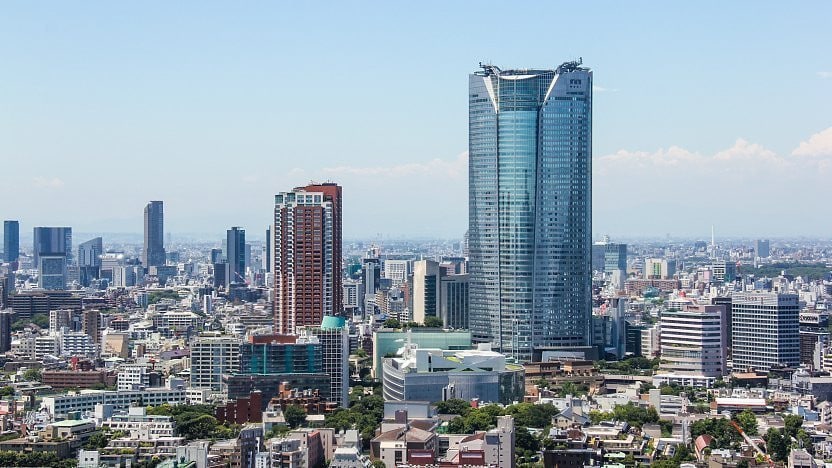
Roppongi’s Location and Character
Roppongi is in Minato Ward, Tokyo, in an excellent and convenient location, a hub linking Tokyo’s main business and sightseeing areas. It is known for its upscale shopping centers, world-class museums, stylish restaurants and bars, and vibrant nightlife.
The area is not only a paradise for art lovers but also a mecca for food lovers and one of the birthplaces of fashion trends. Whether you want to enjoy art, taste fine food, shop, or experience Tokyo’s energy at night, Roppongi will meet your expectations.

Getting There
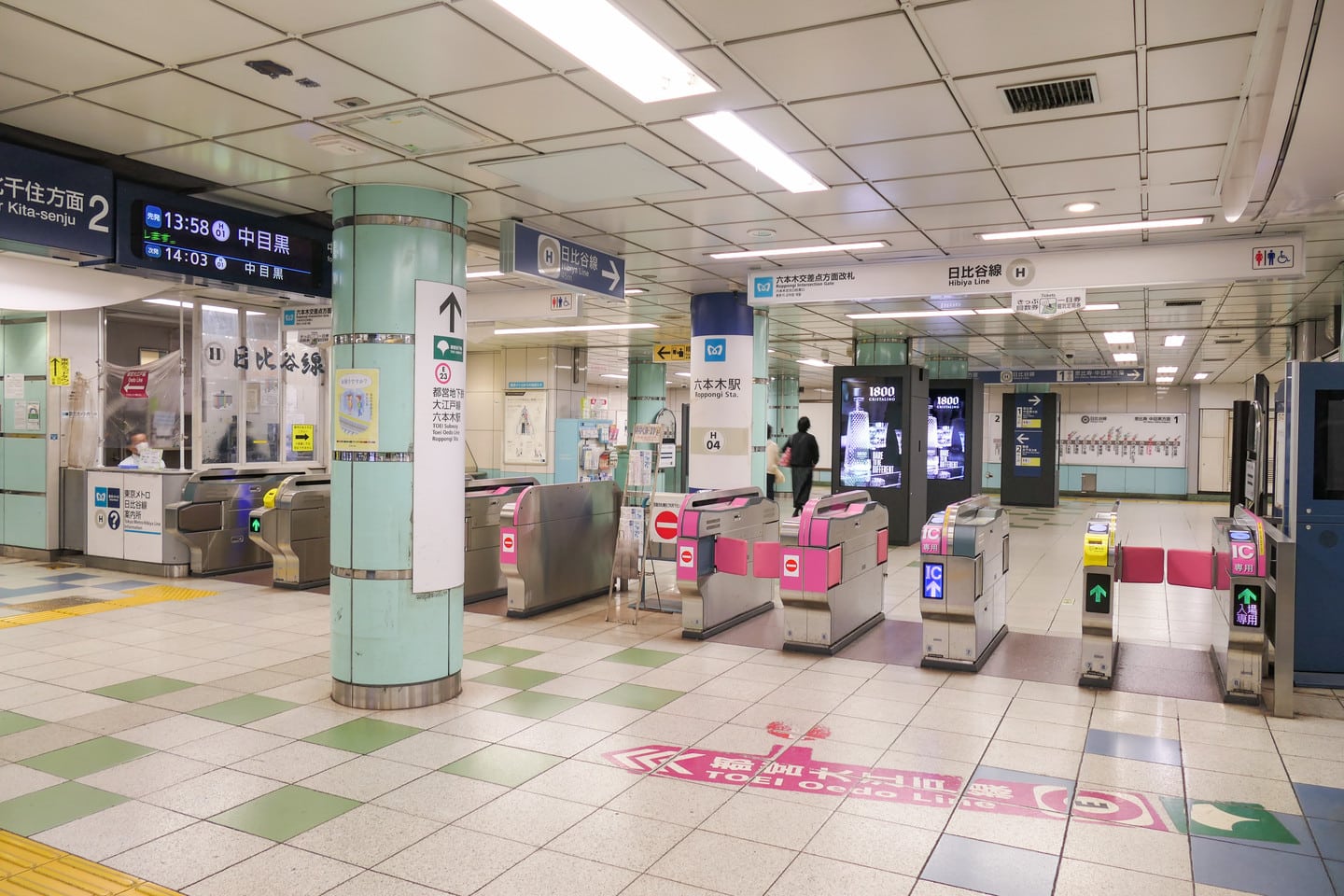
The most convenient way to reach Roppongi is to take the Tokyo Metro Hibiya Line or the Toei Oedo Line directly to Roppongi Station. It takes about 10-15 minutes from Shinjuku and about 20-25 minutes from Tokyo Station with a transfer. After exiting the station, you can walk to major attractions such as Roppongi Hills and Tokyo Midtown.
Highlights and Experiences
Roppongi is known for its world-class art institutions, soaring skyscrapers, tranquil Japanese gardens and vibrant nightlife. Whether you are an art lover, a shopaholic or a night owl, you can find your own fun here. Below are Roppongi’s must-visit highlights and unique experiences.
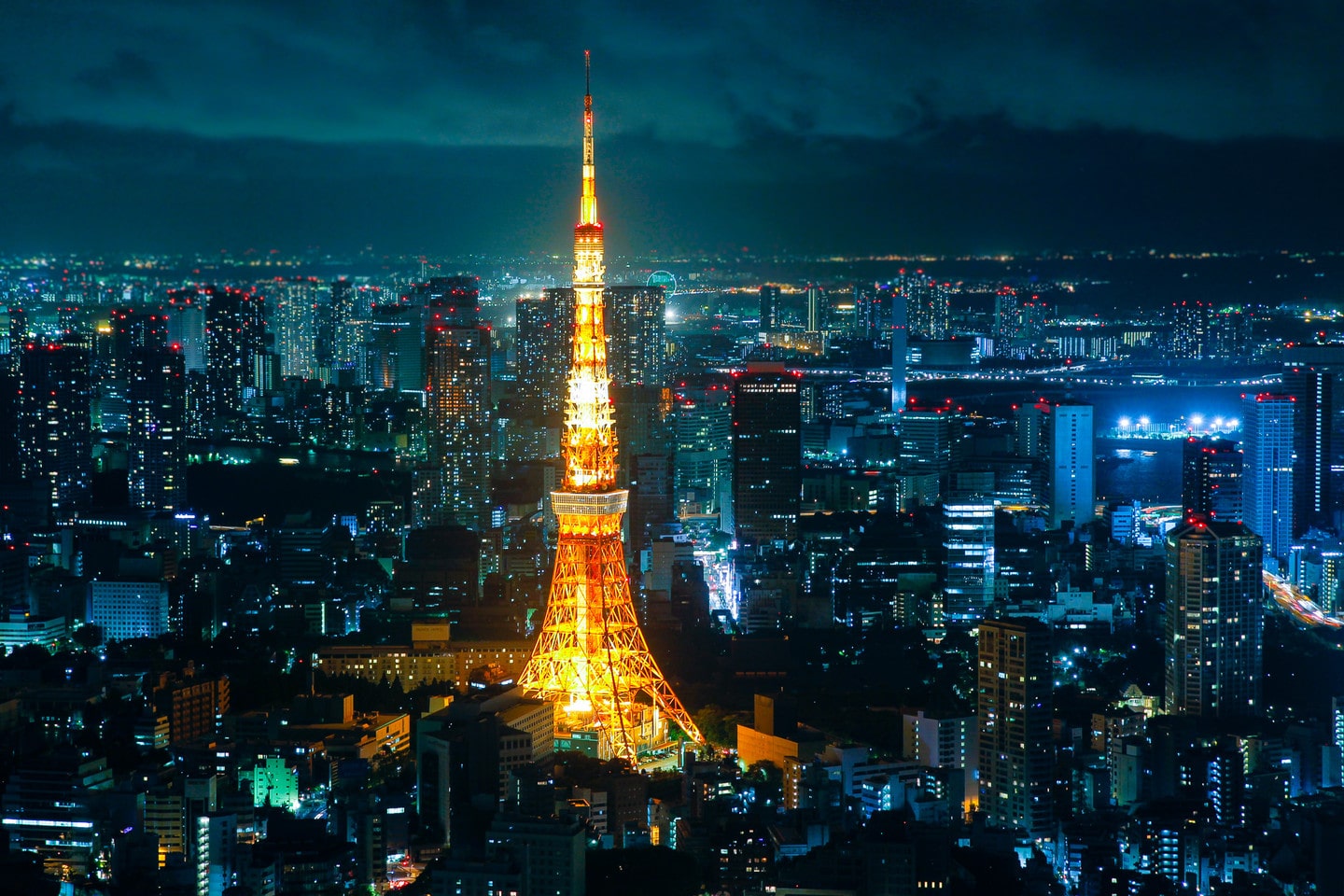
From immersing yourself in the art atmosphere at museums by day, to admiring the magnificent night view of Tokyo Tower from an observation deck in the evening, to sipping a drink at a stylish bar late at night, Roppongi offers varied entertainment that makes your Tokyo trip full of surprises.
Roppongi Hills: A City Within a City
Roppongi Hills is Roppongi’s landmark complex, bringing together office buildings, residences, a shopping center, restaurants, a cinema and a museum. Its core building, Mori Tower, stands 238 meters tall, and its top floors house the famous Mori Art Museum and the Tokyo City View observation deck.
Here you can shop to your heart’s content, taste cuisine from around the world, or see international-level contemporary art exhibitions at the Mori Art Museum. In winter, the Christmas illuminations on Keyakizaka Street are an unmissable romantic sight in Tokyo, drawing countless visitors.
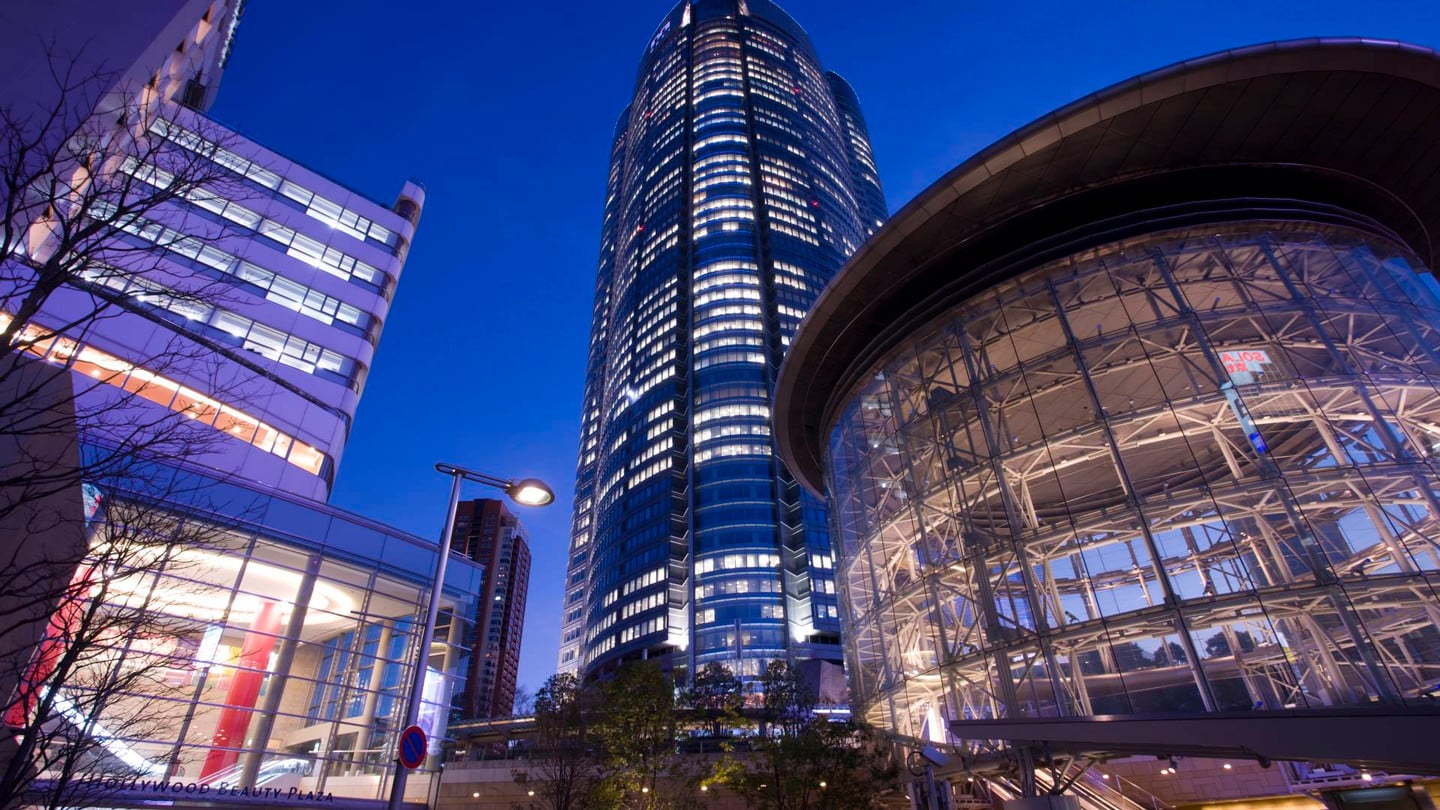
Tokyo Midtown: A Temple of Fashion and Art
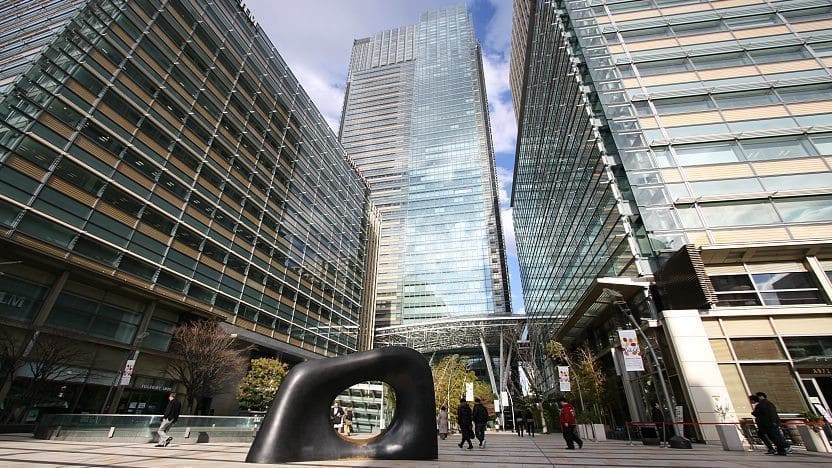
Tokyo Midtown is another large complex, themed “Design & Art,” that gathers art institutions such as the Suntory Museum of Art and 21_21 DESIGN SIGHT.
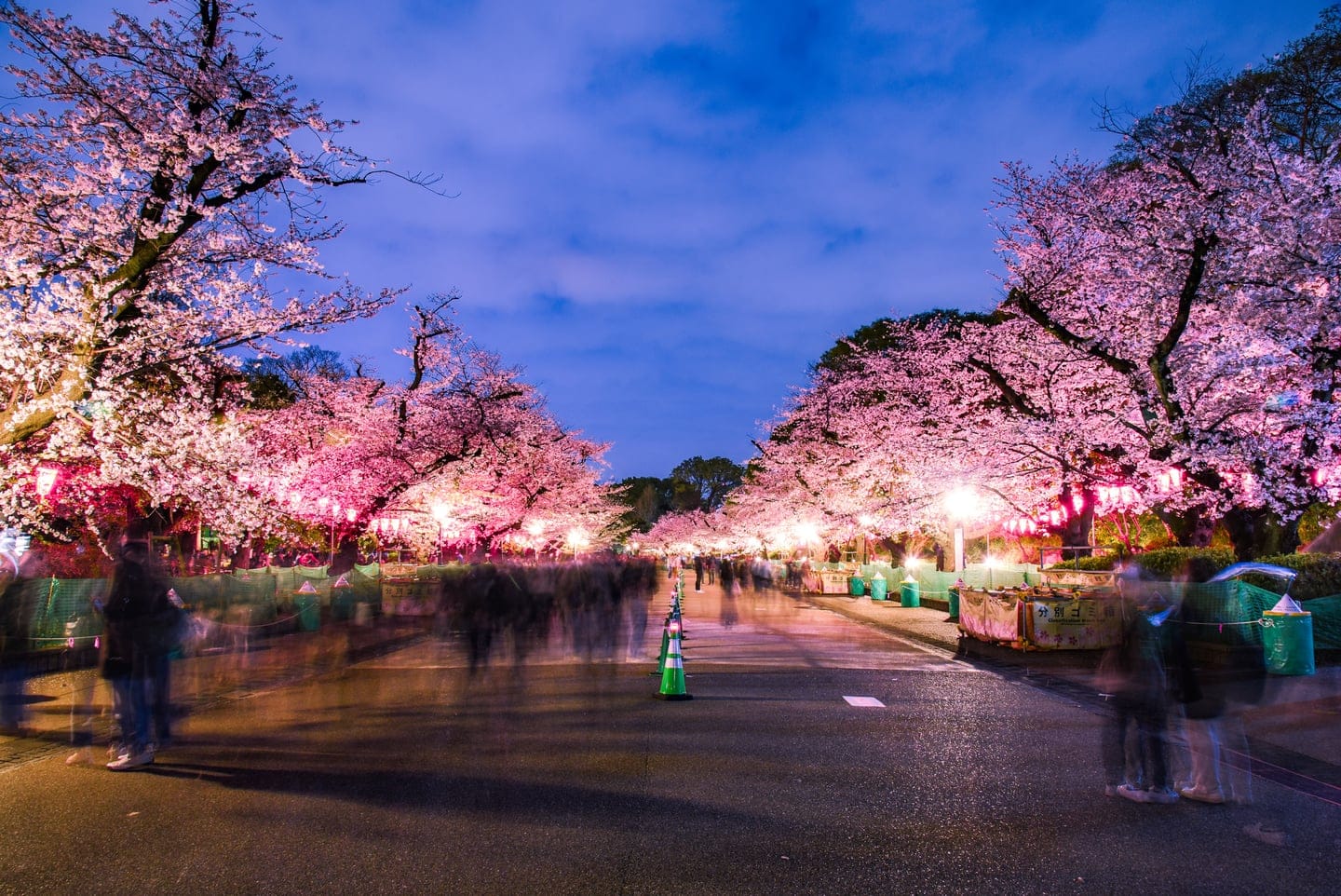
It is not only a temple of art but also a concentration of high-end shopping and fine dining. Midtown Garden hosts varied events in different seasons, such as cherry blossom illuminations in spring and Christmas lights in winter, adding a touch of greenery and vitality to city life.
The National Art Center, Tokyo: A Forest of Art
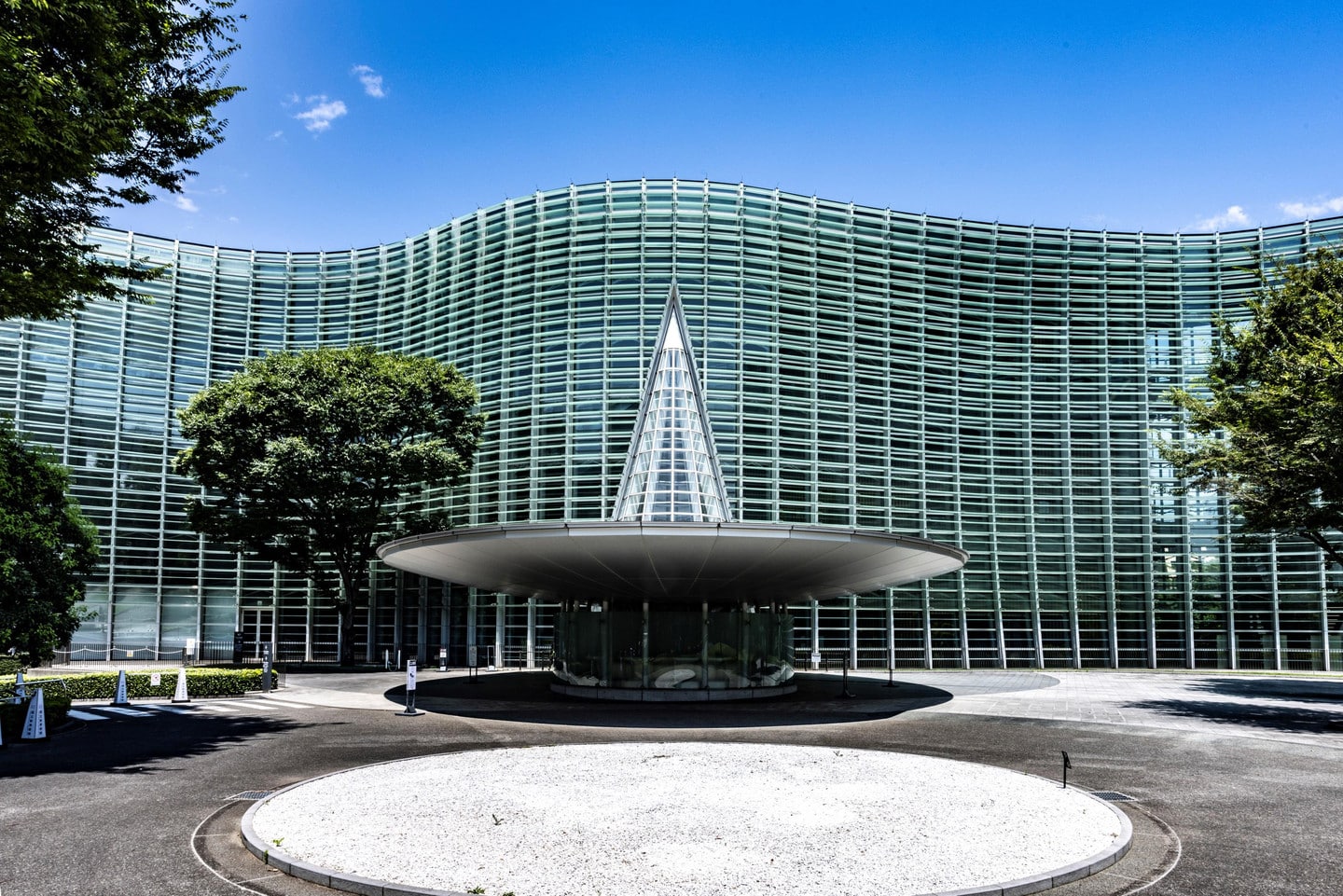
The National Art Center, Tokyo is known for its distinctive wave-shaped glass facade, designed by master architect Kisho Kurokawa. It is the only national art museum in Japan without a permanent collection, focusing on large special exhibitions from Japan and abroad, so every visit offers a different art experience.
The spacious, bright interior has a cafe and restaurant, making it a must-visit for art lovers and architecture fans. Its open space design and rich exhibition content make it an important part of the Roppongi Art Triangle.

Mori Art Museum: Contemporary Art in the Sky
Located on the 53rd floor of Mori Tower in Roppongi Hills, the Mori Art Museum is one of Tokyo’s most representative contemporary art museums. Themed around “art and life,” it shows the world’s most avant-garde art and often hosts international-level special exhibitions.
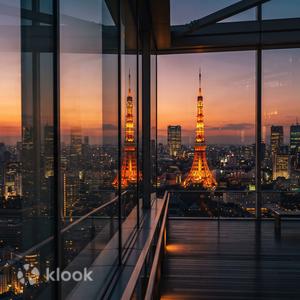
The museum’s location lets you look out over Tokyo’s magnificent cityscape while enjoying art, and especially at night, combined with the Tokyo City View observation deck, it offers a one-of-a-kind art and night view experience.
Suntory Museum of Art: Carrying On Japan’s Sense of Beauty
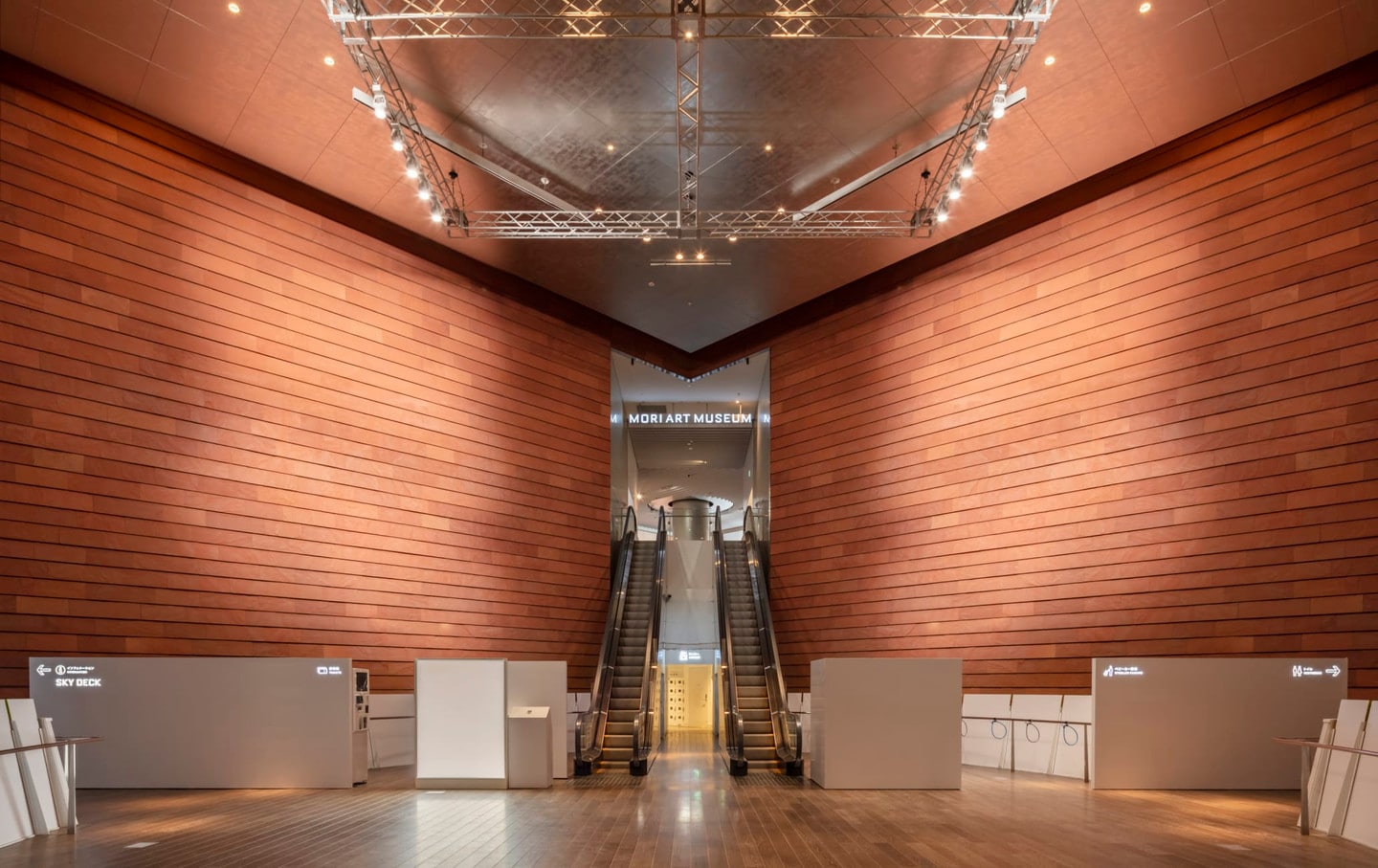
The Suntory Museum of Art is inside Tokyo Midtown and was designed by architect Kengo Kuma. Guided by the idea of “beauty in living,” it mainly collects and shows classical Japanese art, including paintings, ceramics and lacquerware, aiming to pass on Japan’s distinctive aesthetic sensibility.
The museum’s design makes extensive use of wood and washi paper, creating a warm and tranquil atmosphere that complements the traditional art on display. It has a tea room, Genchoan (玄鳥庵), where visitors can experience Japanese tea ceremony culture in addition to viewing art.
21_21 DESIGN SIGHT: A Laboratory of Design
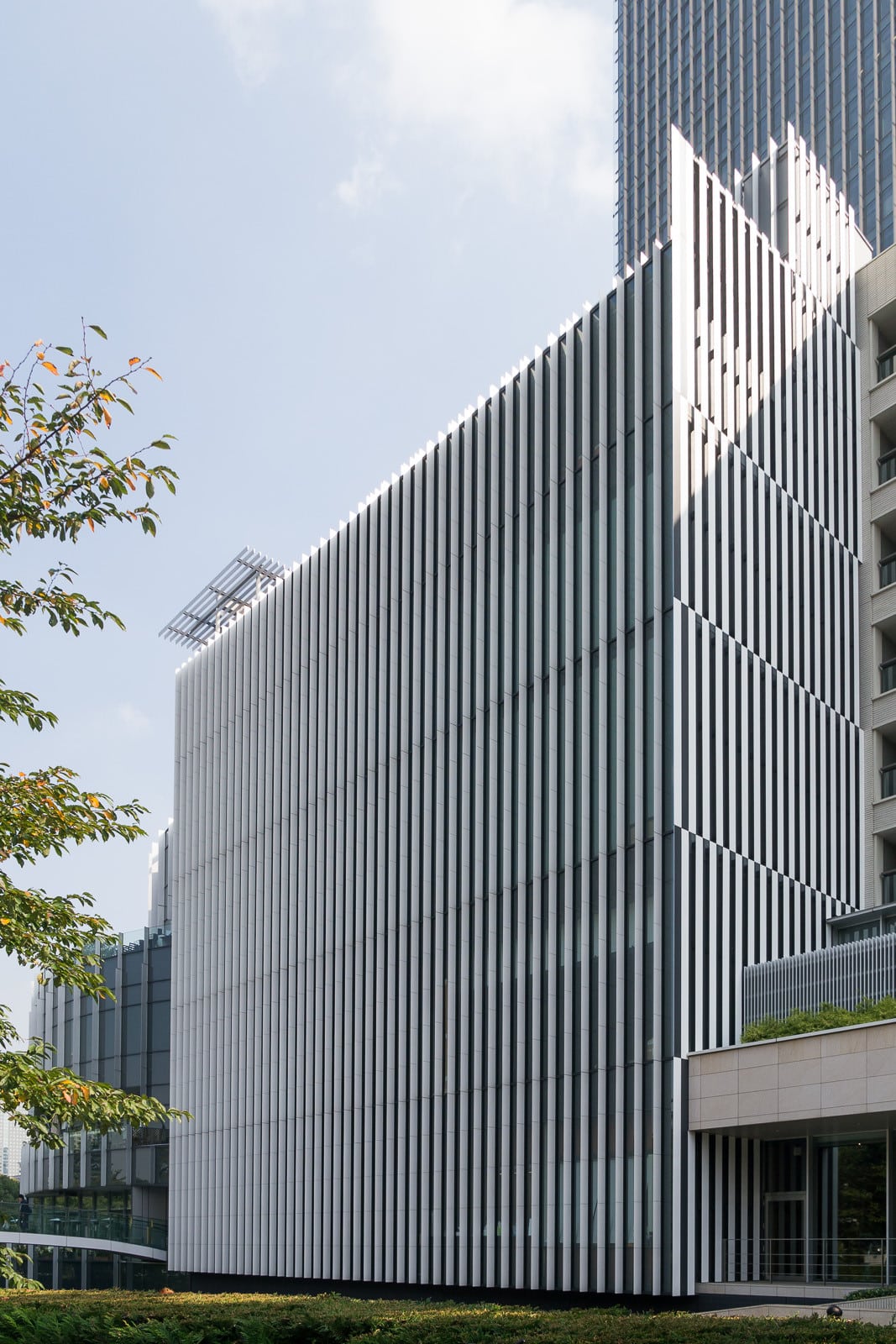
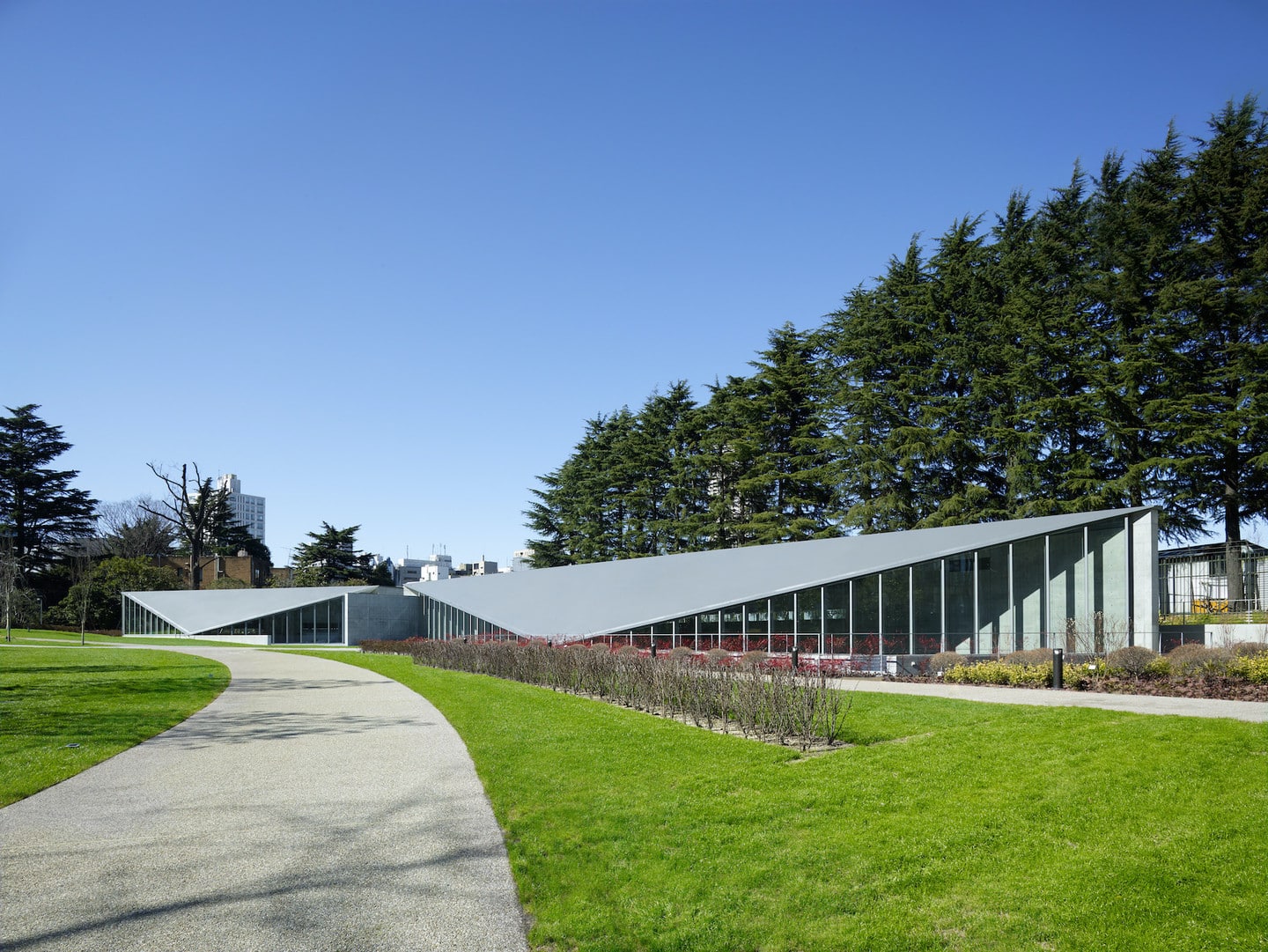
21_21 DESIGN SIGHT is a design museum co-founded by fashion designer Issey Miyake and architect Tadao Ando. With the aim of “prompting people to take a fresh look at everyday life,” it explores the endless possibilities of design through various exhibitions and events.
The museum’s architecture is itself a work of art, and its distinctive “single-sheet roof” design is memorable. Its exhibition themes are diverse, from product design to graphic design and from architecture to fashion, presenting the charm of design from a unique perspective.
Mohri Garden: An Urban Oasis
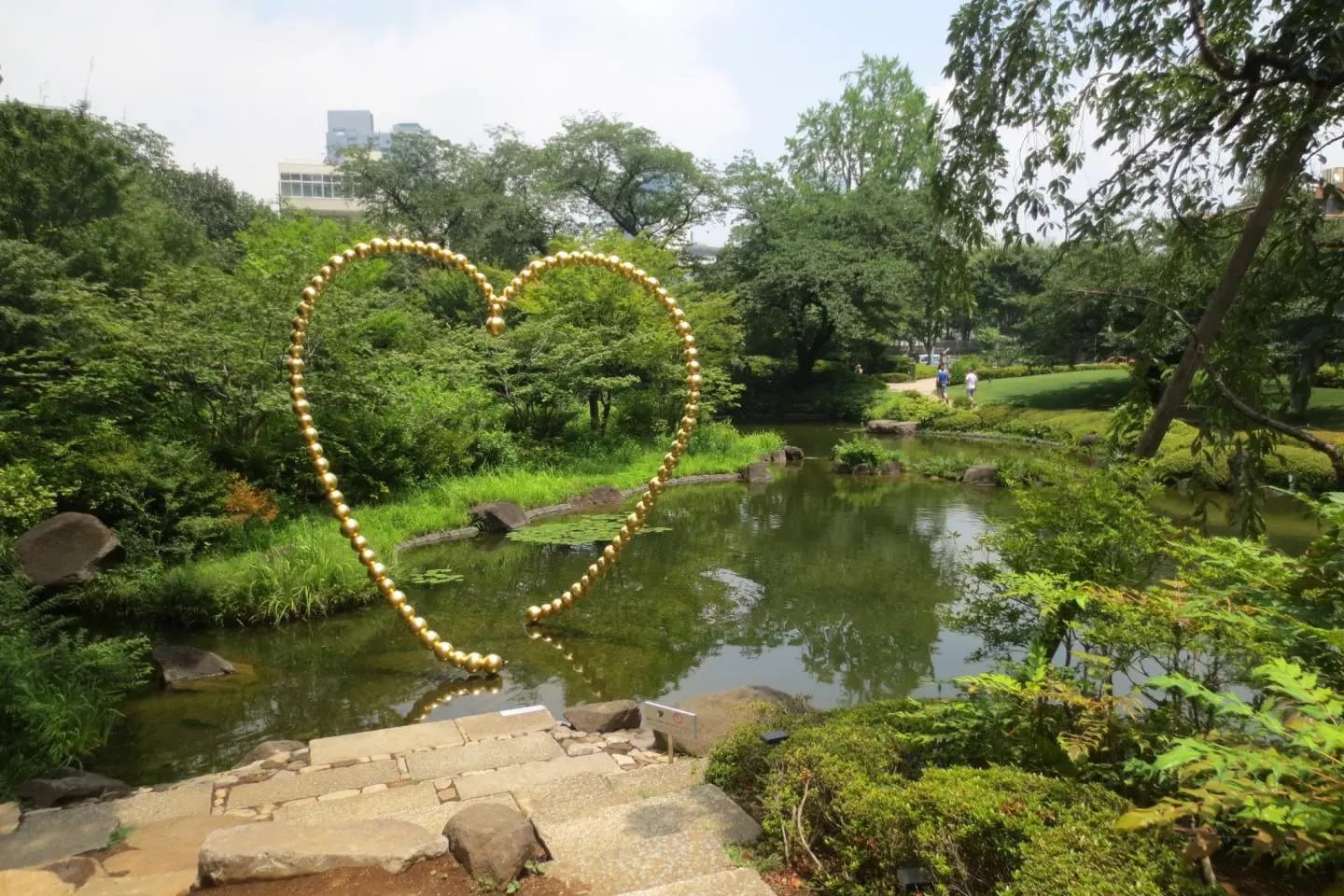
Mohri Garden, next to Roppongi Hills, is a Japanese garden that preserves the remains of an Edo-period daimyo residence. The garden has a pond, a waterfall, cherry trees and maples, with pleasant scenery in every season, a tranquil oasis in the city.
It is not only a good place to rest but also a filming location for many Japanese dramas and films. The “heart-shaped” art installation in the garden is a popular photo spot that draws many couples. At night, the garden looks even more romantic in the lights.
Roppongi Keyakizaka Street: Where Fashion Meets Romance
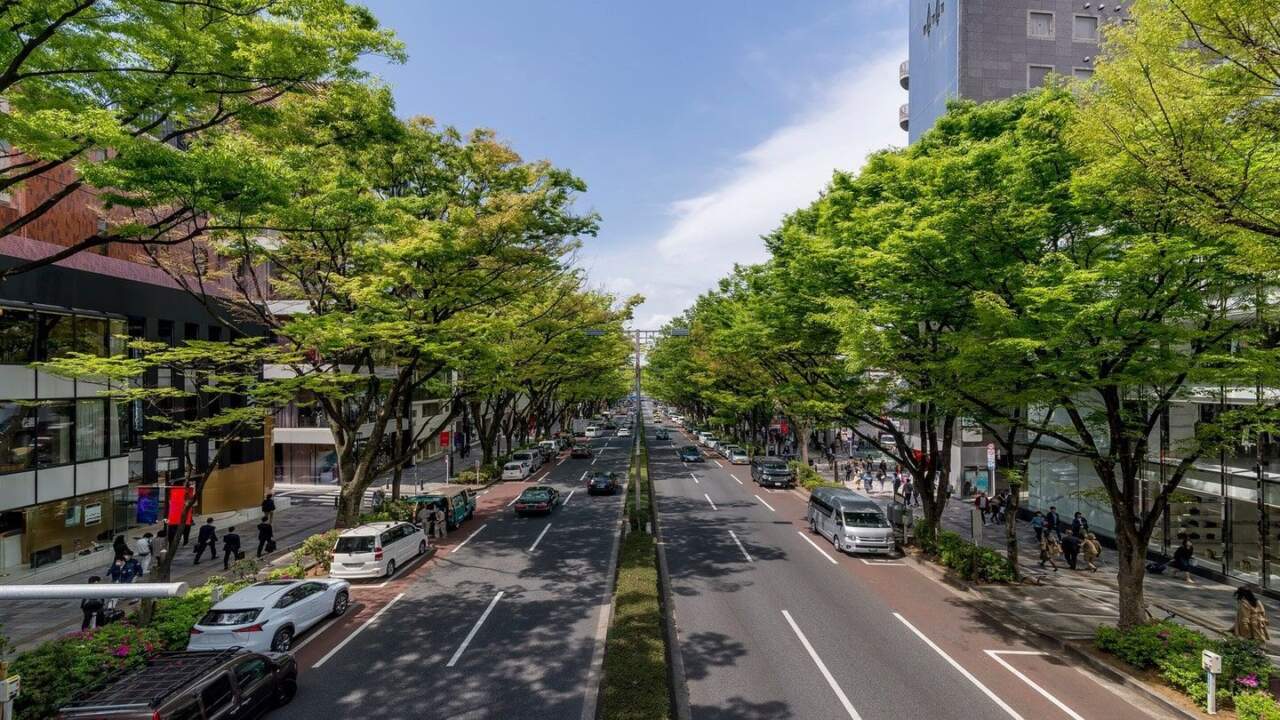
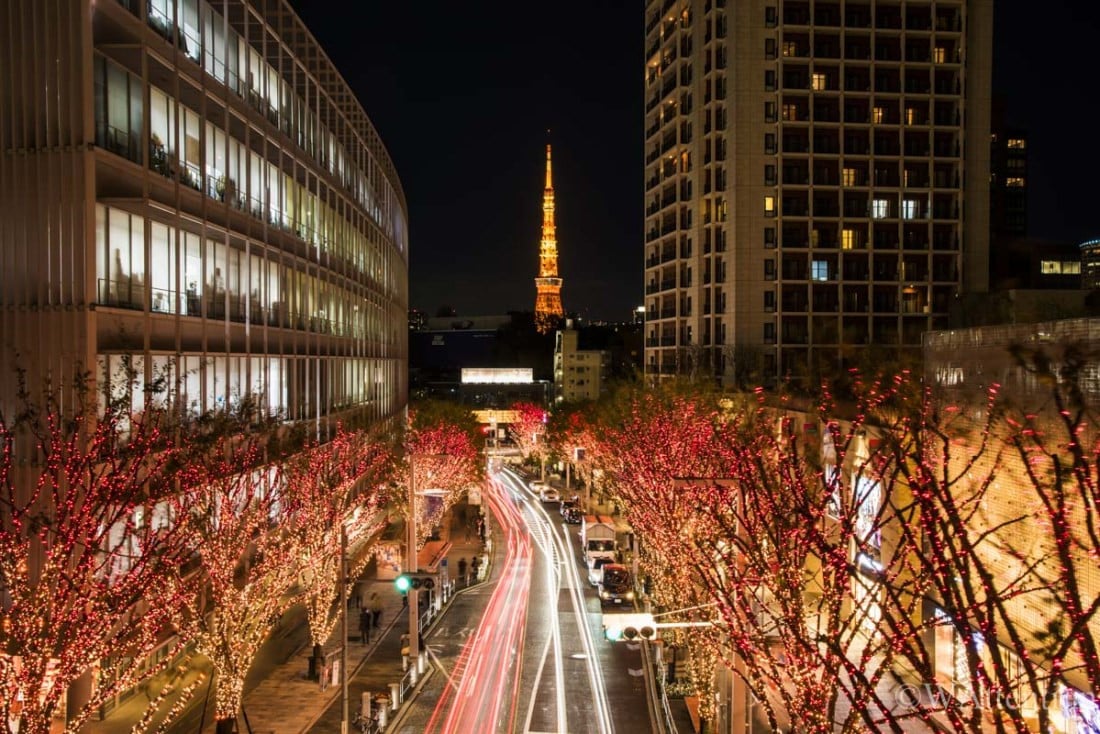
Roppongi Keyakizaka Street is a fashionable street linking Roppongi Hills and Azabu-Juban, lined with international boutiques and distinctive cafes. It is not only a shopping paradise but also an excellent spot for views of Tokyo Tower.
Every winter, Keyakizaka Street holds a grand Christmas illumination event in which hundreds of thousands of LED lights dress the whole street like a dream, shining together with Tokyo Tower in the distance, creating an utterly romantic atmosphere that makes countless visitors stop and stare.
Roppongi Christmas Lights: Roppongi Hills Christmas, Keyakizaka Illumination Period
Roppongi Hills’ Christmas event, “Roppongi Hills Christmas 2025,” ran from November 4 to December 25, 2025, with about 930,000 LED lights along the roughly 400-meter Keyakizaka Street, lit every day from 17:00 to 23:00. The 2026 dates and hours have yet to be announced by the organizers, so please check the Roppongi Hills official website before you go.
Roppongi Hills Observatory “Tokyo City View”: A 360-Degree Night View of Tokyo
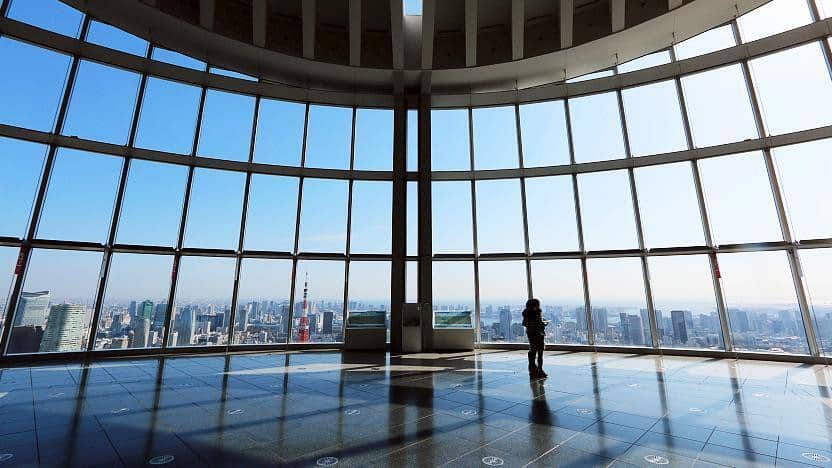
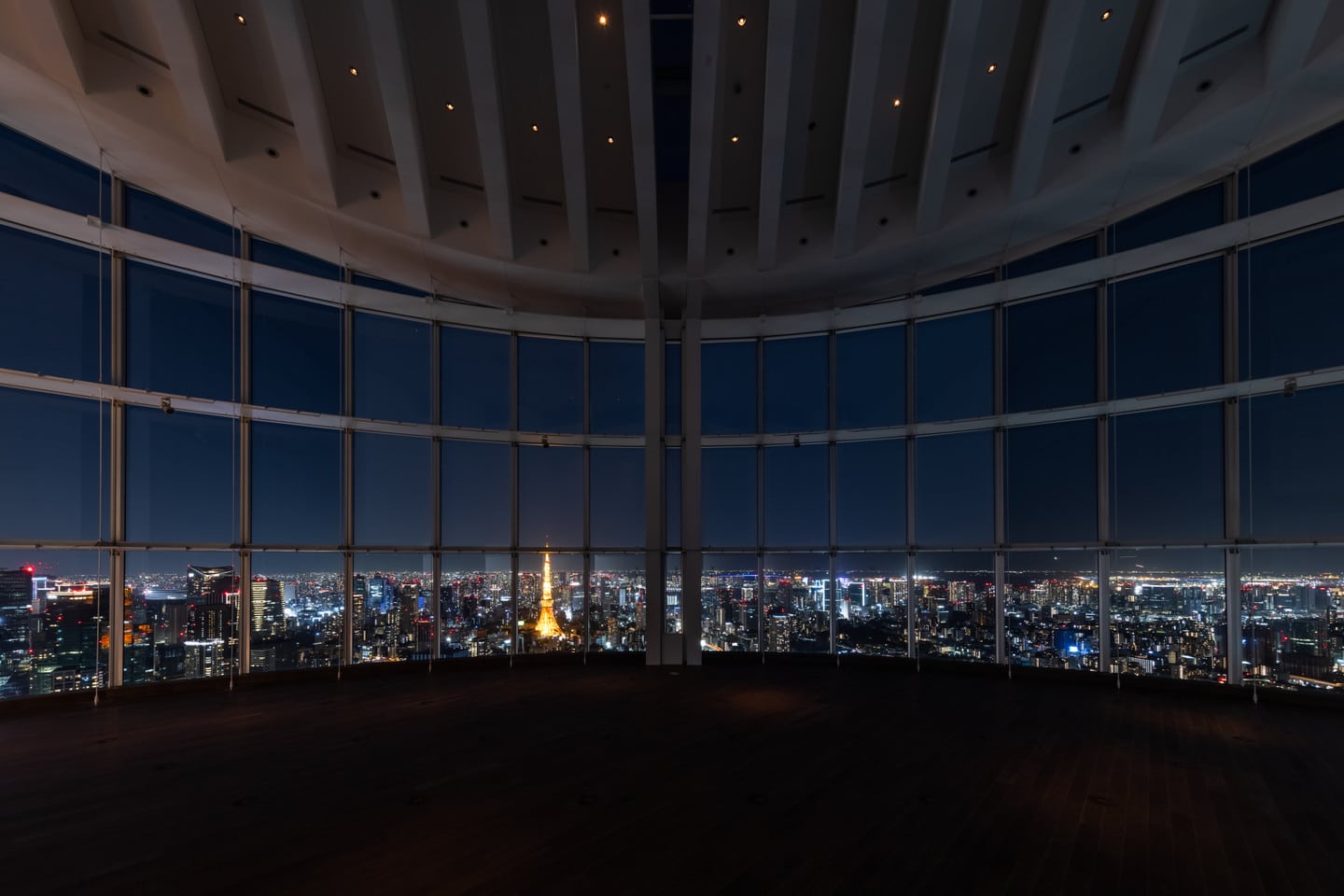
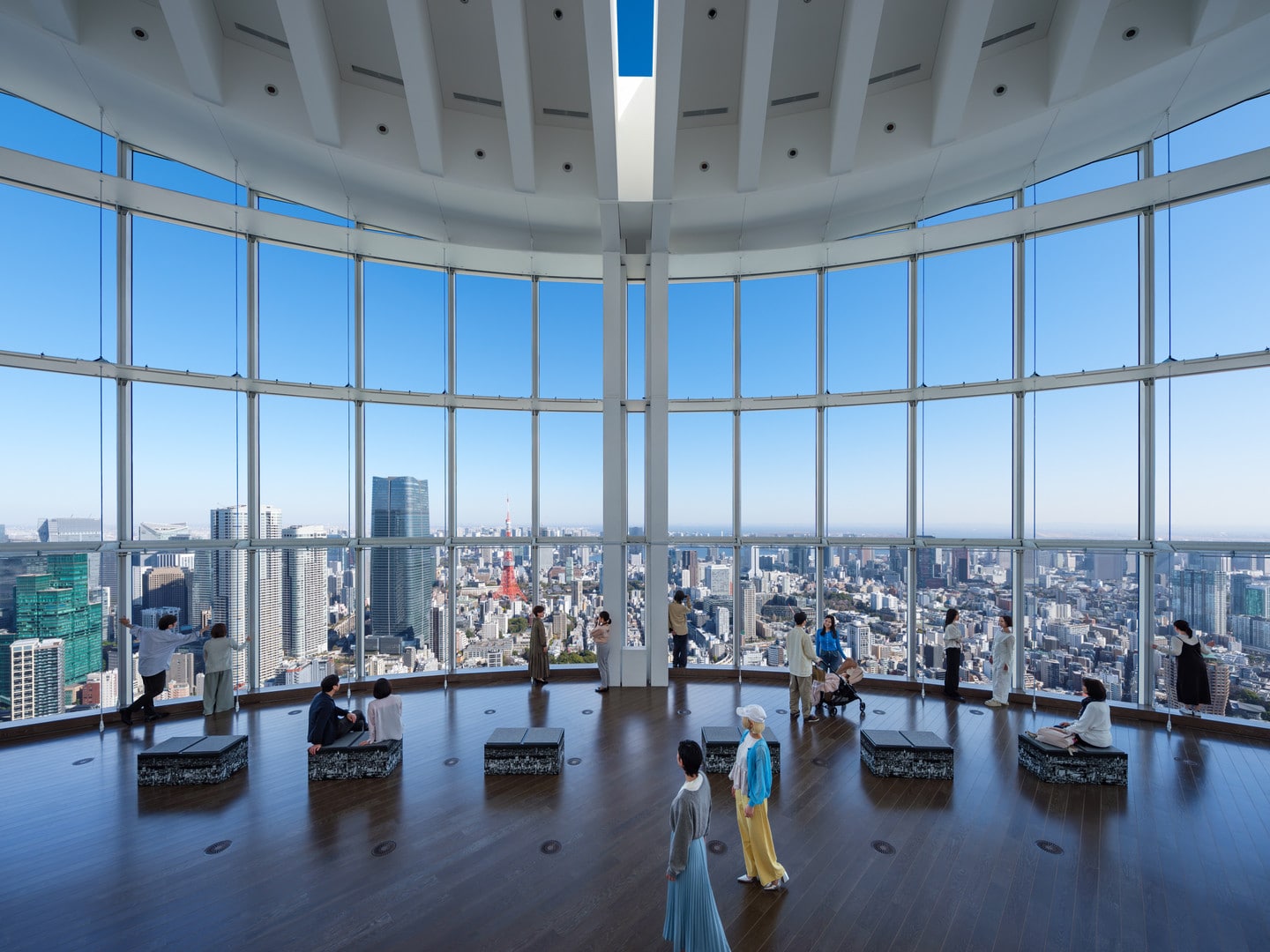
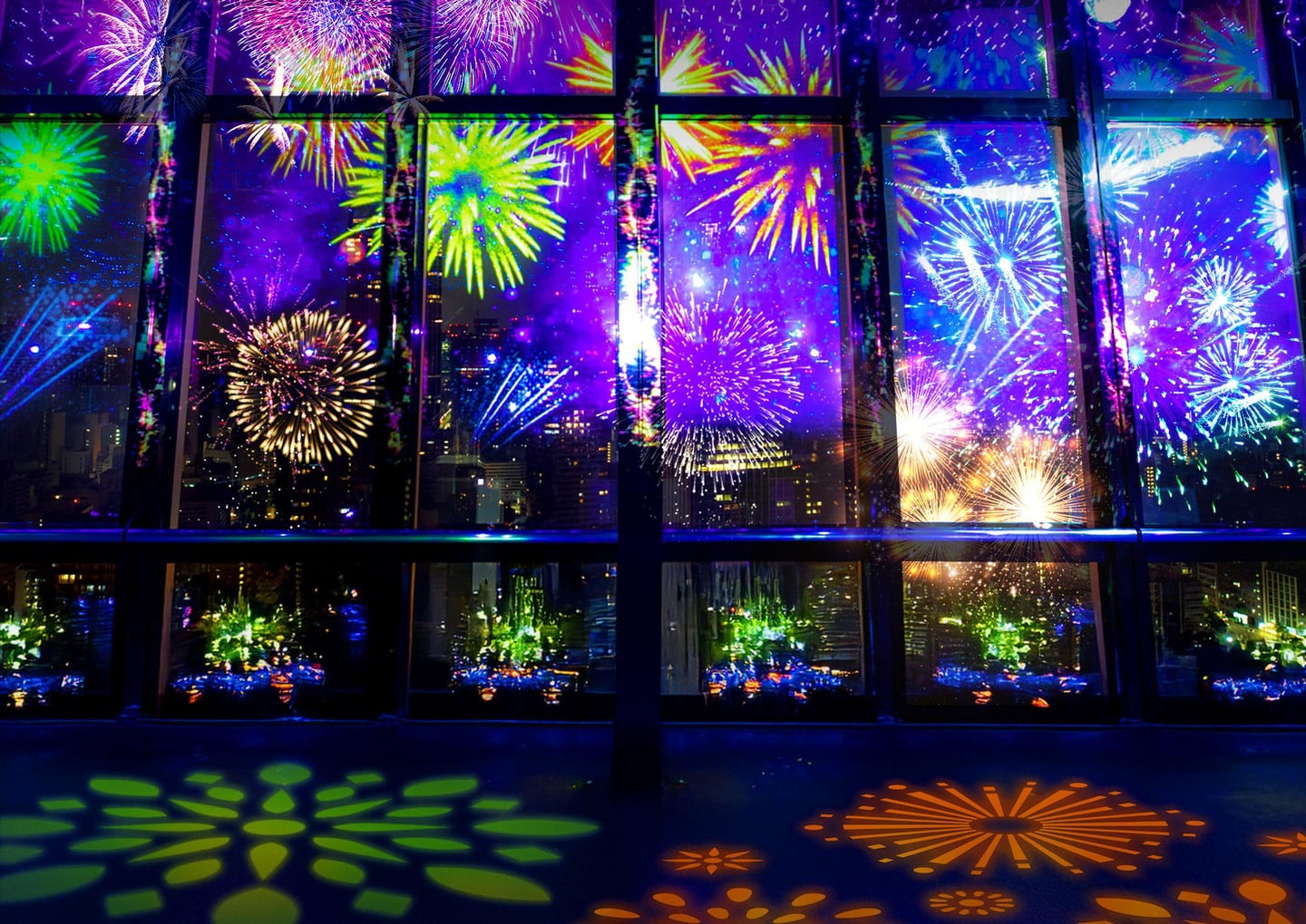
The Tokyo City View observation deck on the 52nd floor of Mori Tower offers a 360-degree, no-blind-spot view of Tokyo. Day or night, you can take in landmarks such as Tokyo Tower, Tokyo Skytree and Mount Fuji.
Whether the rooftop Sky Deck open-air observation deck is open, and its price, are subject to official announcements; for itinerary planning, we suggest focusing on the indoor 360-degree panoramic view.
Azabudai Hills: A New Urban Landmark
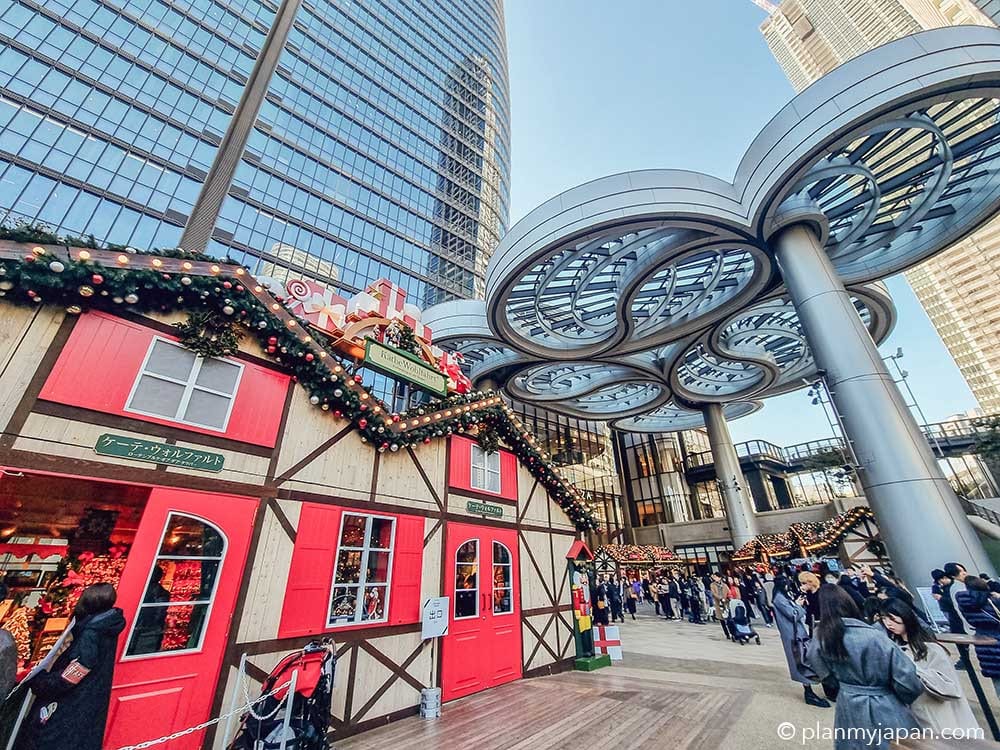
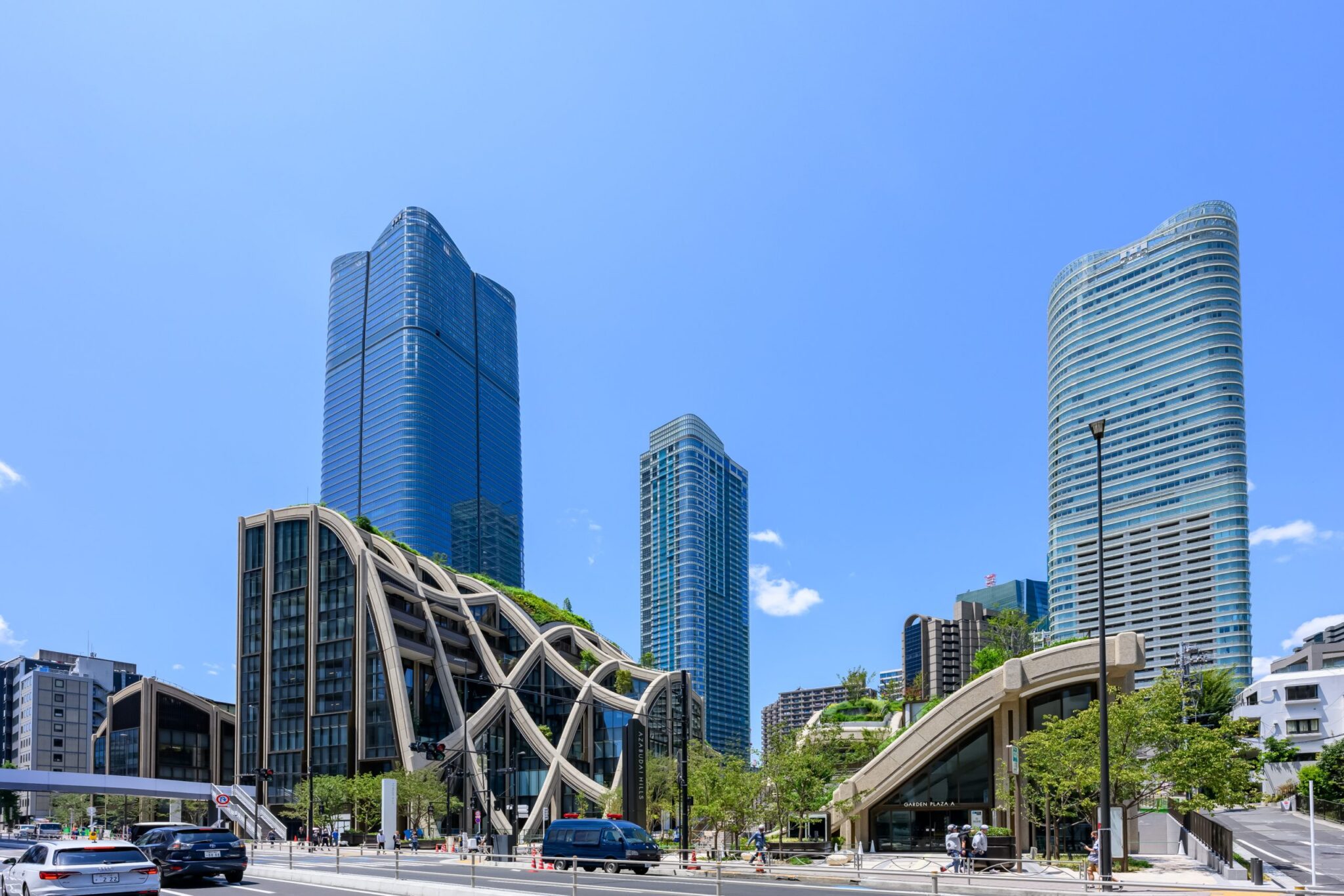
Azabudai Hills is the newest large complex in the Roppongi area, opened in 2023. It set a new record for Japan’s tallest skyscraper and combines commerce, residences, culture and green space, becoming a new landmark of Tokyo.
It offers not only high-end shopping and dining but also the teamLab Borderless digital art museum, injecting new vitality into Roppongi’s art scene. Its distinctive architecture and rich facilities make it an unmissable new attraction in Roppongi.
Nearby Food
Roppongi is a food paradise in Tokyo, with everything from Michelin-starred restaurants to hidden izakaya, and from refined French cuisine to authentic Japanese yakiniku. The restaurants here offer top ingredients and superb cooking and also care about dining atmosphere and service quality, giving diners an unforgettable taste experience.
Whether you want fine dining, casual meals or a late-night eatery, Roppongi can meet your needs. Below are a few restaurants of different styles, so that between art and fashion you can also eat to your heart’s content.
Premium Yakiniku: KINTAN Yakiniku Roppongi
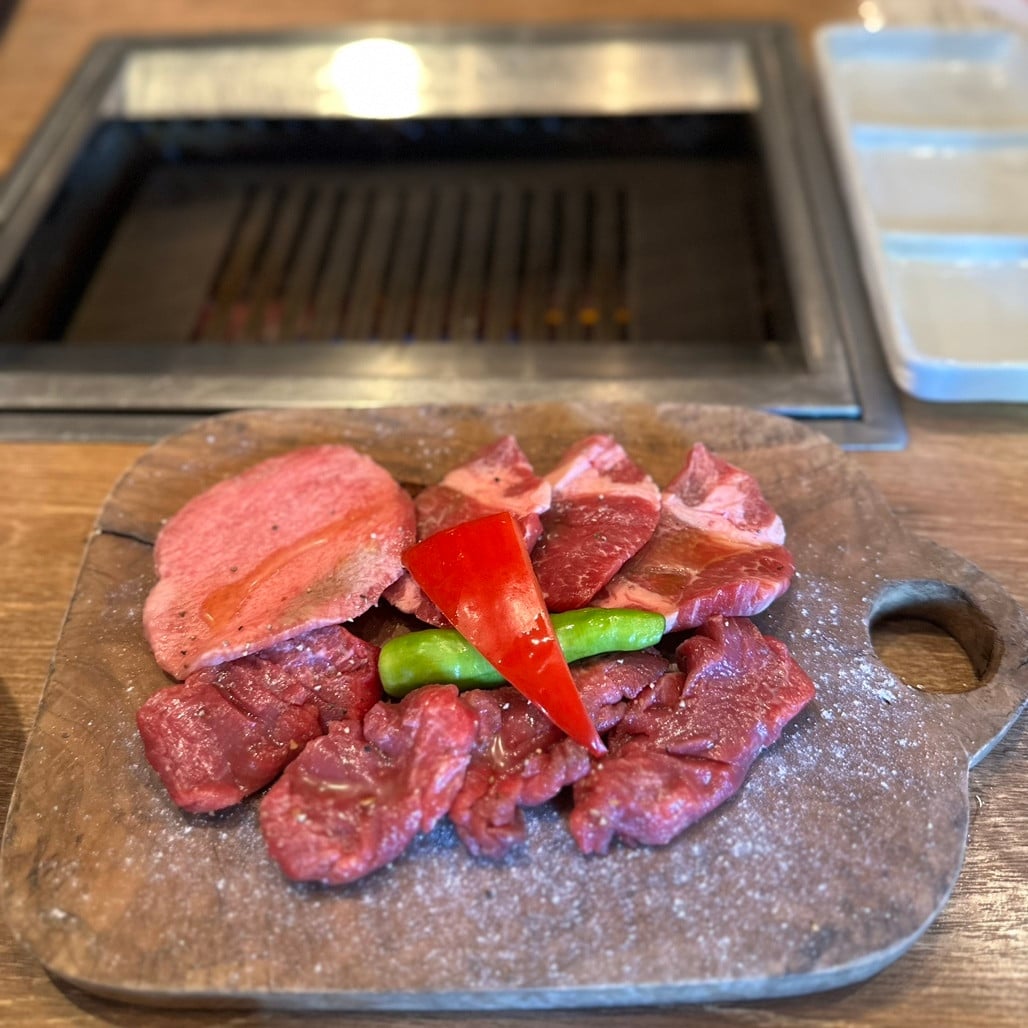
KINTAN Yakiniku is a well-known high-quality yakiniku restaurant in the Roppongi area with a stylish dining environment. It serves a variety of rare cuts of wagyu, with fresh, melt-in-the-mouth meat and a special sauce that pairs wonderfully. Besides a la carte items, there are various set menus, suited to date nights or dinners with friends. With modern decor and attentive service, it is an ideal place to experience top-class yakiniku in Tokyo, and booking ahead is recommended to avoid missing out.
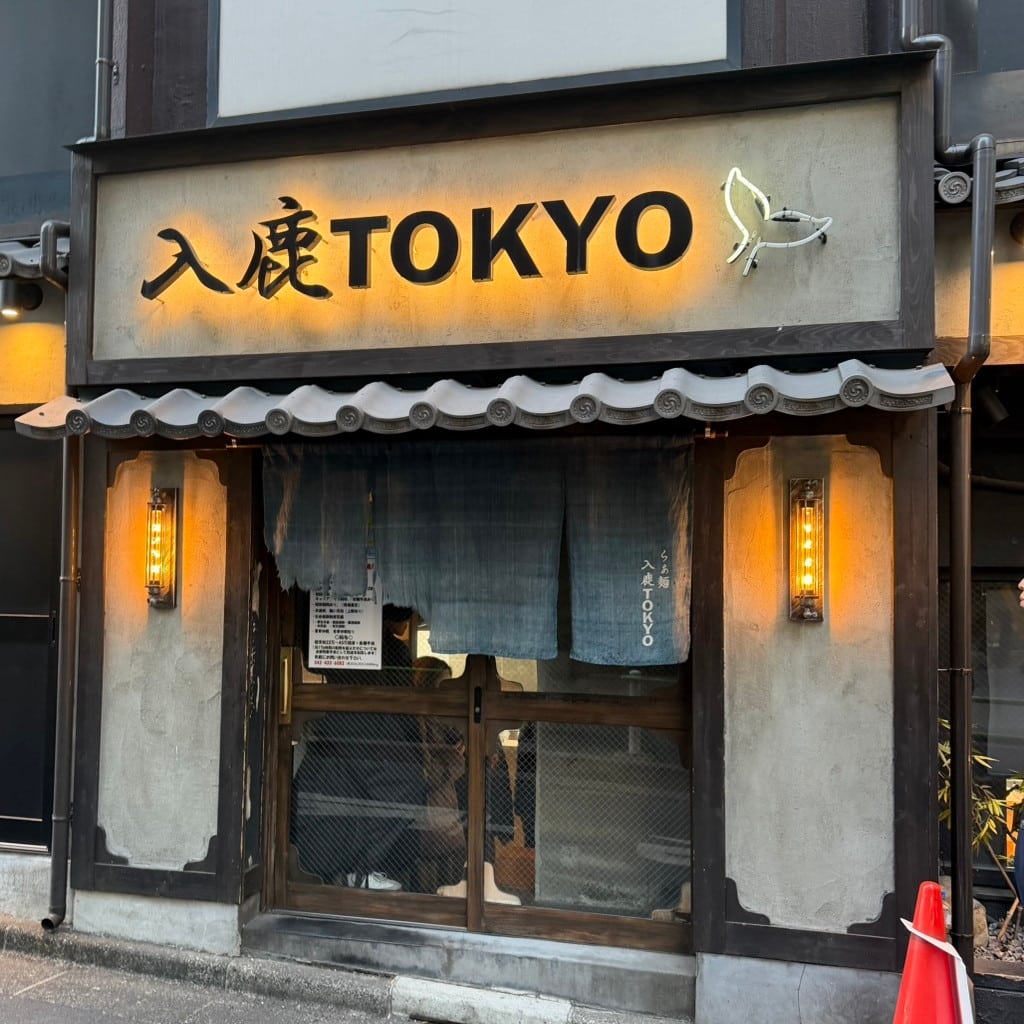
Michelin Ramen: Iruka TOKYO
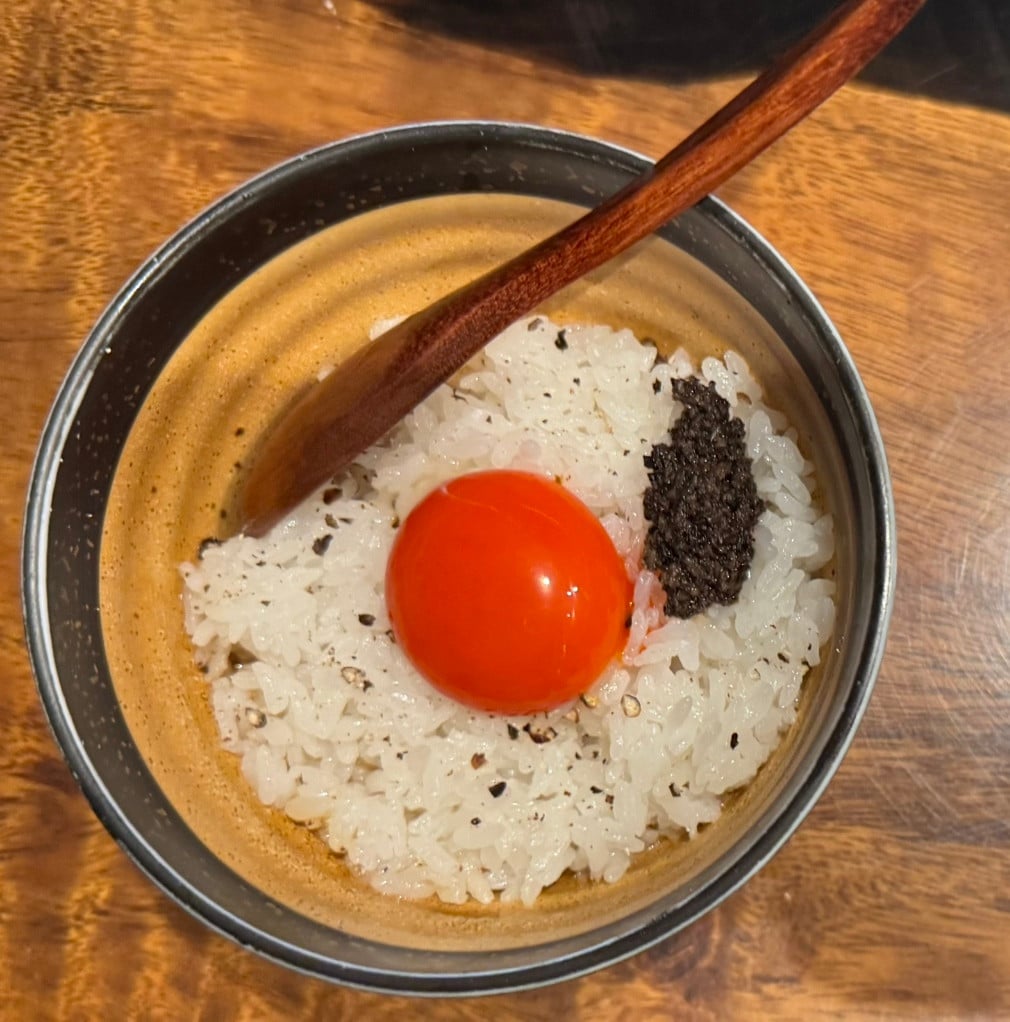
Iruka TOKYO (入鹿 TOKYO) is a ramen shop recommended in the Michelin Bib Gourmand, known for its distinctive “four-seafood shio ramen” and “special shoyu ramen.” The broth is rich, the noodles are springy and the toppings generous, with a surprise in every bite.
The shop’s specialty is blending the essence of many kinds of seafood into the broth, creating layered umami. The shop is not large, but the dining area is clean and comfortable, and it is loved by locals and visitors alike. If you are a ramen lover, do not miss it.
Japanese Izakaya: Gonpachi Nishi-Azabu
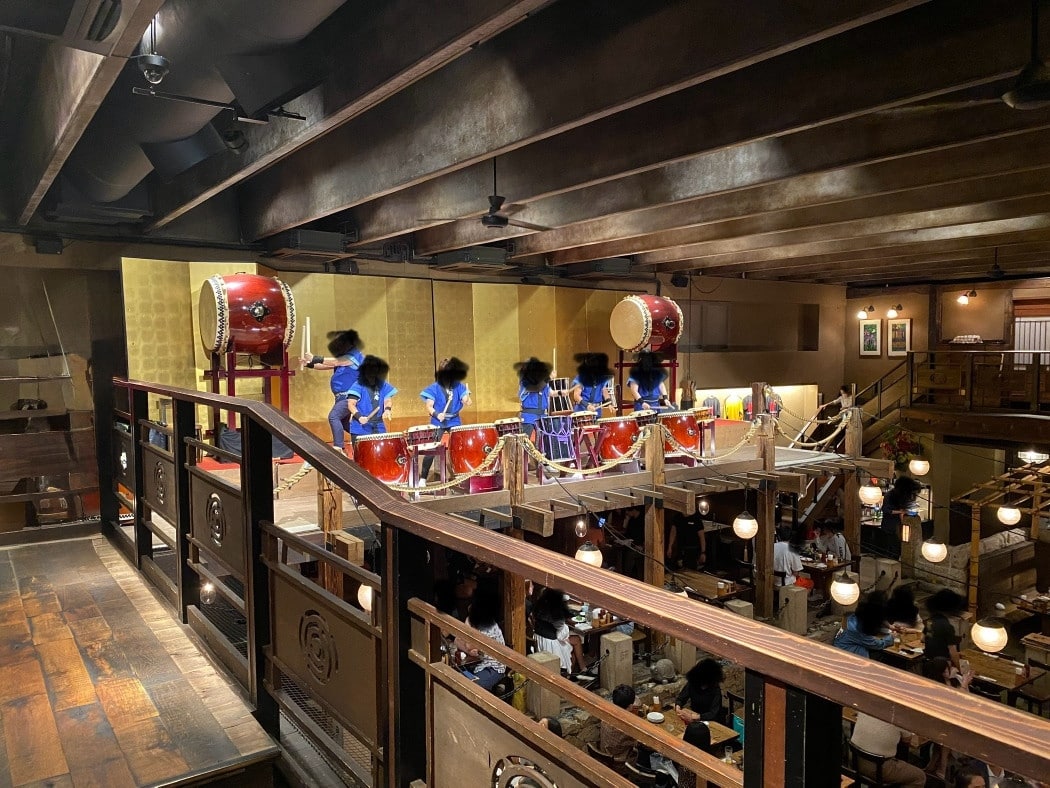
Gonpachi Nishi-Azabu (権八 西麻布) is an izakaya full of retro Japanese charm, once the inspiration for the film Kill Bill, drawing many film fans on pilgrimage, and serving authentic Japanese dishes such as yakitori, sushi and tempura.
The interior is decorated in Edo-period style with a lively atmosphere, making it an excellent place to experience authentic Japanese izakaya culture, and it serves a variety of sake and shochu, so you can feel Japanese warmth while enjoying the food.
French Cuisine: THE MOON
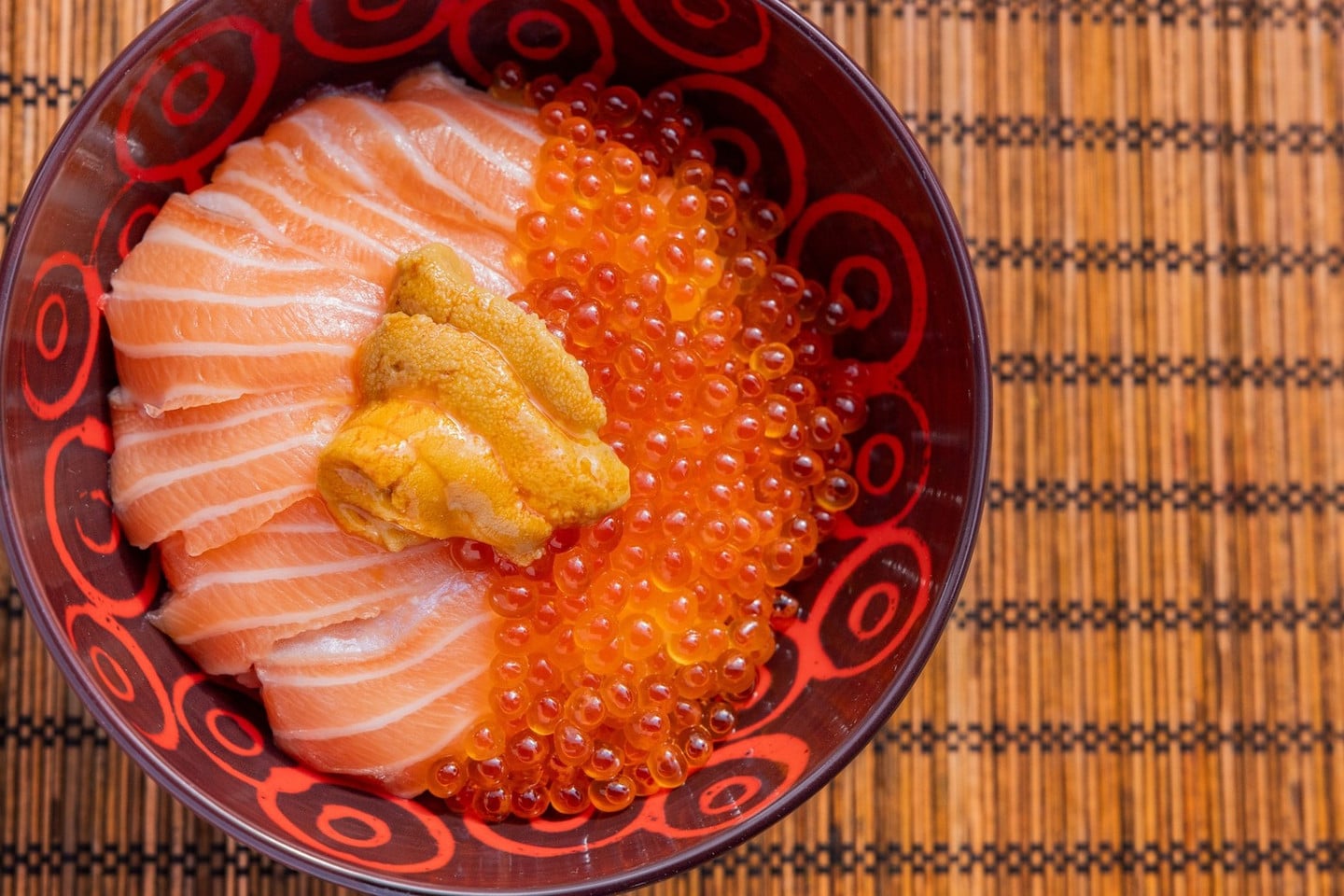
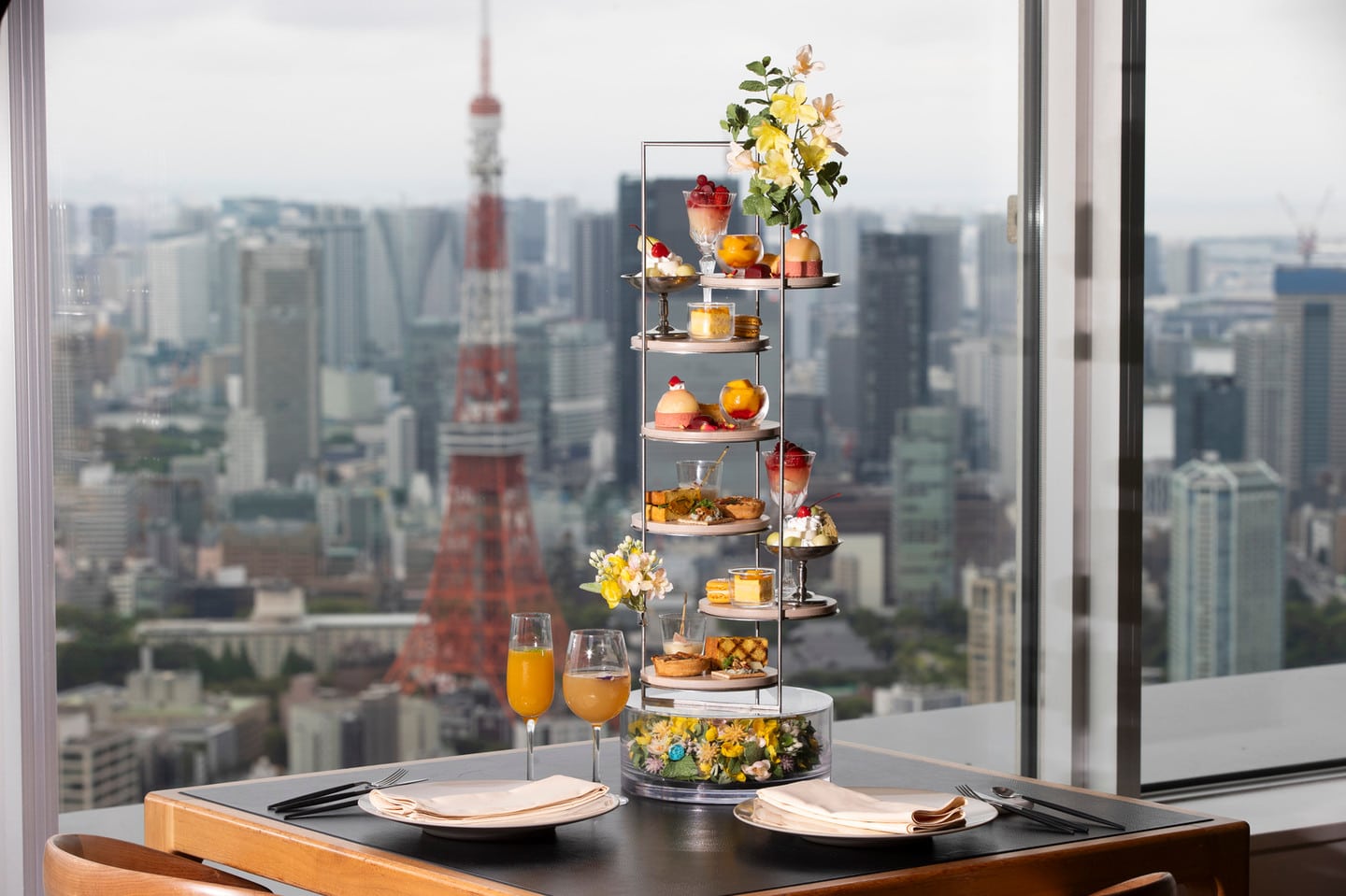
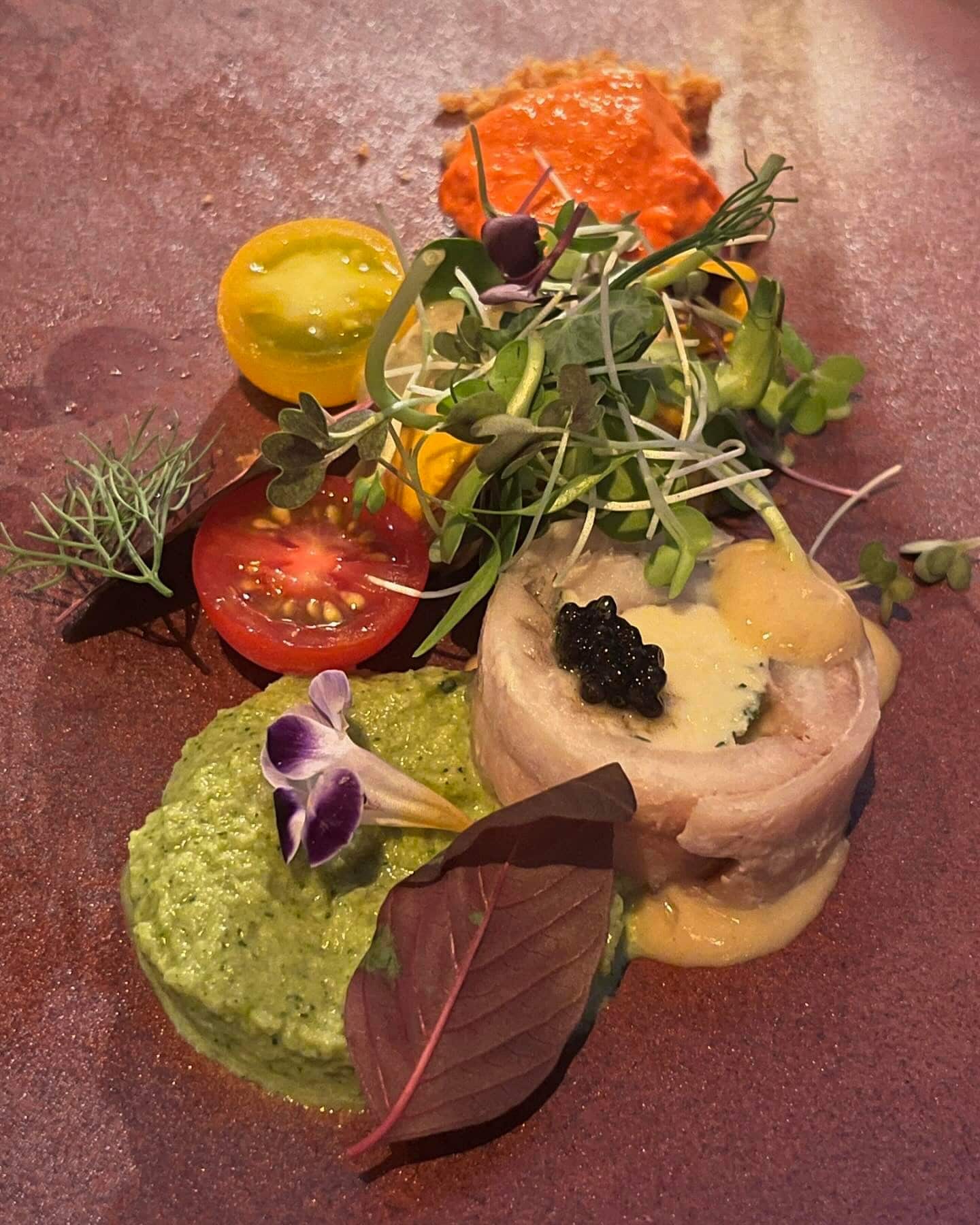
THE MOON is on the 52nd floor of Mori Tower in Roppongi Hills, near the Mori Art Museum, serving modern French cuisine with a view over Tokyo as you dine and a romantic night atmosphere. Lunch and cafe hours are 11:00 to 17:00 (last order 15:00), dinner starts at 18:00, and it stays open until 23:00 on Fridays and Saturdays and until 22:00 on other days. The menu changes with the season, using fresh ingredients to present dishes like works of art, and its unique dining experience and superb view make it the first choice for celebrating special occasions or romantic dates.
Tickets and Tours
To make your Roppongi trip smoother and richer, planning ahead and buying tickets and tours in advance is a wise choice. Many of Roppongi’s popular attractions, such as the observation deck and museums, offer online ticketing, which not only saves queuing time but sometimes comes with discounts.
In addition, if you have a deeper interest in Roppongi’s art or history and culture, joining a professional guided tour will give you a more in-depth experience. Below are the ticket details for Roppongi’s main attractions and recommended ways to tour.
Roppongi Hills Observatory “Tokyo City View” Tickets
The Roppongi Hills Observatory “Tokyo City View” is an excellent place to see Tokyo’s night view, with adult tickets at ¥2,200 when bought online in advance and ¥2,400 at the door, with discounted prices for students and children. The observatory is on the 52nd floor of Mori Tower and is open 10:00 to 22:00 (last entry 21:30).
We suggest booking in advance through platforms such as KKday or Klook. Whether the rooftop Sky Deck is open is subject to official announcements, and the indoor observation room offers a 360-degree panorama.

Mori Art Museum and National Art Center Combo Ticket
The Mori Art Museum and the National Art Center, Tokyo in the Roppongi Art Triangle often hold world-class special exhibitions. If you plan to visit several museums, watch for combo tickets or bundles, which are usually better value than buying separately.
How Mori Art Museum and Tokyo City View tickets can be combined varies by exhibition, and special exhibition tickets for the National Art Center, Tokyo must be bought separately. We suggest checking each museum’s official website in advance for the latest exhibition information and ticket prices.
![Roppongi Hills] 2026 Complete Guide: Observatory Tickets ¥2,000, Mori Art Museum, Access, Christmas Lights | Tokyo Attraction Recommendations](https://travel.williamlion.tw/wp-content/uploads/sites/7/2026/03/unnamed-file-292.jpg)
teamLab Borderless Digital Art Museum Tickets
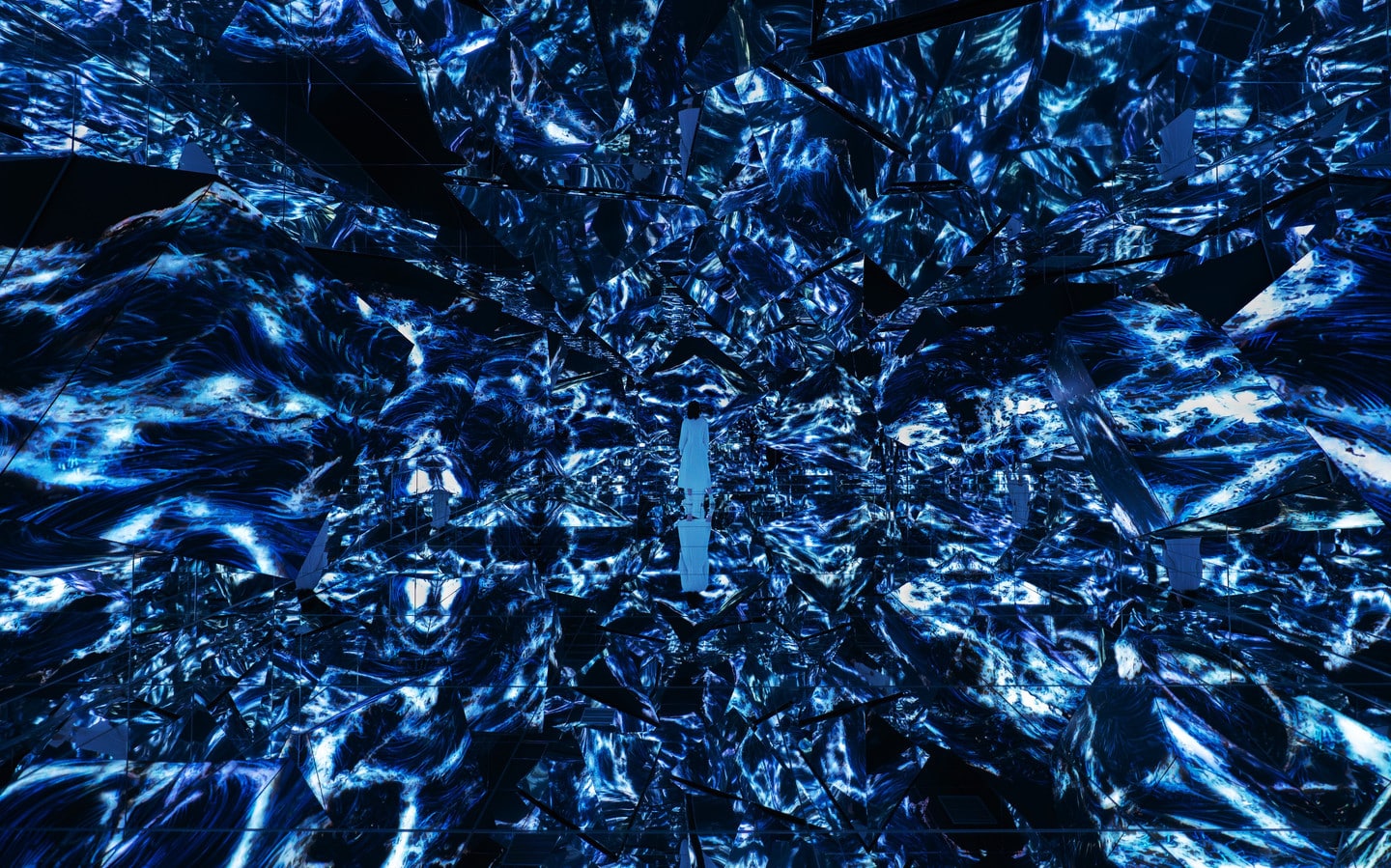
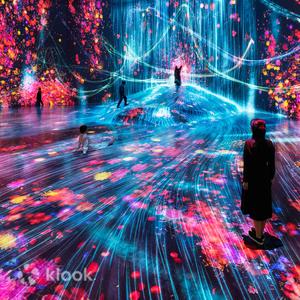
teamLab Borderless at Azabudai Hills is one of Tokyo’s most popular digital art experiences, and tickets are in high demand. Because of the limit on visitor numbers, we strongly recommend buying tickets weeks or even months ahead on the official website or a designated ticketing platform.
Tickets use floating pricing that varies by date and time slot, with adult (18 and over) tickets starting at about ¥3,600 to ¥3,800 and an extra ¥200 for tickets bought at the venue; actual amounts are subject to the official ticket page. It is an immersive, interactive art space, ideal for the whole family or friends to visit together, offering an unprecedented visual feast.
Roppongi Art Night: A Free Art Feast
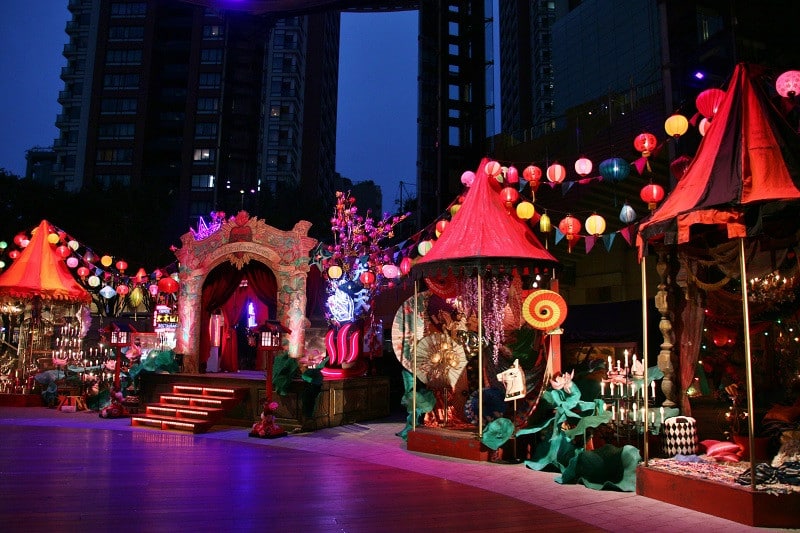
Roppongi Art Night 2026 runs from Saturday, October 31 to Sunday, November 1, with the core hours from 17:00 on October 31 to 6:00 on November 1, returning as an all-night event for the first time in three years. During this period, facilities such as Roppongi Hills, Tokyo Midtown and the National Art Center, Tokyo extend their opening hours and hold various free art exhibitions, performances and installations.
Admission is free, though some programs and museum special exhibitions are paid; details are subject to official announcements.
Nearby Hotels
As an international district of Tokyo, Roppongi offers a wide range of accommodation, from top luxury hotels to comfortable business hotels. Staying in Roppongi lets you easily reach major art and cultural facilities and fashion shopping centers, and also experience its distinctive nightlife.
Below are a few hotels with excellent locations and good service quality, recommended by budget, to make your Roppongi trip more comfortable and convenient. Whether on business or on vacation, you can find the accommodation that suits you best.
High-End Roppongi Hotel Recommendation: The Ritz-Carlton, Tokyo
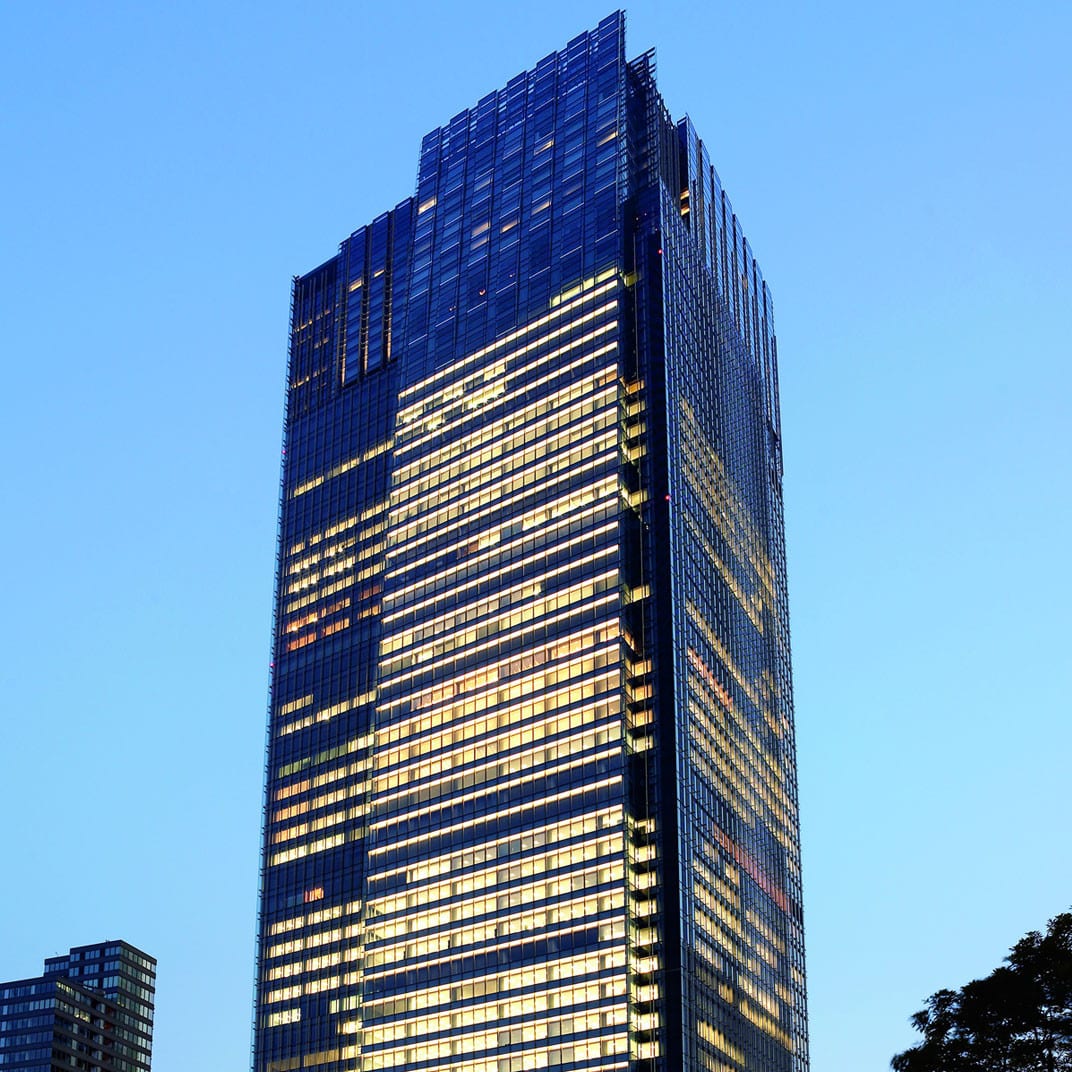
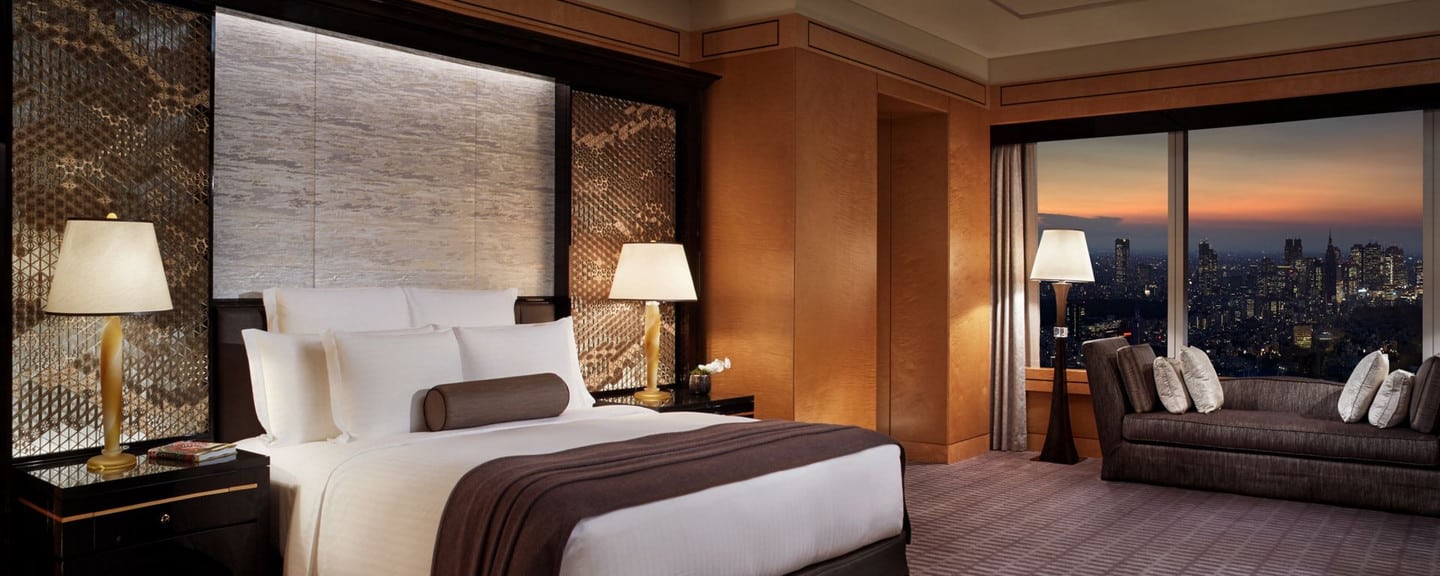
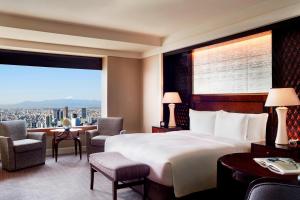
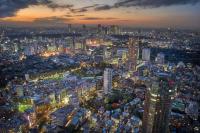
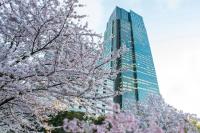
The Ritz-Carlton, Tokyo occupies the 45th to 53rd floors of the Tokyo Midtown tower, with the lobby and restaurants on the 45th floor and all 245 guest rooms on the 47th floor and above, overlooking a full panorama of central Tokyo. The rooms are elegant, the facilities top-class and the butler service outstanding, satisfying travelers with refined taste. The hotel gathers Michelin-starred restaurants, stylish bars, an indoor pool and a spa to help you relax. It connects directly to Tokyo Midtown for extremely convenient shopping and dining.

Upper-Mid-Range Roppongi Hotel Recommendation: Grand Hyatt Tokyo
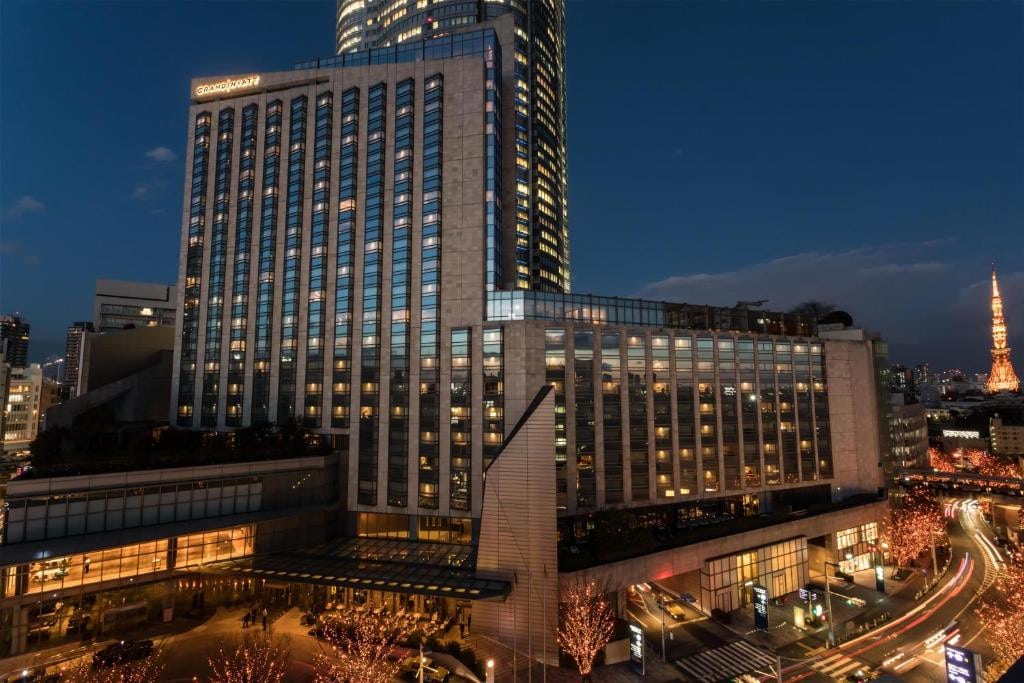
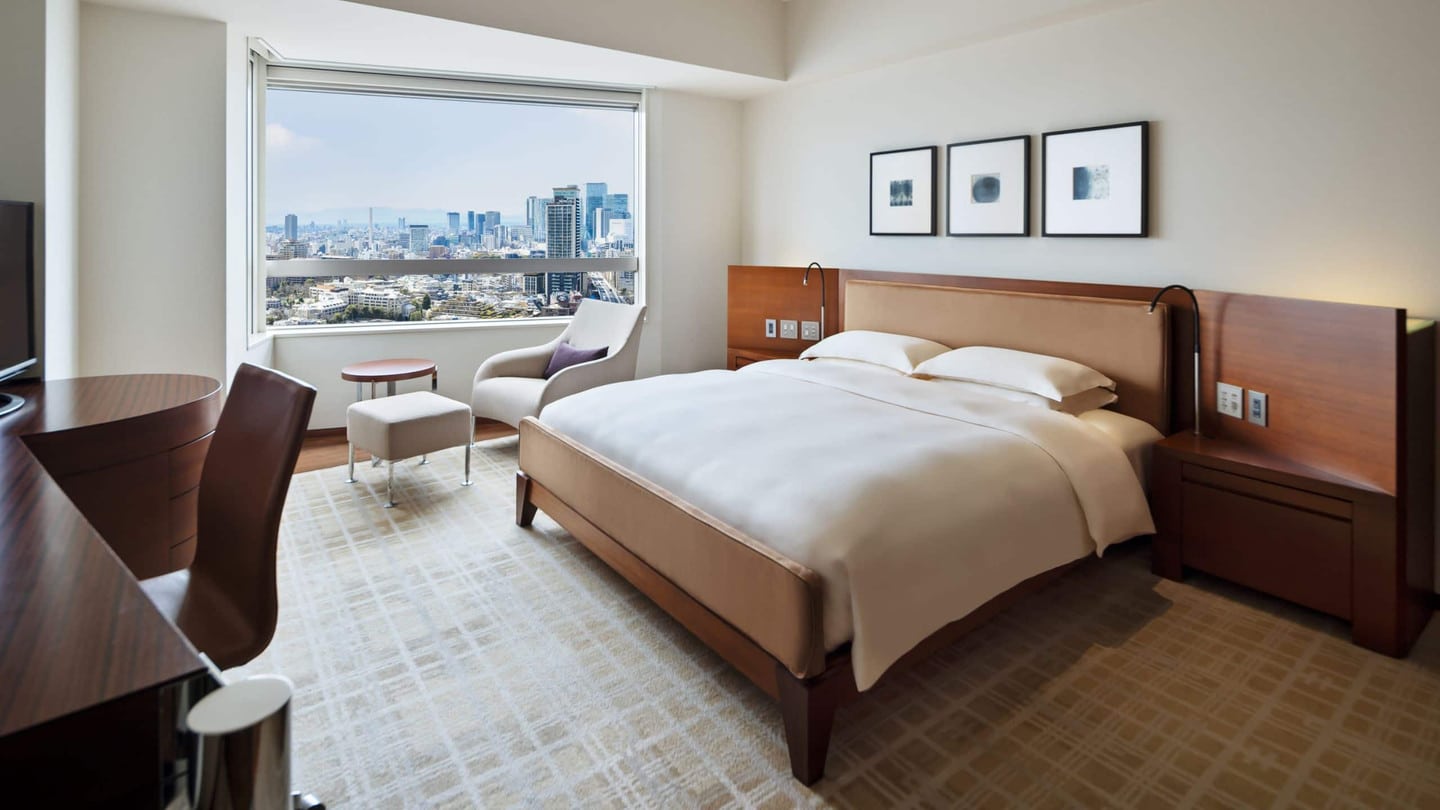
Grand Hyatt Tokyo, in Roppongi Hills, is a five-star hotel blending modern design with Japanese aesthetics. The rooms are spacious and comfortable, and some look straight out to Tokyo Tower, offering a top-level stay. The hotel has a dozen or so restaurants and bars, including Michelin-starred restaurants, to satisfy varied tastes. It also has a fitness center, an indoor pool and spa facilities, offering all-round service. Its excellent location makes it easy to reach the Mori Art Museum and Tokyo City View.
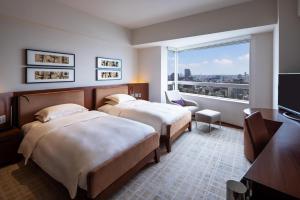
Mid-Range Roppongi Hotel Recommendation: Mitsui Garden Hotel Roppongi Tokyo Premier
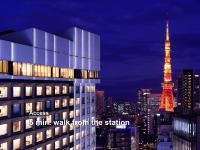
Mitsui Garden Hotel Roppongi Tokyo Premier is a mid-range hotel with a stylish design and good service, about a 5-minute walk from Roppongi Station. The rooms are simple and modern, fully equipped to offer a comfortable stay.
The rooftop has a restaurant and bar overlooking the cityscape, a good place for breakfast or a drink. Its excellent location and reasonable prices make it a popular choice for business and leisure travelers.
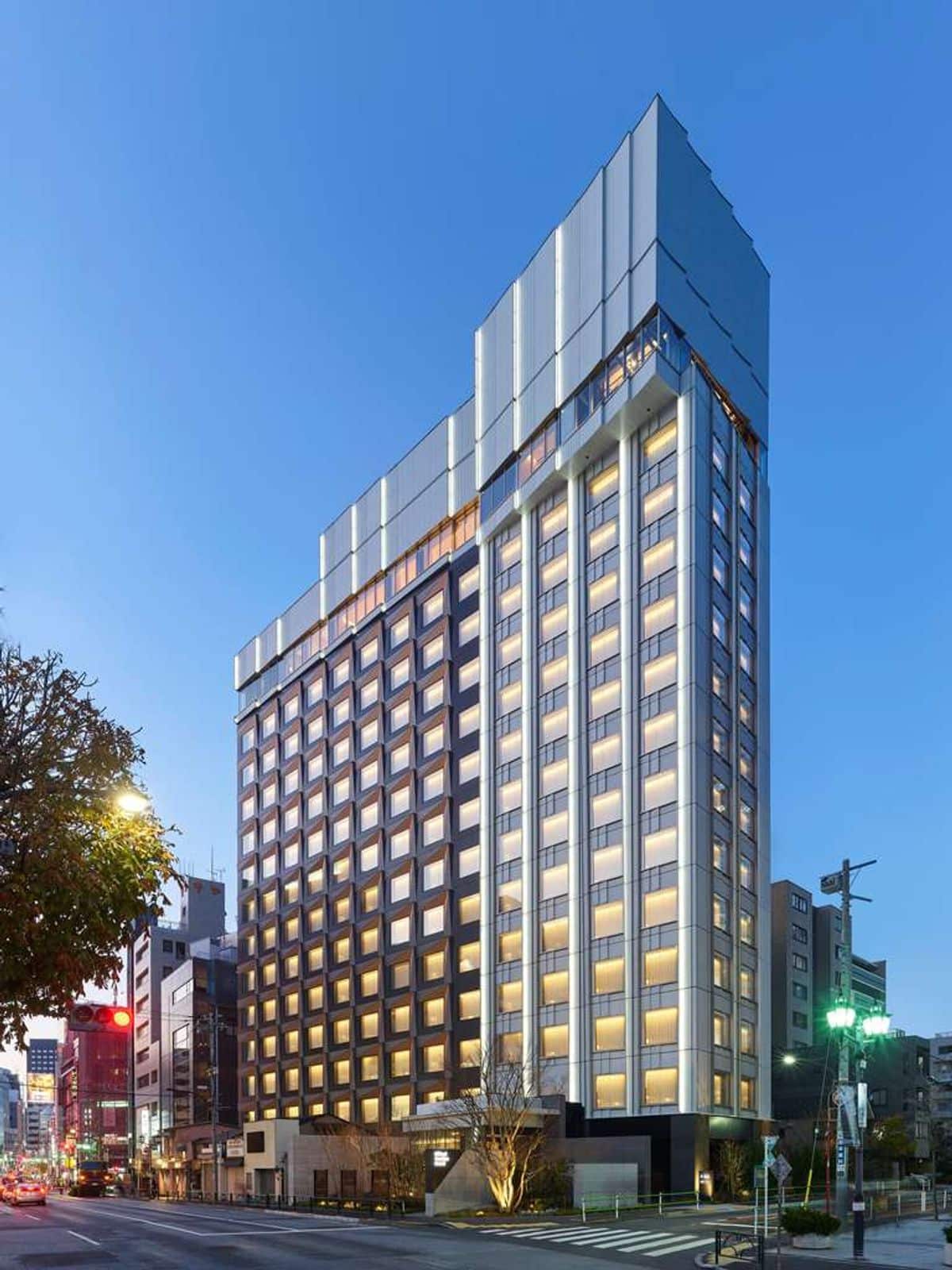
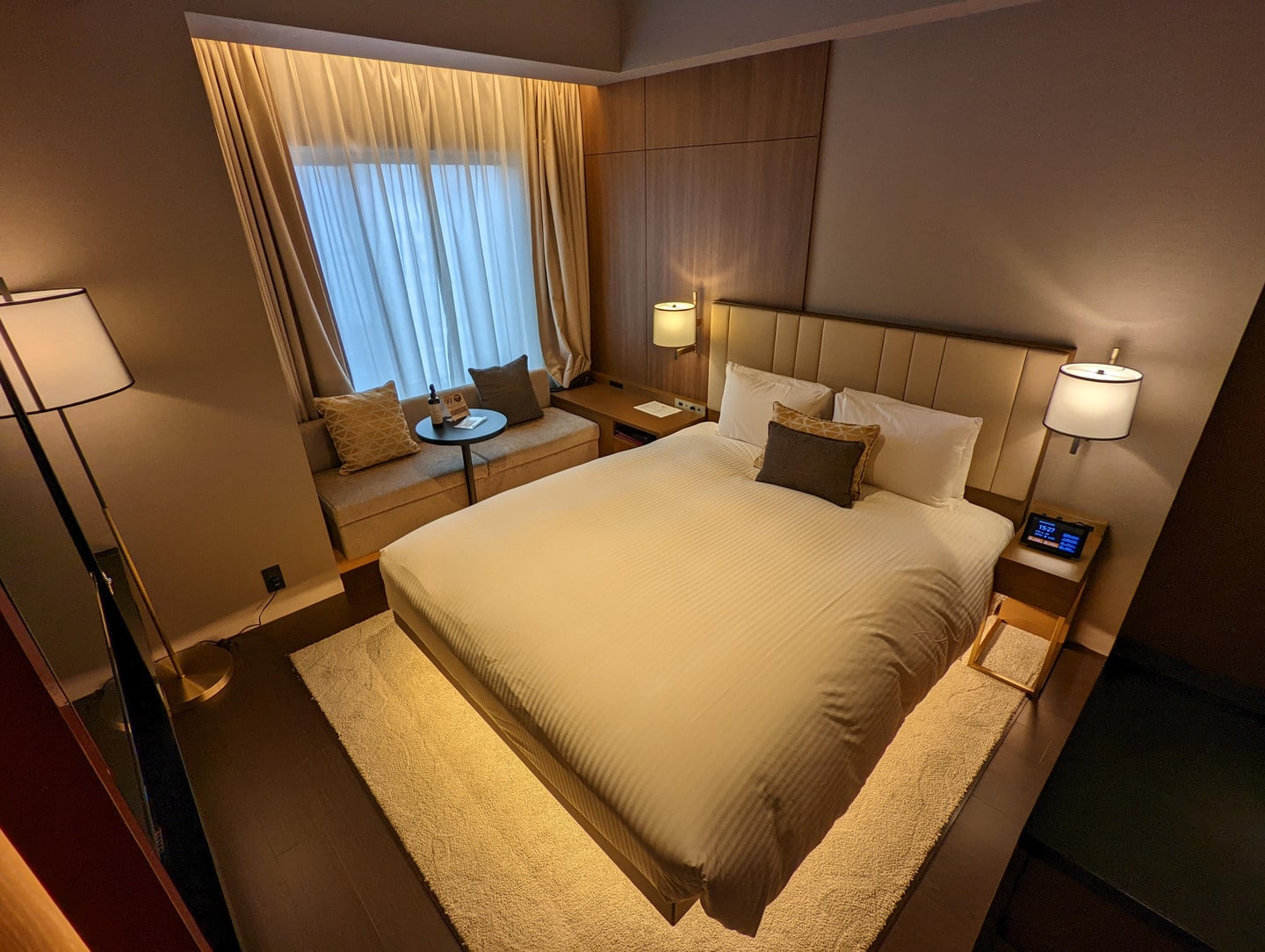
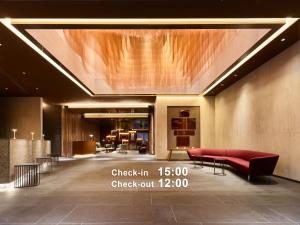


Budget Roppongi Hotel Recommendation: APA Hotel Roppongi-Eki Mae
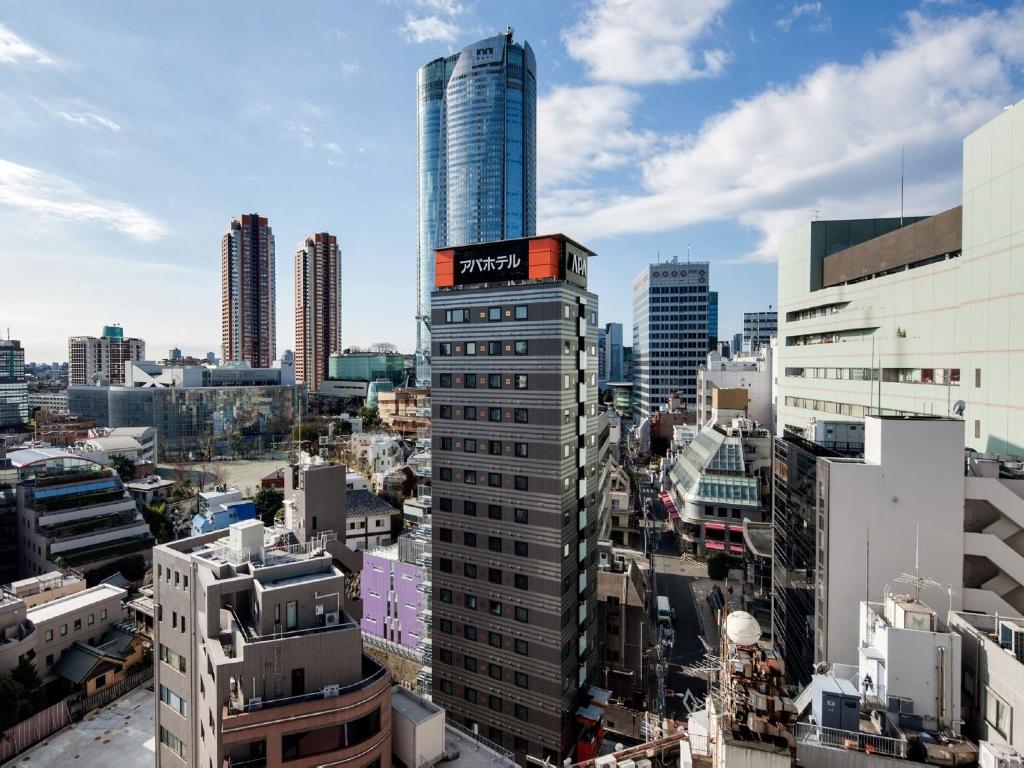
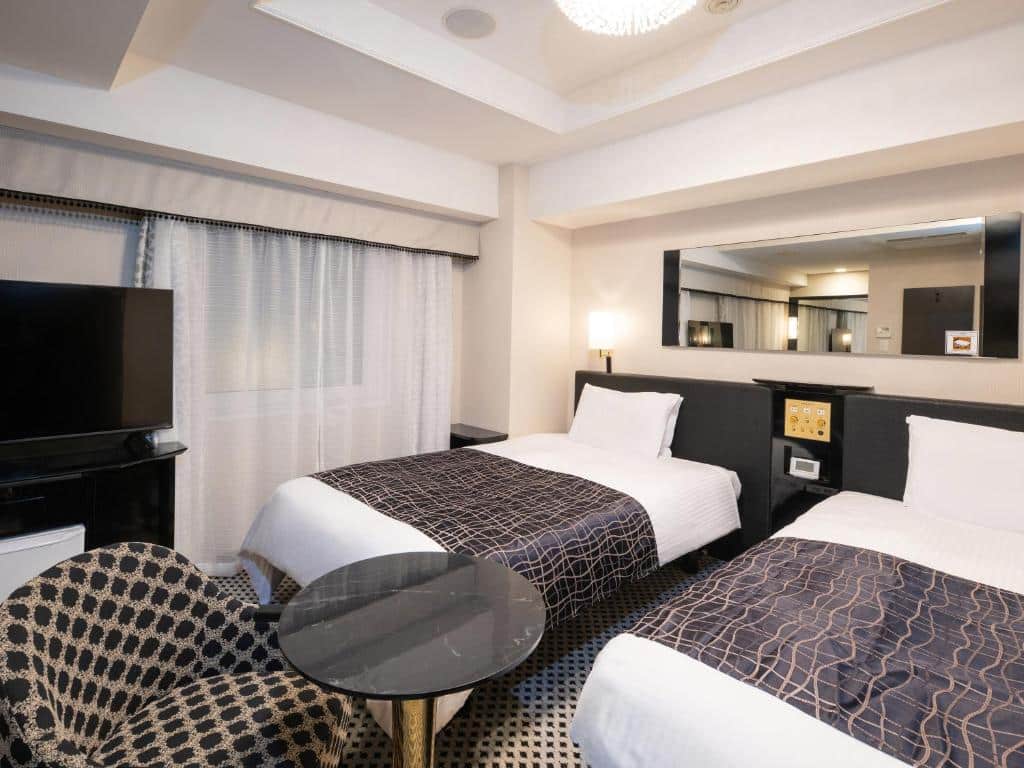
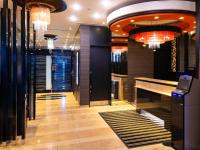
APA Hotel Roppongi-Eki Mae is a 1-minute walk from Roppongi Station and offers affordable accommodation. The rooms are small but clean and tidy, with full facilities, suited to travelers on a limited budget. The hotel has a restaurant and coin-operated laundry for basic needs.
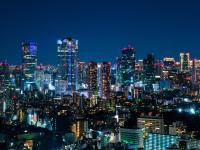
Its excellent location lets you easily tour Roppongi Hills and Tokyo Midtown and experience the dining and nightlife nearby, an ideal starting point for exploring Roppongi.

Airbnb Unique Stays: Roppongi Designer Apartments
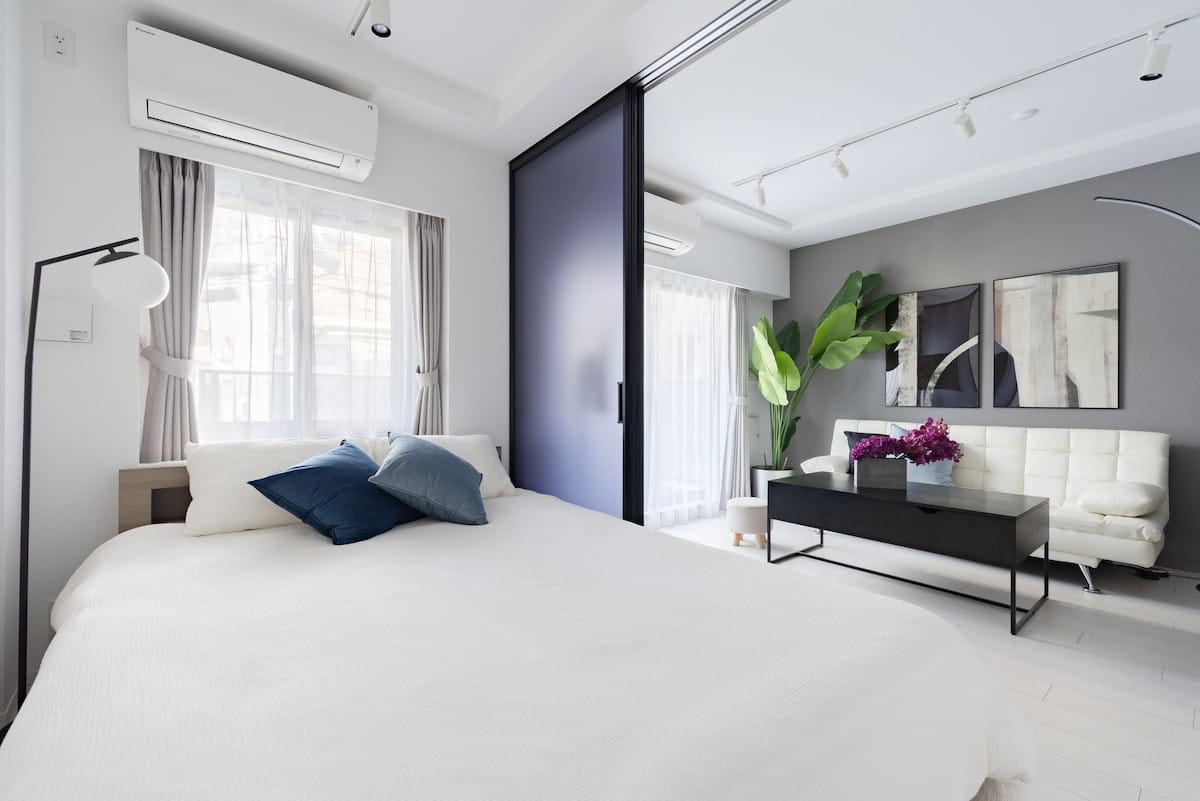
In Roppongi you can find many Airbnb apartments with unique designs and fine decor, offering a stay with more of a local-life feel. These apartments usually have a kitchen and laundry facilities, suited to families or long-term travelers.
Choosing an Airbnb lets you see the other side of Roppongi as an upscale residential area and feel the everyday atmosphere of local residents. Many apartments are near Roppongi Hills or Tokyo Midtown with convenient transport, and offer more spacious private space.
Is It Worth Visiting?
Roppongi, Tokyo is without doubt one of the most worthwhile districts to explore in Tokyo. It is not only where art, fashion and food come together but also a microcosm of Tokyo’s internationalism and multicultural charm. Whether you are an art lover, a shopaholic, a foodie or a traveler seeking nightlife thrills, Roppongi offers an experience richer than you could imagine.
From world-class museums to the magnificent night view from the sky-high observatory, and from Michelin-starred restaurants to lively izakaya, every corner of Roppongi is full of surprises. Its convenient transport and varied accommodation also make it an ideal base for Tokyo travel. In 2026, Roppongi will wait for your deeper exploration with an even richer face.