
2026 Kyoto Winter Travel Guide: Kyoto at Its Most Beautiful Under Snow
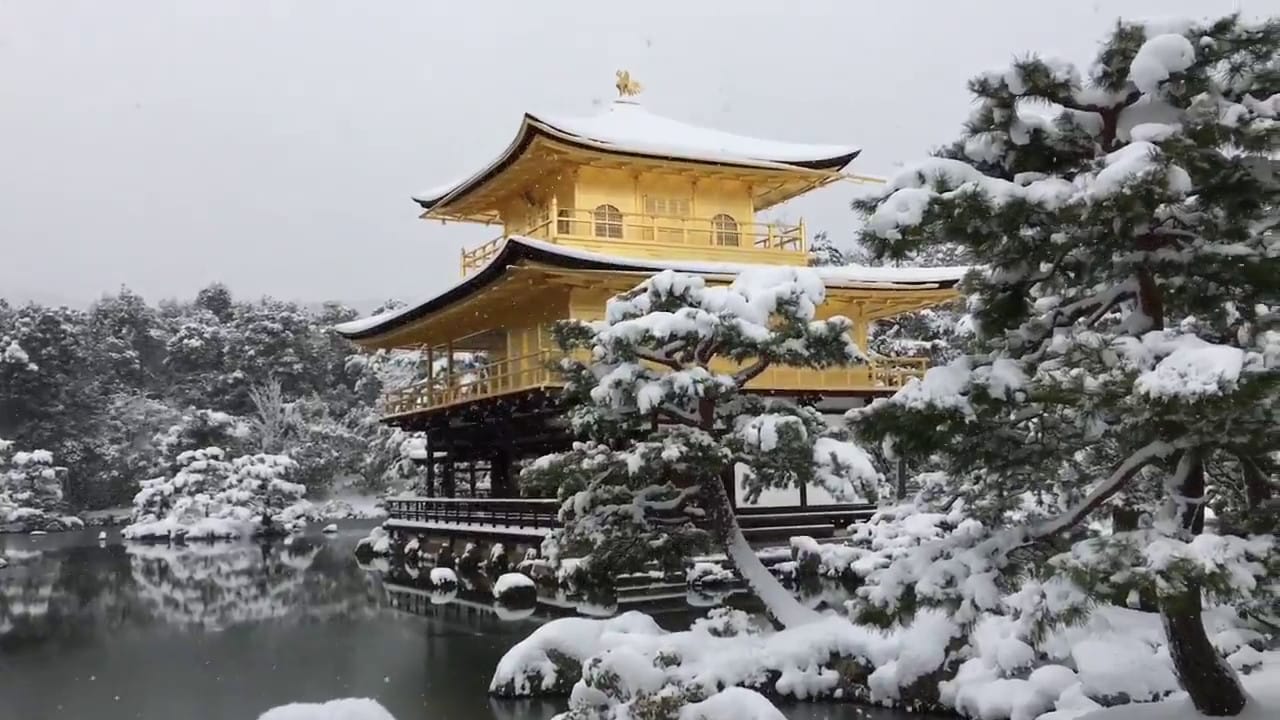
Kyoto winters are cold and dry, and late January to late February is the best time to see snow in the city, with the snowy views of Kinkaku-ji and Kiyomizu-dera among the finest.
Kinkaku-ji: The Mirror Pond Fantasy of White Snow and Gold Leaf
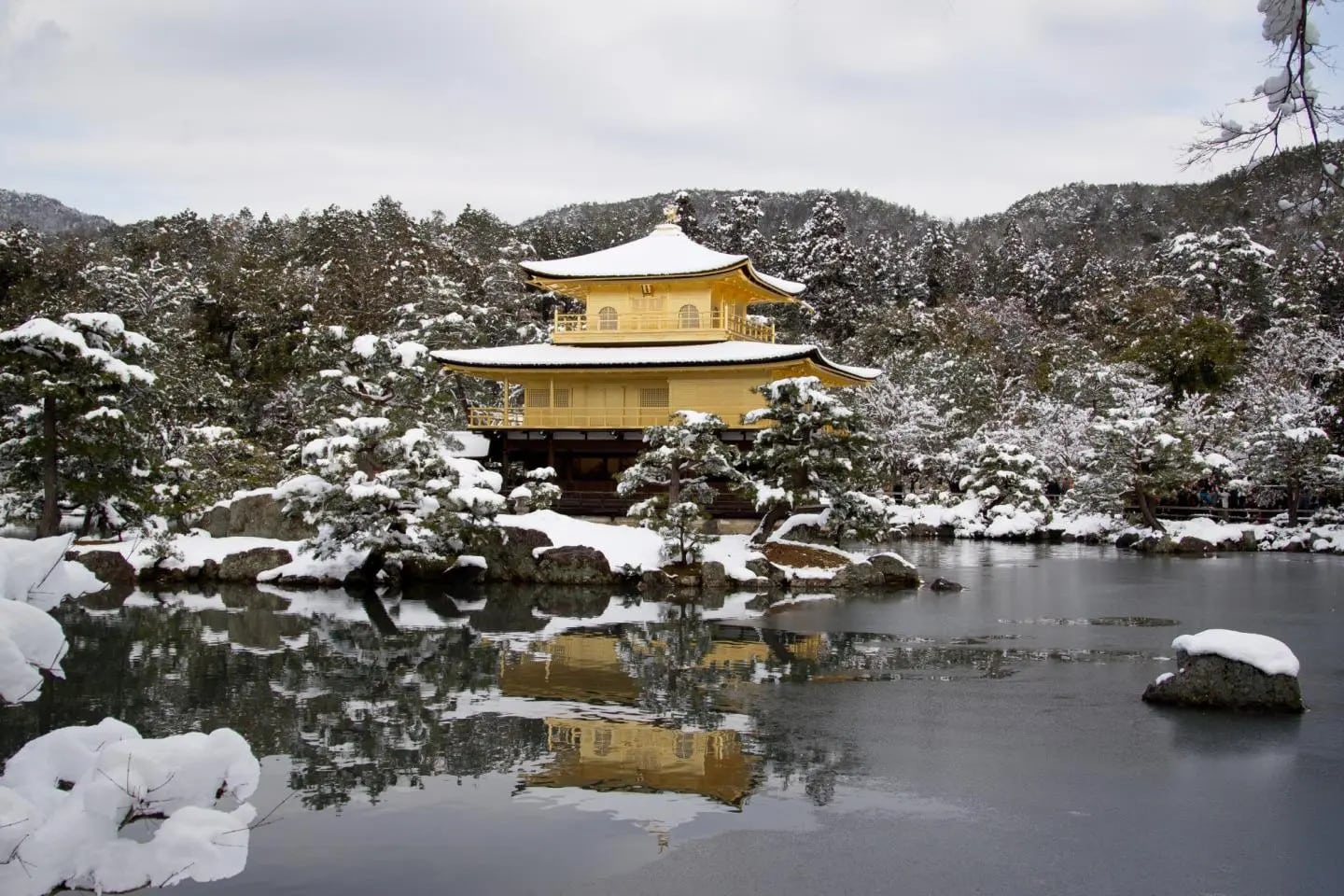
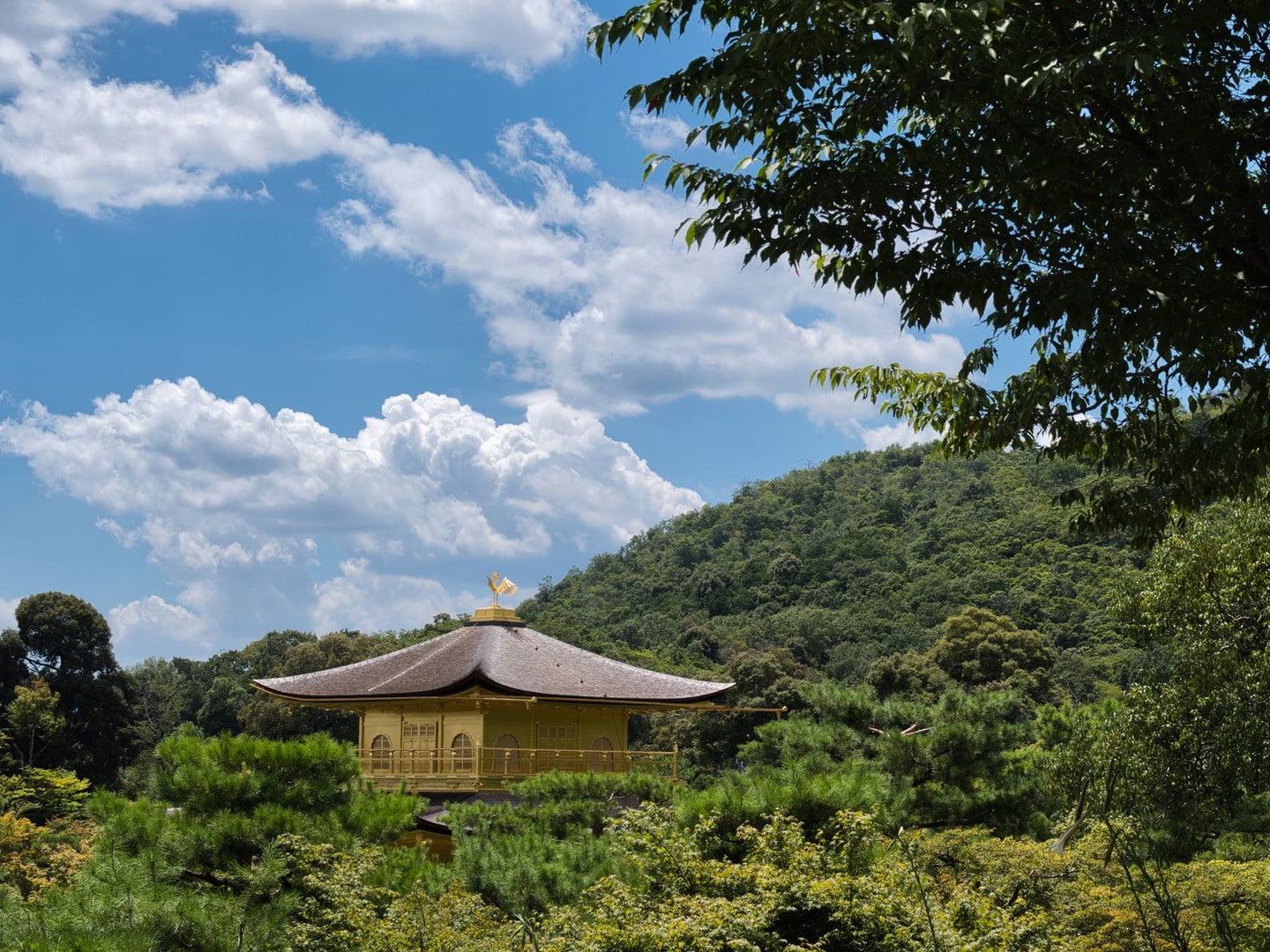
Kinkaku-ji (Rokuon-ji) was built in 1397, and the outer walls of its Shariden are covered in gold leaf, reflected in Kyoko-chi pond for a classic scene. When snow falls in winter, white snow blankets the roof and pine trees in sharp contrast with the golden walls, making it Kyoto’s most iconic dreamlike snow scene and a winter must-see. It is open daily 9:00-17:00, with admission of ¥500 for adults and ¥300 for elementary and junior high school students. We suggest entering as soon as it opens in the early morning, when the snow has not yet melted and tour groups have not arrived, so you can capture the purest shot. Address: 1 Kinkakuji-cho, Kita Ward, Kyoto.
![[Kyoto Highlights One-Day Tour] Kinkaku-ji & Arashiyama & Nijo Castle & Senbon Torii & Fushimi Inari (from Osaka/Kyoto)](https://res.klook.com/images/w_300,h_300,c_fill,q_75/w_80,x_15,y_15,g_south_west,l_Klook_water_br_trans_yhcmh3/activities/acwifmo5hrx60iesdtko/【京都全景一日遊】金閣寺嵐山二條城千本鳥居伏見稻荷(大阪京都出發)-Klook.jpg)

Kiyomizu-dera: A Stage View over the Snow-White Ancient Capital
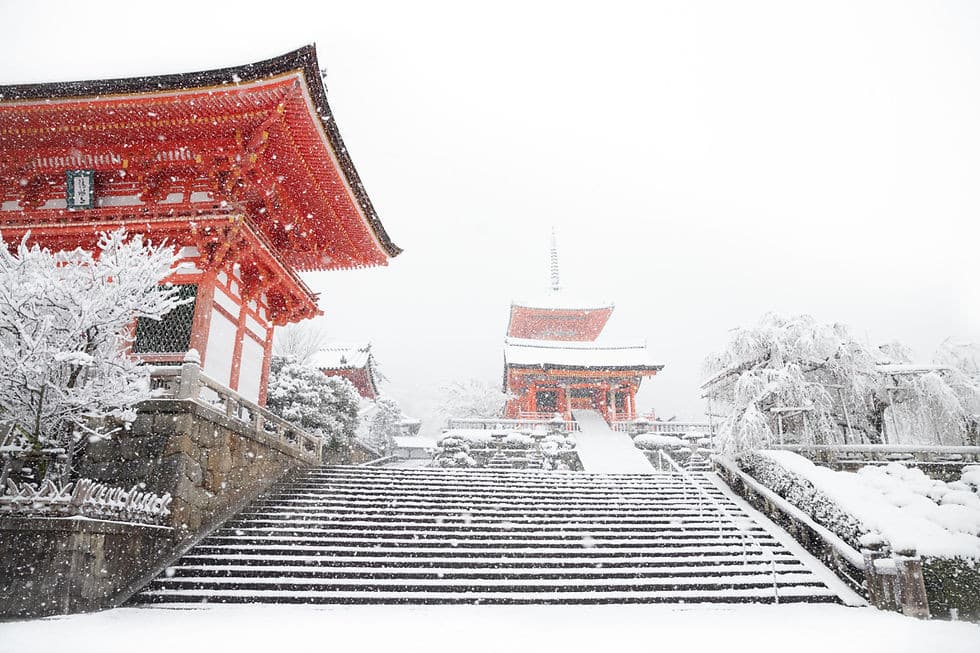
Kiyomizu-dera was founded in 778 and is famous for its “Kiyomizu Stage.” The whole wooden structure was built without a single nail, and it is a World Heritage Site. When snow falls in winter, the view from the stage toward the main hall roof and the snow-covered city of Kyoto in the distance is breathtaking.
It is open 6:00-18:00, with adult admission of ¥500. The main deity is the Eleven-Headed Thousand-Armed Kannon, and you can get charms for love and academic success, and goshuin stamps are available. Go when it opens at 6 a.m., when crowds are smallest and it is easiest to capture untouched fresh snow, one of this guide’s most recommended early-morning visits.
-Klook.jpg)
Arashiyama’s Togetsukyo Bridge and Bamboo Grove Path: Ink-Painting Poetry in Winter
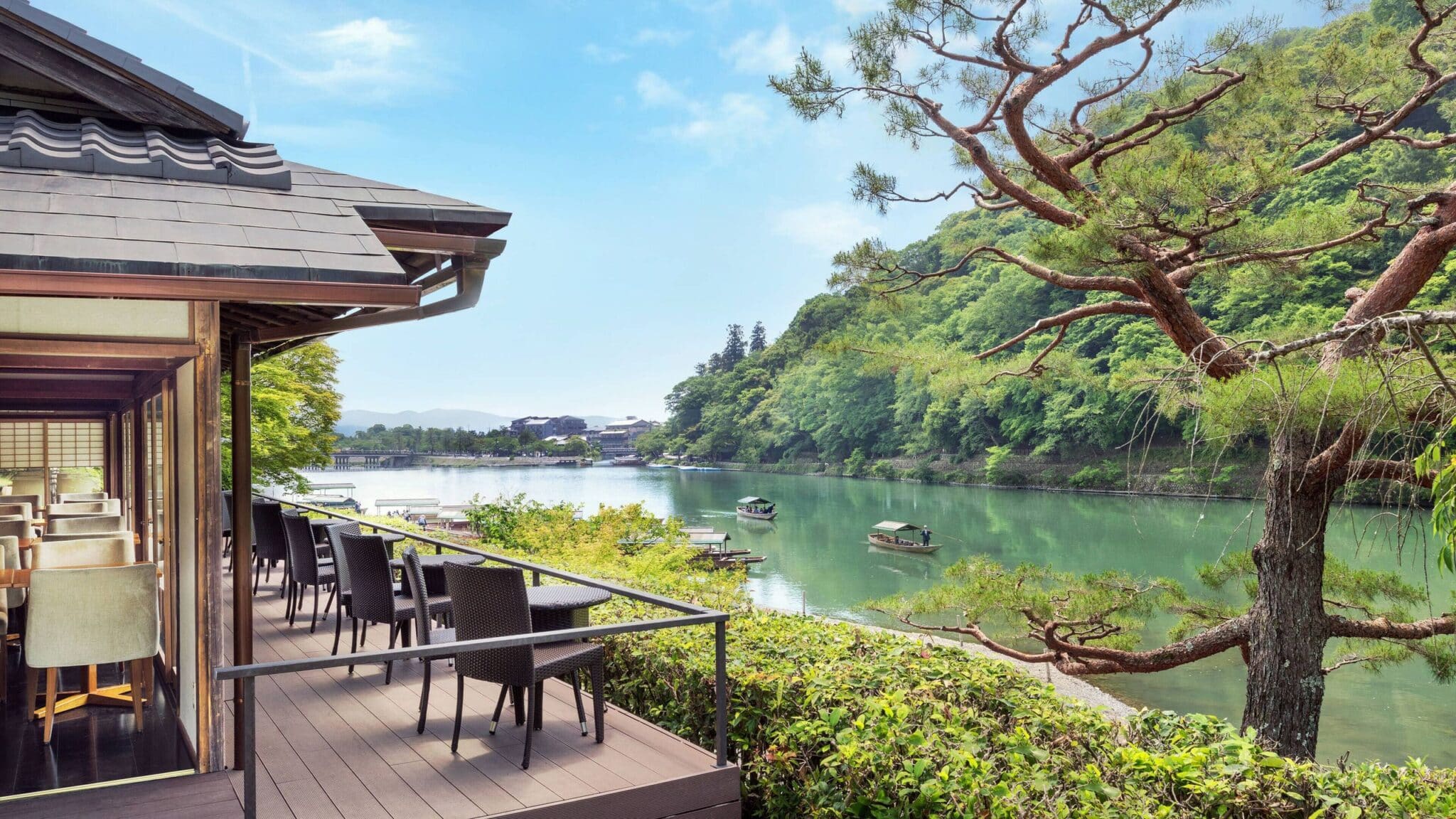
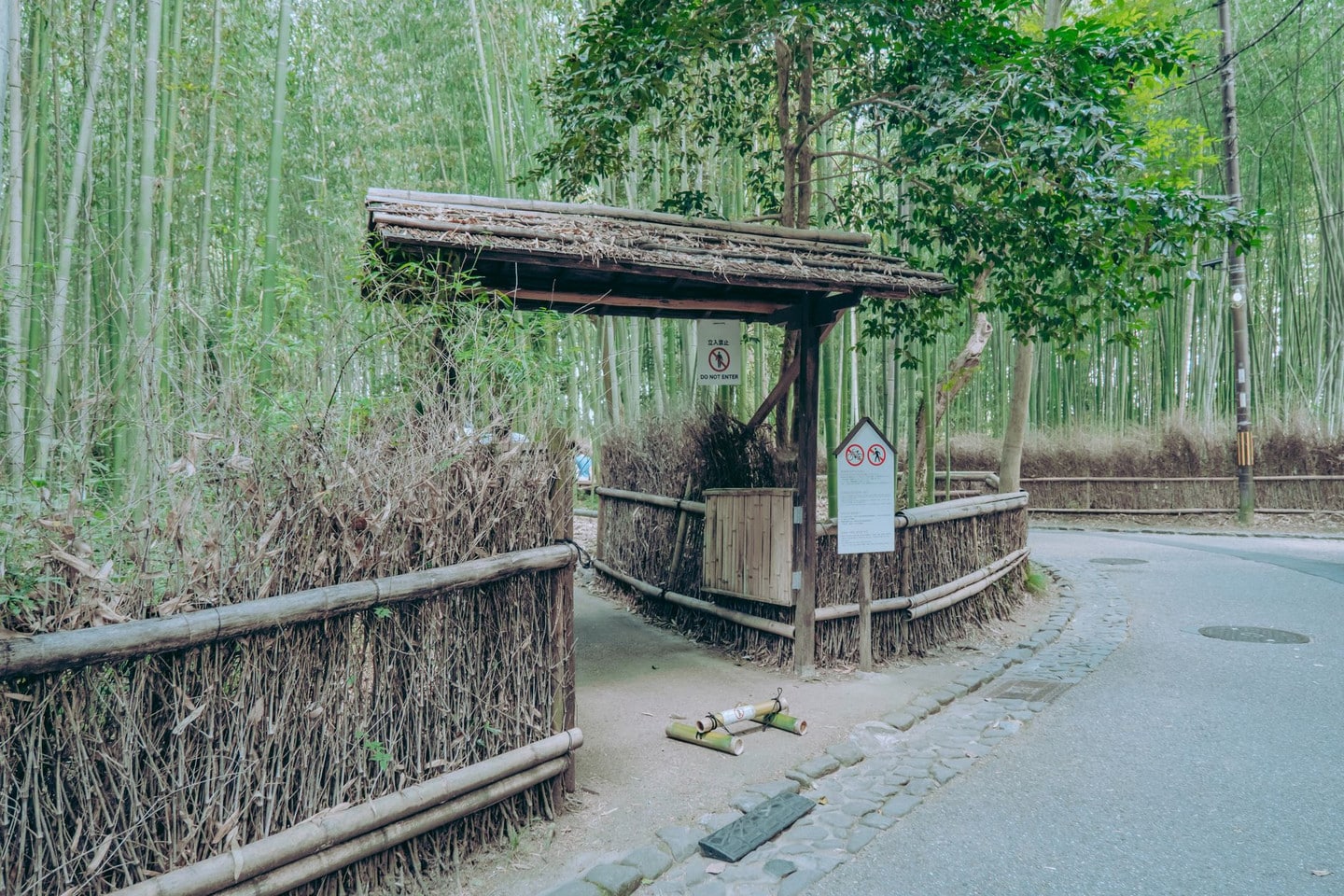
Togetsukyo Bridge spans the Katsura River, and with the bamboo grove path lightly dusted with snow, winter presents a quiet ink-painting mood quite different from the autumn leaf season. The bamboo path is about 500 meters long, and although the leaves stay green in winter, the play of light when snow falls on the bamboo tips is especially captivating.
We suggest walking from JR Saga-Arashiyama Station. The whole area is open and free to visit, and the best time is 7 to 9 a.m., when there are few visitors and the light is soft, good for a leisurely stroll and photos.
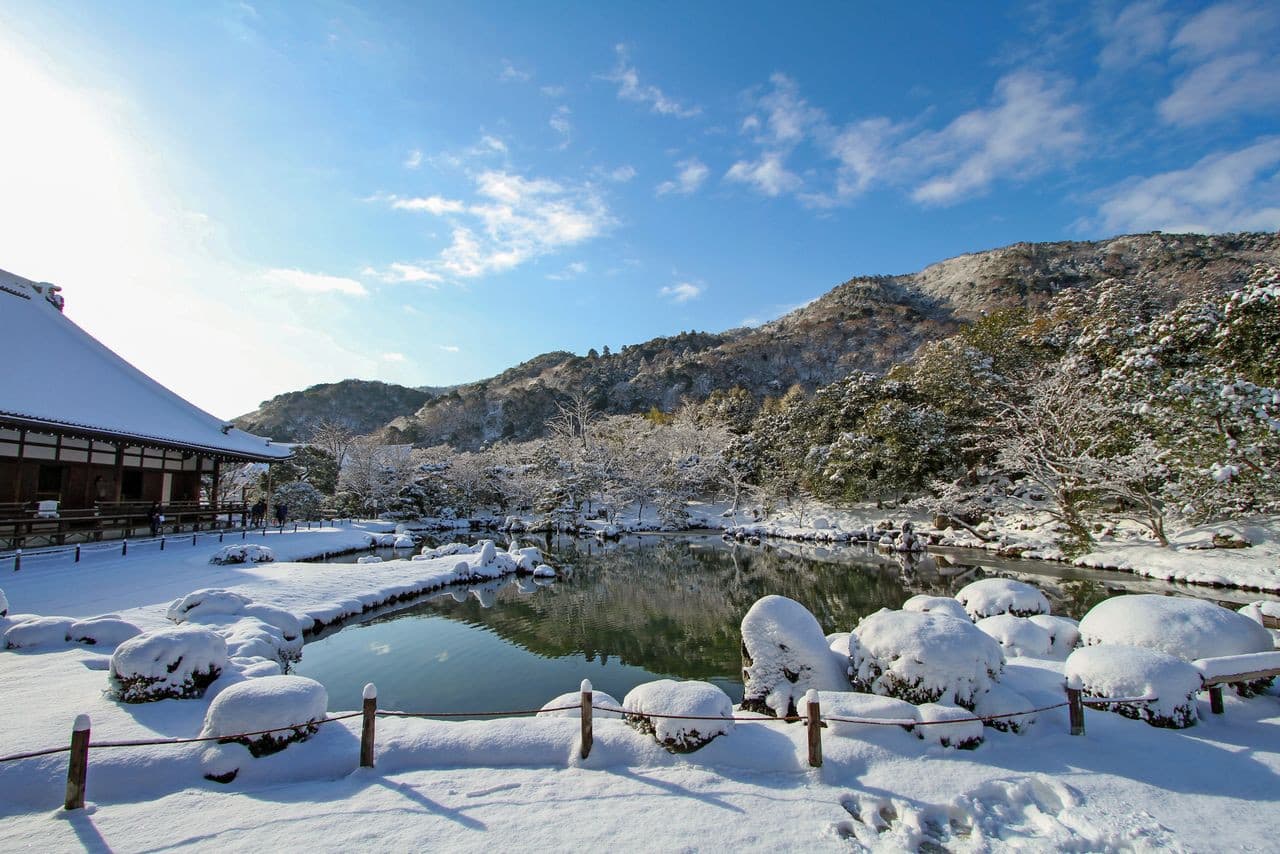
Tenryu-ji in Arashiyama: The Cloud Dragon Painting and a Garden in Snow
Tenryu-ji is the head temple of the Tenryu-ji school of Rinzai Zen, founded in 1339 and a World Heritage Site, and its garden, Sogenchi Garden, is beautiful in every season. The ceiling of its Dharma Hall bears the “Cloud Dragon” painting, which is open on Saturdays, Sundays and national holidays, a precious highlight of Tenryu-ji.
It is open 8:30-17:00, with garden admission of ¥500 and a separate ¥500 for the special Dharma Hall visit. The garden in winter snow is poetic and picturesque, so plan your trip around the weekend and holiday days when the Cloud Dragon is open to avoid missing it.
Jojakko-ji in Arashiyama: A Hidden Old Temple Where the End of Autumn Leaves Meets the First Snow
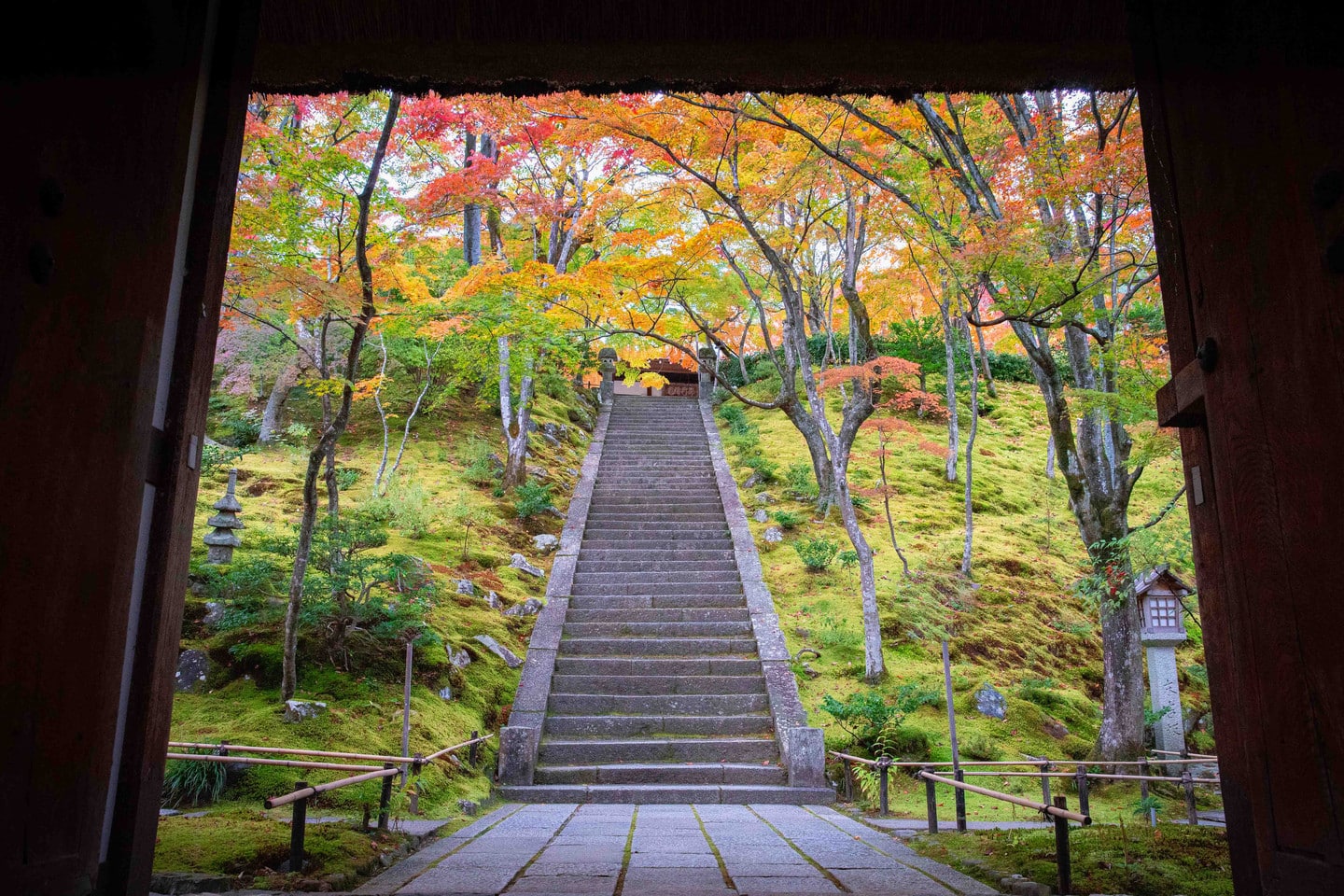
Jojakko-ji is on the slope of Mt. Ogura and is famous for autumn leaves, but in early winter you can often see a rare scene of remaining maples and first snow in the same frame, with relatively few visitors, good for travelers who love tranquility.
It is open 9:00-17:00, with admission of ¥500. The grounds have a Tahoto pagoda from which you can look out over the whole Arashiyama valley, and visiting in winter avoids the leaf-viewing crowds for a quieter atmosphere of worship.
Hogon-in in Arashiyama: The Shishiku Garden Opened for Special Spring and Autumn Viewing
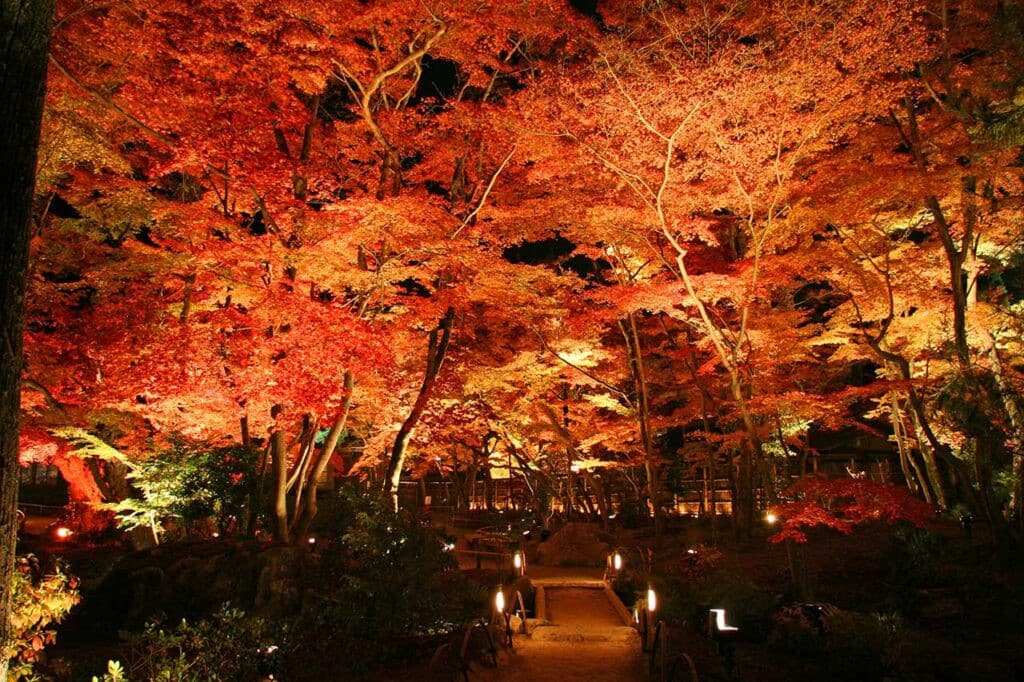
Hogon-in opens for special viewing only in spring and autumn, with evening garden illumination events held from November to December. The garden, “Shishiku no Niwa,” looks especially dreamlike under the lights. It is not open in winter.
Admission during the special opening is about ¥700, with evening viewing about ¥1,000 and session times to note. The official website announces the year’s opening periods, so please check before you go to avoid arriving after the opening period has ended.
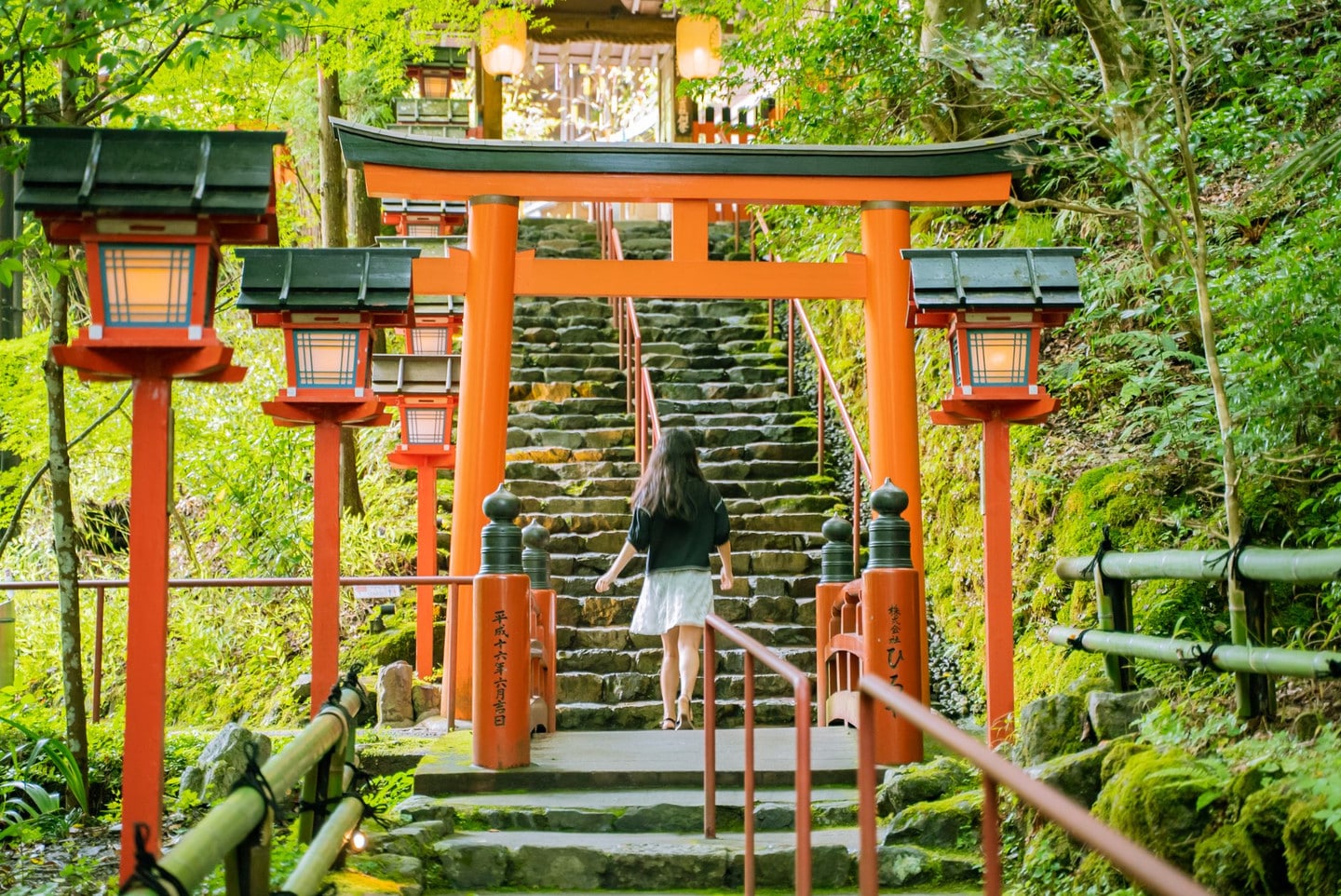
Nonomiya Shrine in Arashiyama: Snow on the Black-Wood Torii for Good Relationships
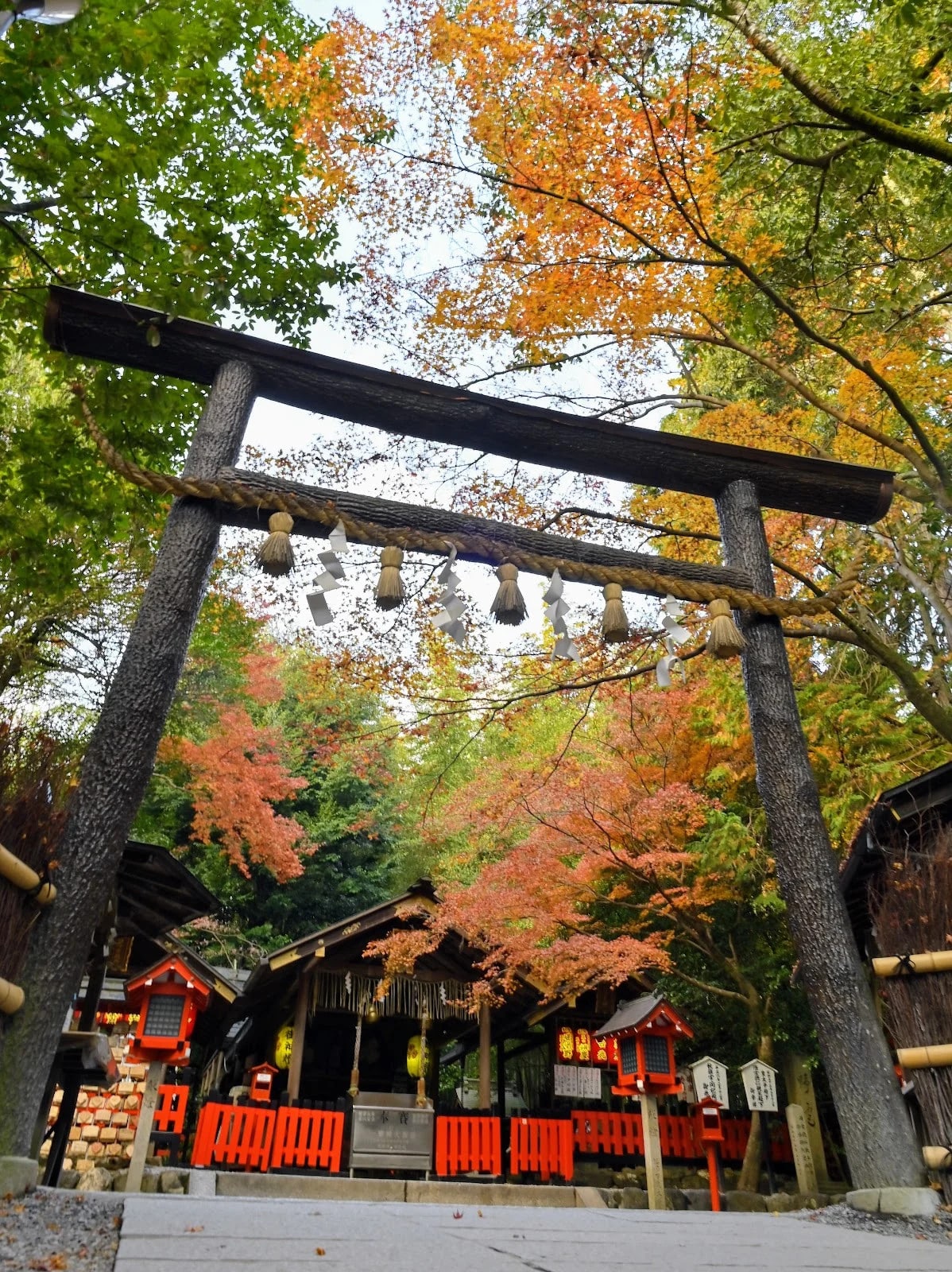
Nonomiya Shrine enshrines the Nonomiya deity and is one of the few shrines in Kyoto that keeps a torii made of unpeeled black wood. It is famous for matchmaking, and the Saigu priestess once purified herself here before going to Ise Jingu. In winter, white snow covers the black-wood torii and the moss garden, a scene both rustic and solemn.
It is open year-round and free to visit, and you can buy charms for good relationships and get goshuin stamps at the shrine office. We suggest combining it with the bamboo grove path and Tenryu-ji, which makes a smooth walking route.
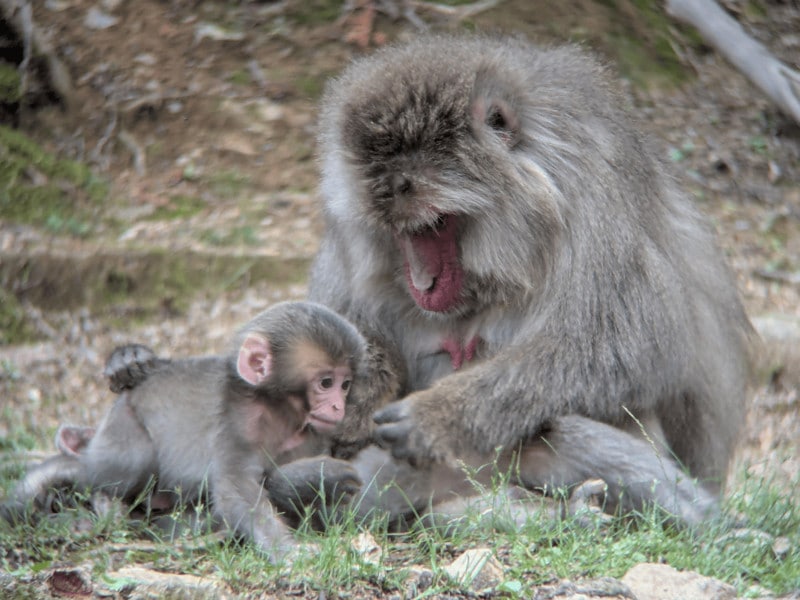
Arashiyama Monkey Park Iwatayama: Wild Macaques in the Snow
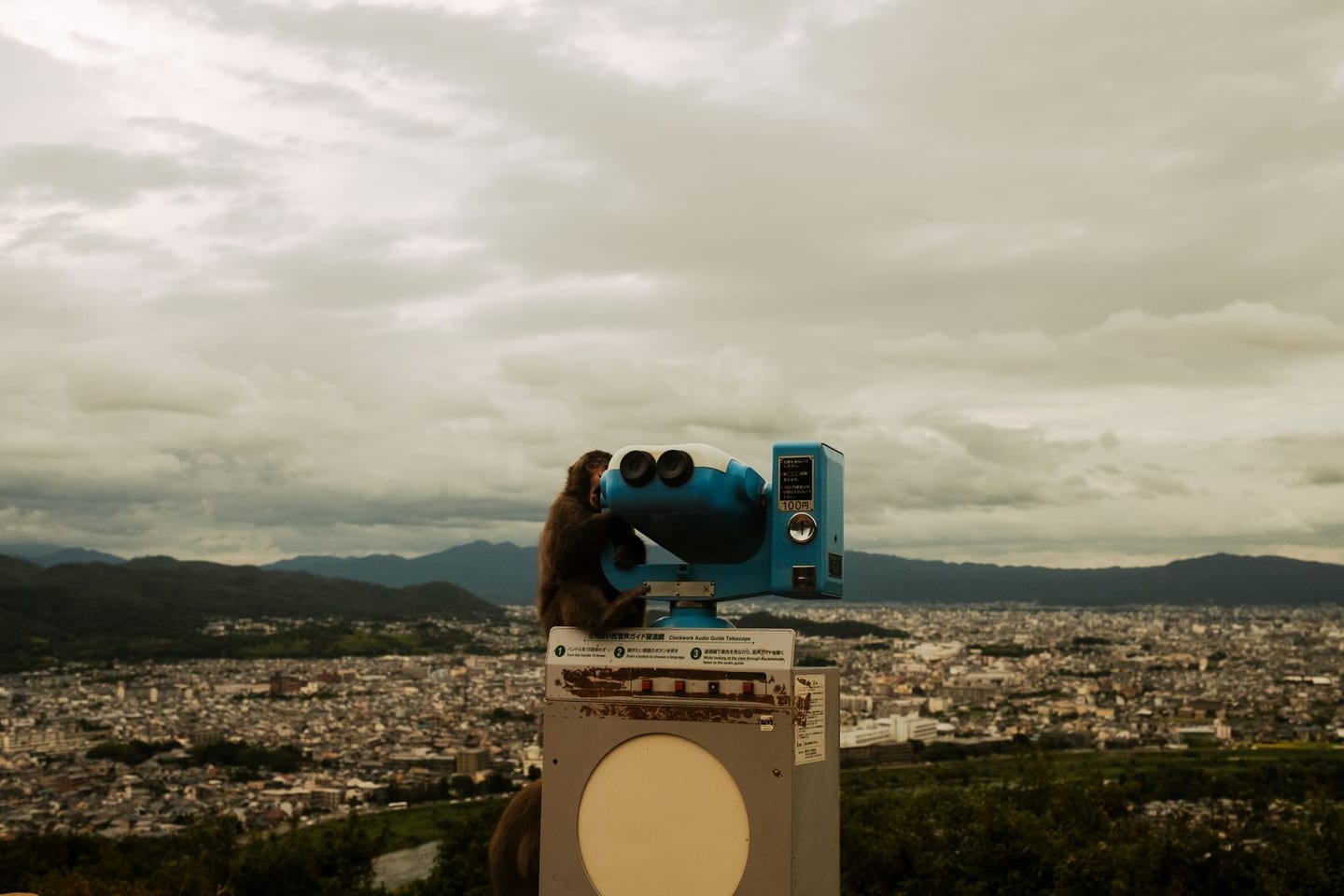
Iwatayama Monkey Park requires about a 20-minute hike uphill to reach, and at the summit you can observe wild Japanese macaques up close and look out over Kyoto’s cityscape. In winter the mountain path sometimes has snow and ice, so watch your footing carefully.
It is open 9:00-16:00, with admission of ¥800 for adults and ¥400 for children. We suggest wearing non-slip shoes. The summit view is excellent, and on a clear day you can see the center of Kyoto and the Arashiyama peaks in the distance.
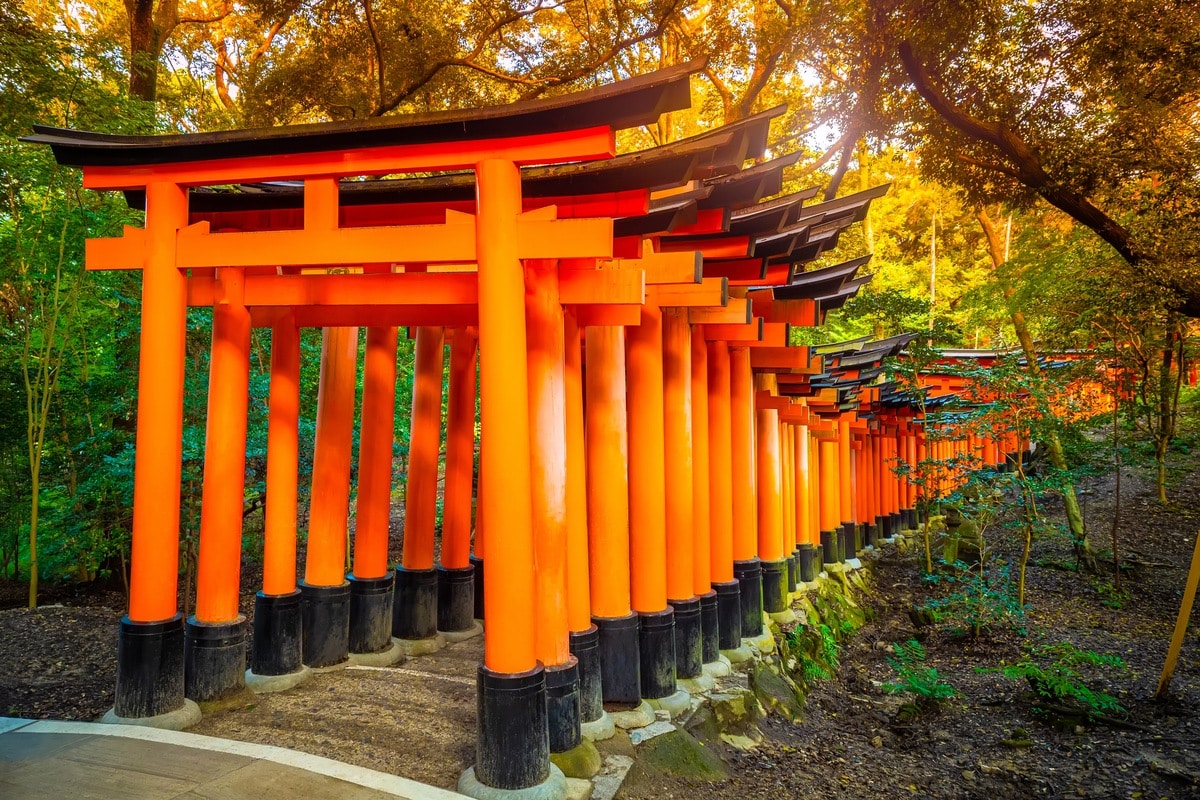
Fushimi Inari Taisha: The Otherworldly Feel of Senbon Torii and Snow-White Fox Statues
Fushimi Inari Taisha enshrines the deity Inari and is famous for its stretch of thousands of vermilion torii gates. It is open 24 hours a day all year and free to visit. When light snow occasionally falls in winter, the vermilion torii contrast strongly with the white snow, and the stone fox statues draped in snow look even more mysterious, like an anime scene.
You can buy charms for good fortune and business prosperity and goshuin stamps on the grounds. We suggest going early in the morning or around dusk to avoid the large daytime tourist crowds, and snow scenes are usually easier to capture intact in the morning.
Gion: Winter Charm of Stone-Paved Lanes and Traditional Machiya
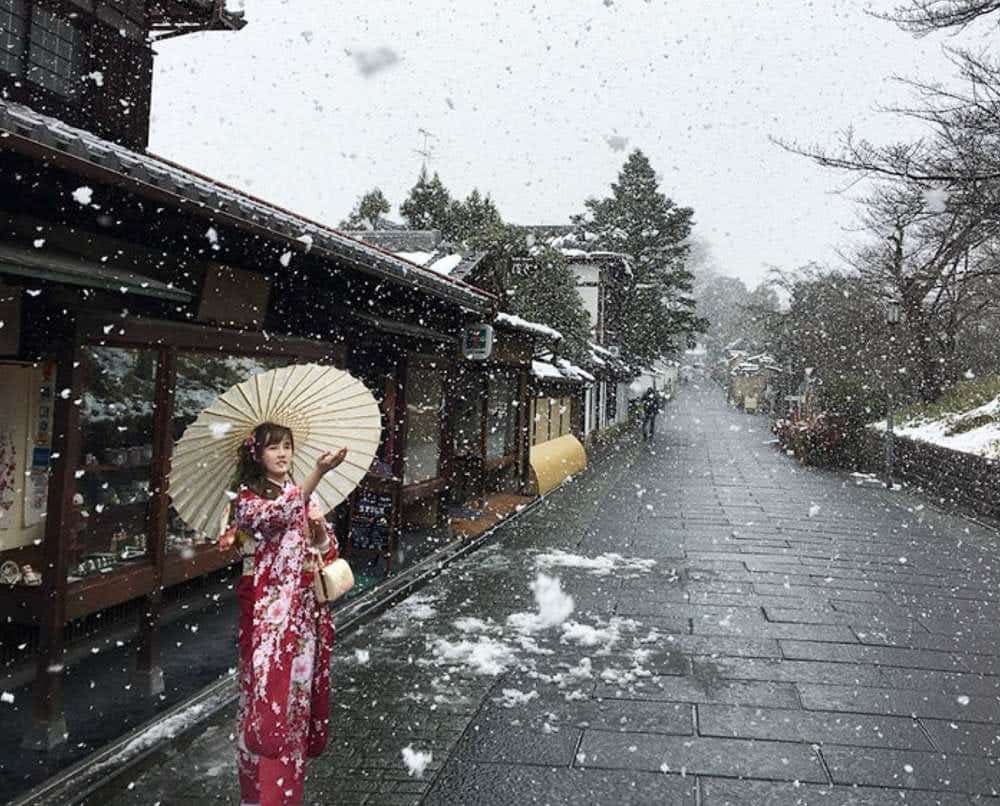
Gion is Kyoto’s traditional geisha district, with machiya lining both sides of Shirakawa Minami-dori and Hanamikoji. There is little snow in winter, but a light dusting sometimes covers the stone-paved road, and combined with red lanterns it has a special charm. With luck you may spot geiko and maiko walking among them.
The whole area is an open street district where you can stroll freely at any hour. We suggest going at dusk when the lights come on, to experience Kyoto’s most iconic evening atmosphere.
How to Plan a Winter Day in Kyoto: A Sample One-Day Snow Route
A one-day winter snow itinerary in Kyoto can run like this: Kiyomizu-dera opens at 6:00, and snow scenes mostly melt before the afternoon, so it suits the first stop of the day; then go to Kinkaku-ji, which opens at 9:00; in the afternoon, eat and stroll in Gion and Nishiki Market, where most shops are open around 9:00-18:00; at dusk, see the night atmosphere of the machiya on Gion’s Shirakawa Minami-dori and Hanamikoji.
Nishiki Market: A Warm Food Tour of Kyoto’s Kitchen
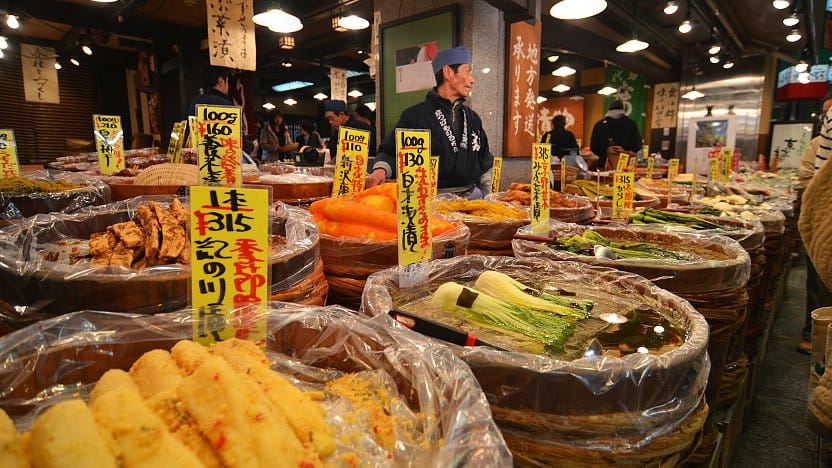
Nishiki Market is about 390 meters long and gathers hundreds of shops selling local ingredients and snacks such as Kyoto pickles, yuba and fu, and is known as “Kyoto’s Kitchen.” In the cold of winter, the hot tofu soup, grilled dango and hot sake sold in the market are especially popular.
Opening hours vary by shop, mostly around 9:00-18:00. We suggest setting aside one to two hours to eat as you walk and feel the everyday life of Kyoto’s winter closest to the locals.
How to Get to Kyoto’s Winter Snow Spots: Transport and Pass Guide
Kyoto’s winter snow-viewing spots are mostly in the mountains and outskirts around the city, such as Kibune, Kurama, Ohara and Mt. Hiei. Making good use of rail passes and one-day bus tickets saves money and avoids the risk of driving on snowy days.
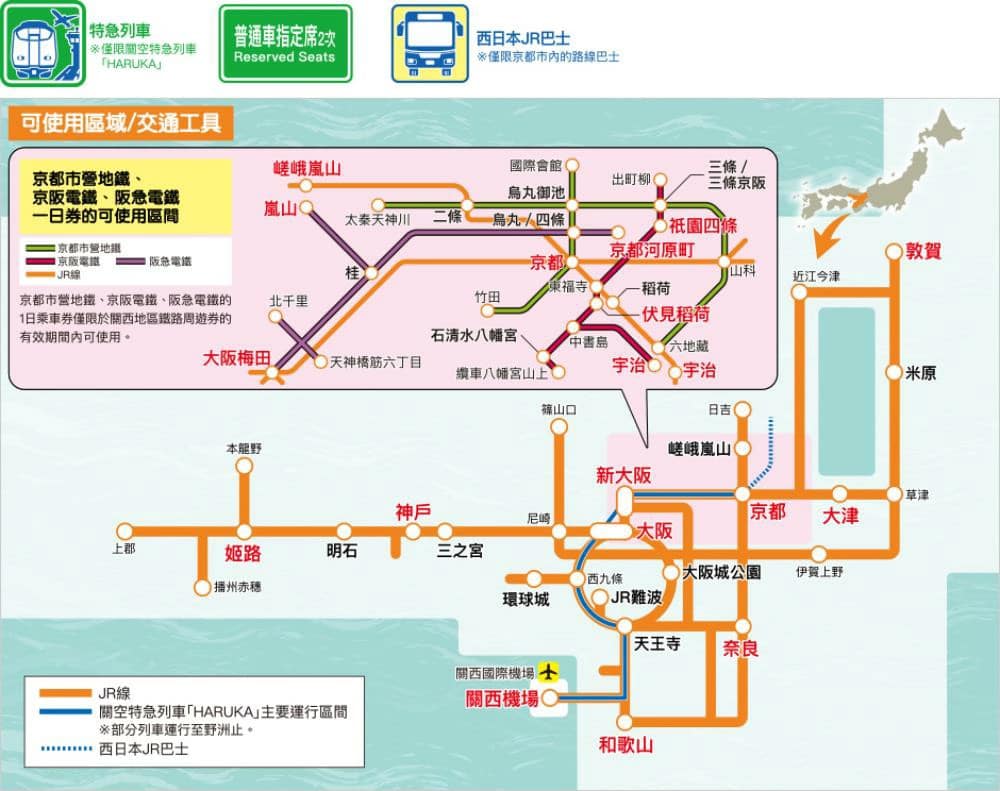
How to Get to Kyoto’s Snow Spots: Transport at a Glance
🎫 Kansai Wide Area Pass: 5 days, about ¥9,200 if bought overseas (¥12,000 if bought in Japan), for longer trips among Kyoto, Osaka, Kobe and Himeji.
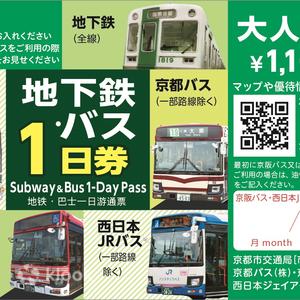
🚇 Kyoto Sightseeing One-Day Pass: ¥1,100. On snowy days the subway is the most reliable and punctual choice.
🚞 Eizan Electric Railway Kurama and Kibune Line: Demachiyanagi to Kibuneguchi takes about 28 minutes, and at Kibuneguchi Station you can transfer to Kyoto Bus No. 33 for about 7 minutes to Kibune (about a 30-minute walk).
🚌 Kyoto Bus Ohara Line: Direct to the snowy gardens of Sanzen-in and Jakko-in, with fares per Kyoto Bus announcements.
🚕 Taxi and chartered car: Half-day prices as quoted by the operator, reaching mountain areas that buses do not easily serve.
![[Transport Ticket] Kyoto - Osaka Sightseeing 1-Day / 2-Day Pass](https://res.klook.com/images/w_300,h_300,c_fill,q_75/w_80,x_15,y_15,g_south_west,l_Klook_water_br_trans_yhcmh3/activities/nfvdy9glv3pjnadlduur/【交通票券】京都-大阪觀光一日券/二日券-Klook.jpg)
2026 Kyoto Winter Travel Guide: A Complete Guide to Weather, What to Wear and Snow Viewing
Kyoto winters have low humidity and temperatures mostly between 0 and 8°C, and dressing correctly and catching the right snow-viewing moment are the keys to enjoying the snow.
| Season | Average Temperature | Recommended Clothing |
|---|---|---|
| December | About 7°C | Heavy coat, scarf, thermal wear |
| January | About 5°C (near 0°C in early morning) | Down jacket, knit hat, gloves, warm boots |
| February | About 5°C (near 0°C in early morning) | Layered onion-style dressing, windproof and waterproof jacket |
| Early March | About 8-10°C | Thick sweater, light windproof jacket |
Kyoto Winter Climate Overview: A Dry Cold Created by the Basin Terrain
Kyoto’s winter temperatures are lower than many visitors from warmer regions expect, with a December average of 7°C and the coldest months, January and February, averaging 5°C. Early mornings and nights are often near 0°C, and day-to-night differences are 5-8°C. The air is dry with low humidity, and the felt temperature is often lower still because of wind.
The first snow in the city is around late December, and the best time to see snow is late January to late February. Snow at Kiyomizu-dera and Kinkaku-ji is “light” and melts before the afternoon, so shoot in the early morning; in the northern mountains of Kibune and Miyama, and on the northern coast of the prefecture at Amanohashidate and Ine’s funaya boathouses, snow is deeper and lasts longer.
In Which Months Does Kyoto Get Snow? Snow Days and Snow Depth from December to March
According to the 1991-2020 normals from the Japan Meteorological Agency’s Kyoto observatory, snowfall is observed on about 44 days a year in the city, mainly in January (about 16 days) and February (about 14 days), with December and March about 7 days each. However, monthly accumulated snowfall depth averages only about 5 cm in January and about 7 cm in February, and the deepest snow cover in the month averages only 3-4 cm. Check the Japan Meteorological Agency’s weekly forecast in the week before you go.
Choosing an Outer Coat: Wool vs. Down
A heavy wool coat or down jacket is essential for Kyoto winters. Down jackets have a higher warmth rating and are lighter, suiting travelers who feel the cold or spend long periods outdoors viewing snow. Wool coats have a more structured cut and suit pairing with kimono or formal occasions, but are slightly less warm than down.
We suggest a knee-length style with a hood, which gives fuller protection in snow or strong wind, and a scarf tucked inside the collar to strengthen neck warmth and reduce loss of felt temperature.
Lower-Body Warmth: Thick Pants and Warm Tights Are a Must
Kyoto is windy in winter and the ground is damp and cold. We suggest wearing thick trousers or pairing them with thermal tights, and if you wear a skirt, be sure to layer thick tights or thermal leggings beneath, to avoid exposing your legs directly to the cold air, as long walks make you feel the cold more.
Some travelers choose a double-layer approach of performance thermal leggings under windproof trousers, which is especially effective for early-morning snow viewing or trips to mountain areas such as Kibune, and also lowers the risk of catching a cold.
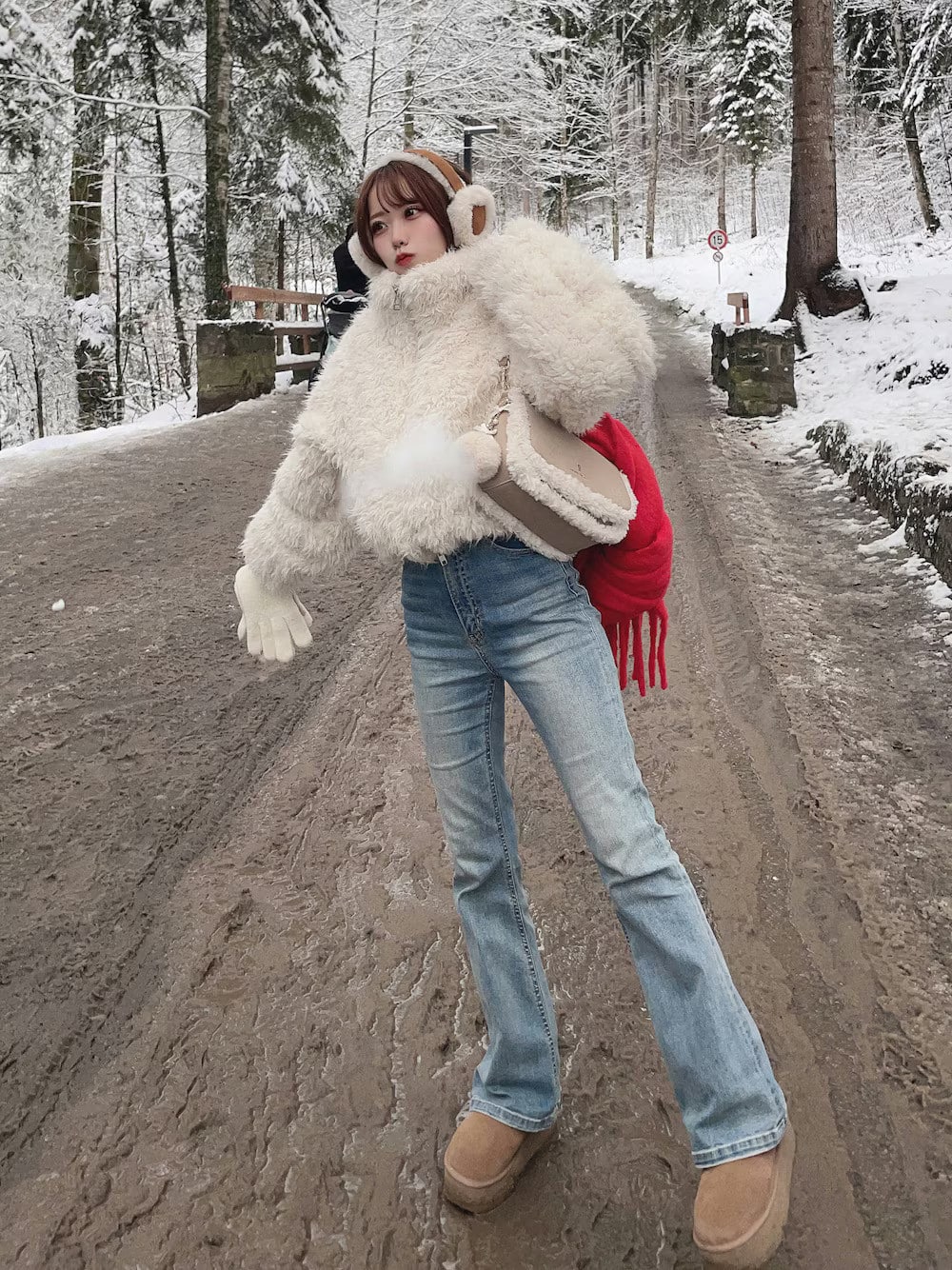
Gloves, Scarf and Knit Hat: The Easily Overlooked Warmth Trio
Hands, neck and head lose heat quickly and are the easiest parts to overlook in warm dressing, yet the most important. We suggest bringing touchscreen gloves so you can use your phone to take photos at any time, wool or cashmere scarves for better warmth, and a knit hat to effectively reduce heat loss from the head.
Early morning is the coldest time for snow viewing, and wearing a full set of gloves, scarf and knit hat greatly improves comfort during time outdoors, especially in high-altitude mountain areas such as Kibune Shrine.
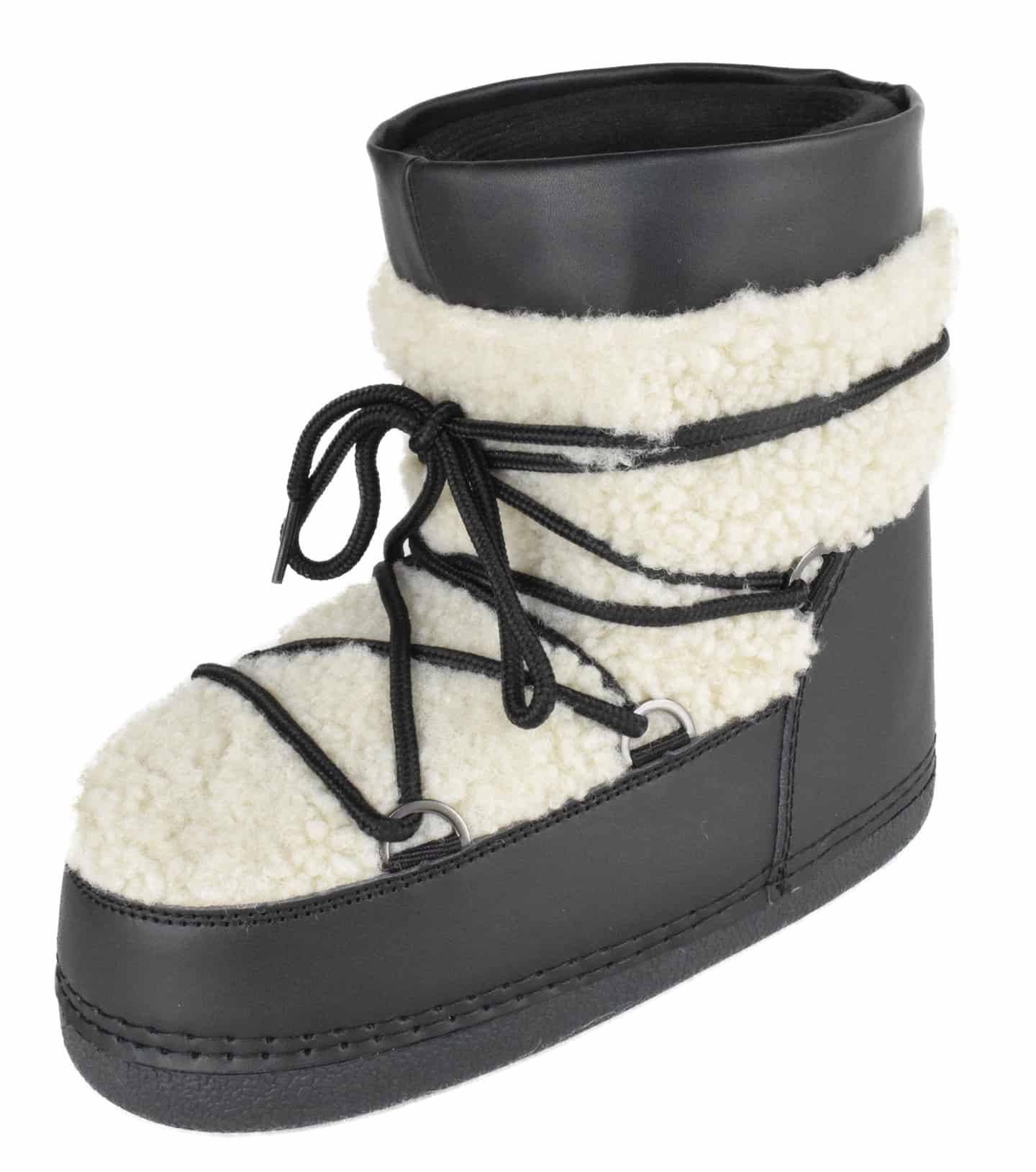
Non-Slip, Waterproof Footwear: The Key to Safety on Snow and Stone Steps
Ground is extremely slippery when walking on snow, on shrine stone steps or when snow is melting, and it is the biggest safety concern of winter travel in Kyoto. Be sure to wear walking shoes or boots with deep tread and non-slip, water-repellent features, and avoid leather shoes or canvas shoes with smooth soles.
Attractions such as Kiyomizu-dera and Kinkaku-ji have many stone steps and flagstone paths, which are especially dangerous with snow or ice. We suggest checking your shoes’ grip before you leave, slowing your pace, and watching for unmelted ice at corners and in shadows.
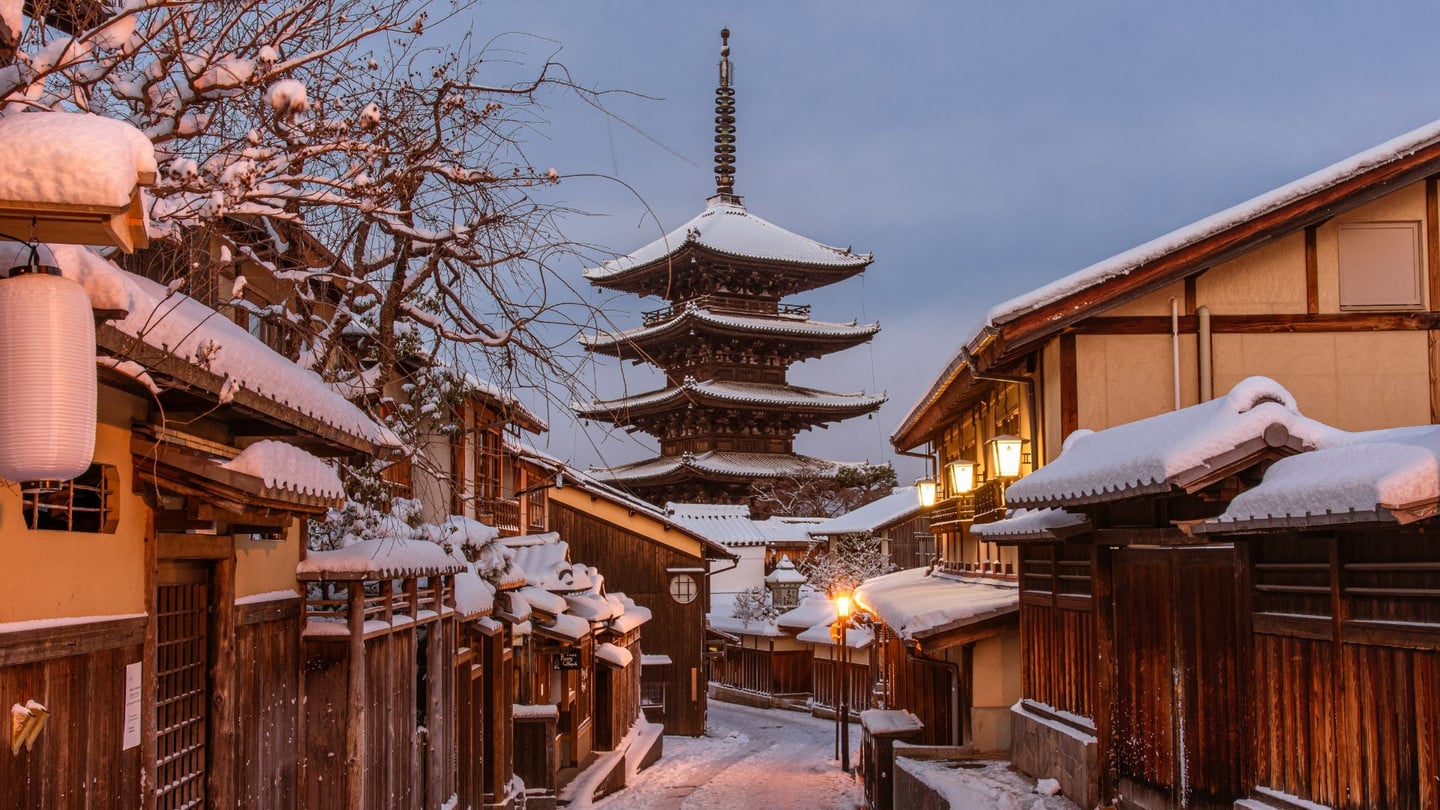
Best Time and Places for Snow Viewing: Catch the Timing
To see Arashiyama’s most beautiful snow, we suggest targeting late January to late February, the season with more snow days in Kyoto and a better chance of snow scenes. Go in the early morning or around dusk, when the light is soft and the snow has not yet been trampled or melted.
Snow at city spots such as Kinkaku-ji and Kiyomizu-dera is “light” and melts quickly, so you must catch it in the early morning; in the northern mountains, Kibune Shrine and Miyama, and in northern Kyoto Prefecture at Amanohashidate and Ine’s funaya boathouses, the chance of snow is markedly higher than in the city, the best choices for a pure silver-white world.
Winter-Only Events: New Year Shrine Visits and Kibune Illumination
Although Kyoto winters lack the big festivals of cherry blossom or autumn leaf seasons, the New Year shrine visit (hatsumode) is the most important traditional winter event. After the midnight temple bells, people flood into Yasaka Shrine and Heian Jingu to pray for a safe new year, in an atmosphere both solemn and lively.
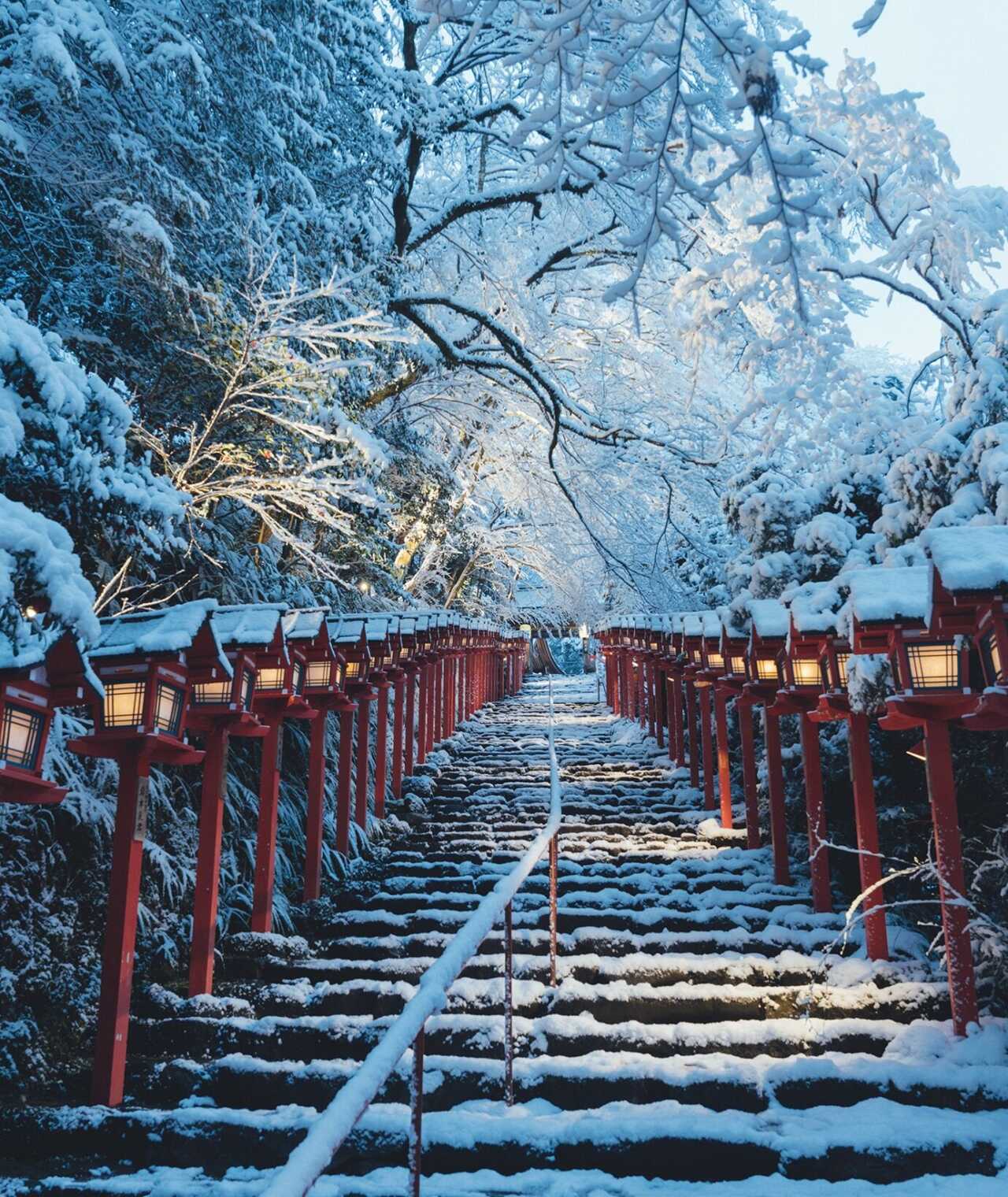
Kibune Shrine holds a limited-period winter evening illumination, when the red lanterns on both sides of the approach are covered with snow and, together with the lighting effects, create a mysterious and romantic atmosphere. It is a key highlight of Kyoto’s winter-only experiences, suited to travelers who love quiet night scenes.
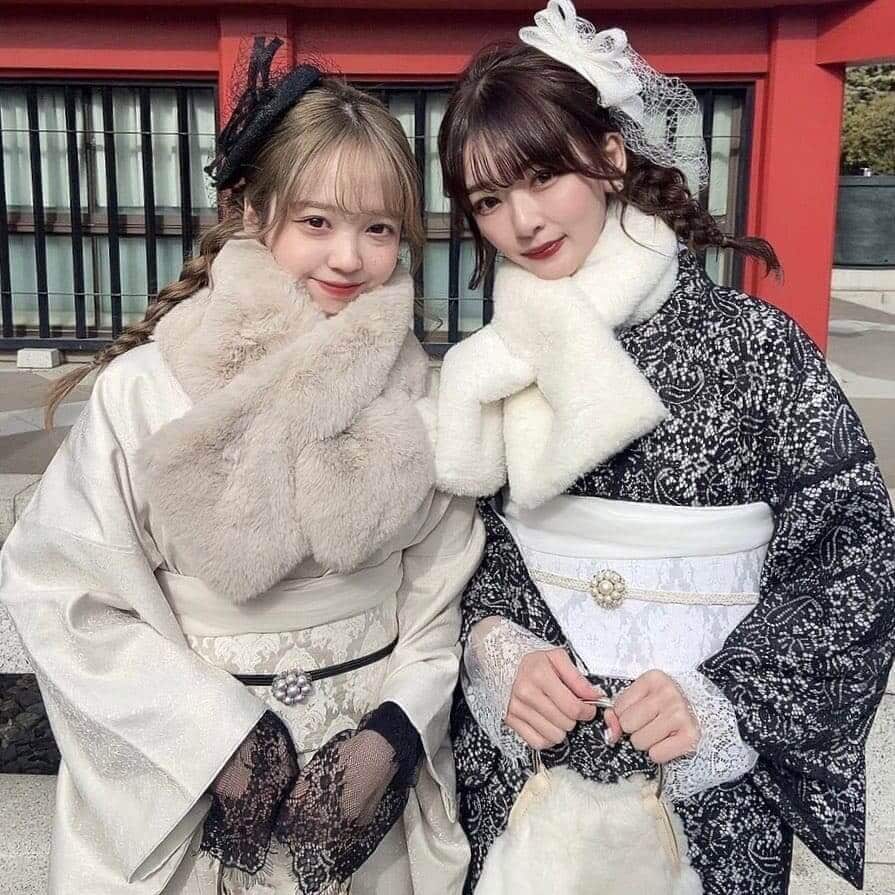
Winter Kimono Tips: Inner Layers and Haori Are the Key to Warmth
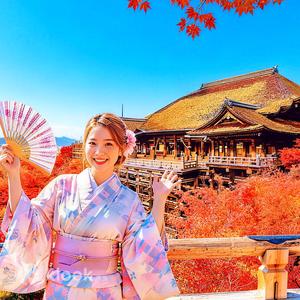
Wearing a kimono in winter calls for extra attention to warmth. We suggest thermal underwear, long tights underneath, and a “haori” (a kimono-specific jacket) over the top against the wind. Some rental shops also offer warm tabi socks and hand warmers as add-ons.
Mixing in Western accessories such as berets and short boots has become quite popular on Kyoto streets in recent years, keeping you warm while showing personal style. Most kimono rental shops are concentrated around Kiyomizu-dera and Arashiyama, convenient for renting nearby.

Trip Planning and Notes: Low-Season Advantages and the Latest Local Information
Winter is Kyoto’s low season, with cheaper hotels and flights and fewer crowds, suiting travelers who like a quiet atmosphere. We suggest flexible scheduling, placing popular spots in the early morning or at dusk to avoid tour group peaks. The Kyoto Prefecture road information system’s winter mode provides real-time snow cover and road camera images, handy for planning mountain trips. “Kyo no Fuyu no Tabi” is held every year from January to March, with special openings of temple cultural properties normally closed to the public and special “Okoshi Bus” routes; check the Kyoto City Tourism Association announcements before you go for the new year’s content.
Recommended Tickets and Experiences for Kyoto Winter Snow Trips
Although Kyoto’s winter temperatures are low, it is an excellent season for scenes of karesansui rock gardens with white snow, lingering autumn color at old temples and a silver-white world. Especially around Arashiyama, Kibune and Kurama, the scenery is dreamlike if snow falls. Here are four of the most popular winter experiences and transport tickets, letting travelers enjoy Kyoto’s snow country more efficiently and comfortably while avoiding some transport inconvenience and cold walking.
Arashiyama and Sagano One-Day Snow Stroll Pass: A Quiet Snowy Day in the Bamboo Grove and at Togetsukyo Bridge
Arashiyama has noticeably fewer visitors in winter, and if snow falls, the bamboo grove path is dusted with snow and Togetsukyo Bridge spans the Katsura River against snow-capped distant mountains, one of Kyoto’s most classic winter scenes. This pass usually includes a one-day ticket for the Randen (Arashiyama Electric Railway) and Tenryu-ji garden admission, priced as shown on the booking platform on the day, and can be booked online on KKday or Klook, with exchange points mostly near Kyoto Station or Arashiyama Station.
The pass’s biggest advantage is that you can move freely among Arashiyama’s attractions, including Jojakko-ji, Nison-in and Nonomiya Shrine, without the hassle of buying single tickets. Some plans also add a kimono experience discount or a matcha dessert voucher, so travelers can enjoy a warm indoor rest with hot tea in the cold, which is very good value.
We suggest planning half a day to a full day, going early in the morning to avoid crowds and capture the beautiful light where bamboo mist and first snow meet, a top winter pick for photography lovers.
Snow at Kibune Shrine and Kurama-dera: Subway and Eizan Railway Same-Day Round-Trip Ticket
The Kibune and Kurama area is at higher elevation and is the place in the Kyoto region most likely to get snow and to see shrine approaches blanketed in white. Because local buses are infrequent and roads are slippery, we suggest buying the “Subway & Eizan Railway Kurama-Kibune Same-Day Round-Trip Ticket,” about ¥2,100 for adults (sold April 2026 to March 2027), valid on the Kyoto Municipal Subway and the whole Eizan Railway.
Highlights include Kibune Shrine’s famous vermilion lantern-lined approach, which looks even more mysterious and dreamlike against white snow, and the winter snow-lantern corridor event (held only on specific dates) is an annual limited-time sight that draws many photography fans. Kurama-dera is known for its steep stone steps and ancient cedar forest, and after snow the trails are somewhat slippery, so we suggest wearing non-slip snow boots.
This package usually takes about 4 to 6 hours and fits on the third or fourth day of a Kyoto trip, a quiet change from the city bustle to experience a completely different side of Kyoto’s winter.
Kyoto Snow Photography Guided Experience: A Professional Photographer Leads You to Hidden Snow Spots
In recent years, many travel platforms have launched small-group “Kyoto snow photography tours” led by professional photographers or local guides who know the local climate and changes in light, heading to private spots where it is easy to take great snow photos, such as the Philosopher’s Path, the Nanzen-ji aqueduct and around Kinkaku-ji. Prices depend on group size and tour length and are as shown on the booking platform on the day, and usually include 2 to 4 hours of professional guiding and basic photography tips.
The feature of these tours is that guides adjust the route in real time to the day’s snowfall and weather, leading travelers away from crowded popular spots to lesser-known but equally spectacular snow hideaways, such as the karesansui of Enko-ji or Shisendo with snow, which is especially atmospheric.
They are especially recommended for photography lovers or travelers who want unique souvenir photos, and some tours offer film camera rental or on-the-spot retouching advice, giving every photo professional quality and keepsake value.
Mt. Hiei: Cable Car Operating Period and Winter Snow-Viewing Notes
Mt. Hiei straddles the border of Kyoto and Shiga Prefecture, and the summit has Enryaku-ji, a World Heritage Site. The Eizan Cable Car and Ropeway operate from March 20, 2026 to January 3, 2027, and are suspended from early January to mid-March, so snow-viewing trips from late January to late February need separate planning. Please check the official Keihan Electric Railway announcements before you go.
Where to Stay Nearby
Kyoto’s winter snow spots are scattered across the city and outskirts. Staying around Kyoto Station or Shijo-Kawaramachi lets you reach Kinkaku-ji, Arashiyama, Kibune and elsewhere by city bus, subway or Eizan Railway, and since it gets dark early in winter, choosing well-connected accommodation is more reassuring.

Kyoto Winter Travel FAQ
Q: Which month is Kyoto most likely to get snow in winter?
The first snow in central Kyoto is usually in late December, but the best time to view snow is late January to late February, when the city mostly has only brief early-morning snow cover.
Q: What are Kyoto’s winter temperatures?
December averages about 7°C, and January and February are the coldest at about 5°C on average, with early mornings and nights often approaching 0°C and a clear day-to-night difference.
Q: Does snow in Kyoto’s city center stay for long?
Snow at city spots such as Kiyomizu-dera and Kinkaku-ji is usually light and mostly melts before the afternoon, so go in the early morning; snow in the northern mountains and Kibune is thicker and lasts longer.
Q: What clothing should I prepare for snow viewing in Kyoto?
We suggest layering onion-style: thermal wear, a sweater, a heavy coat or down jacket, plus gloves, scarf, knit hat and non-slip waterproof boots.
Q: How do I get to Kibune Shrine? Is the transport convenient?
From Demachiyanagi Station, take the Eizan Railway about 28 minutes to Kibuneguchi Station, then transfer to Kyoto Bus No. 33 to Kibune Station. In winter, services are easily affected by snowfall, so watch the timetable.
Q: Will Kyoto be crowded in winter?
Winter is one of the low seasons. Apart from the New Year shrine visit period, crowds are far smaller than in cherry blossom and autumn leaf seasons, and hotels and flights are relatively cheaper.
Q: What should I watch for with slippery roads in Kyoto in winter?
Shrine stone steps and melting-snow surfaces freeze and get slippery easily, so be sure to wear non-slip, waterproof footwear, and slow your pace and watch for leftover ice in shadows.