
2026 Omagari National Fireworks Competition: A Full Guide to Japan’s Top Fireworks Contest
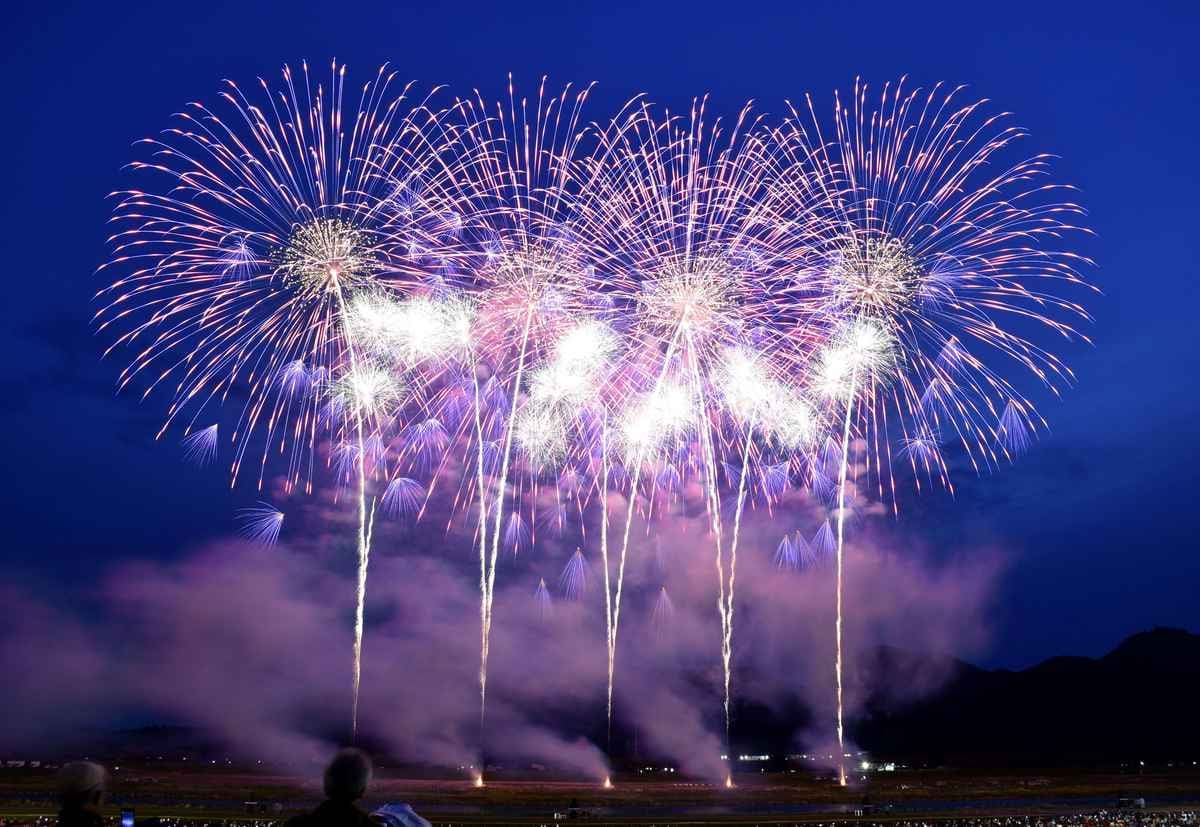
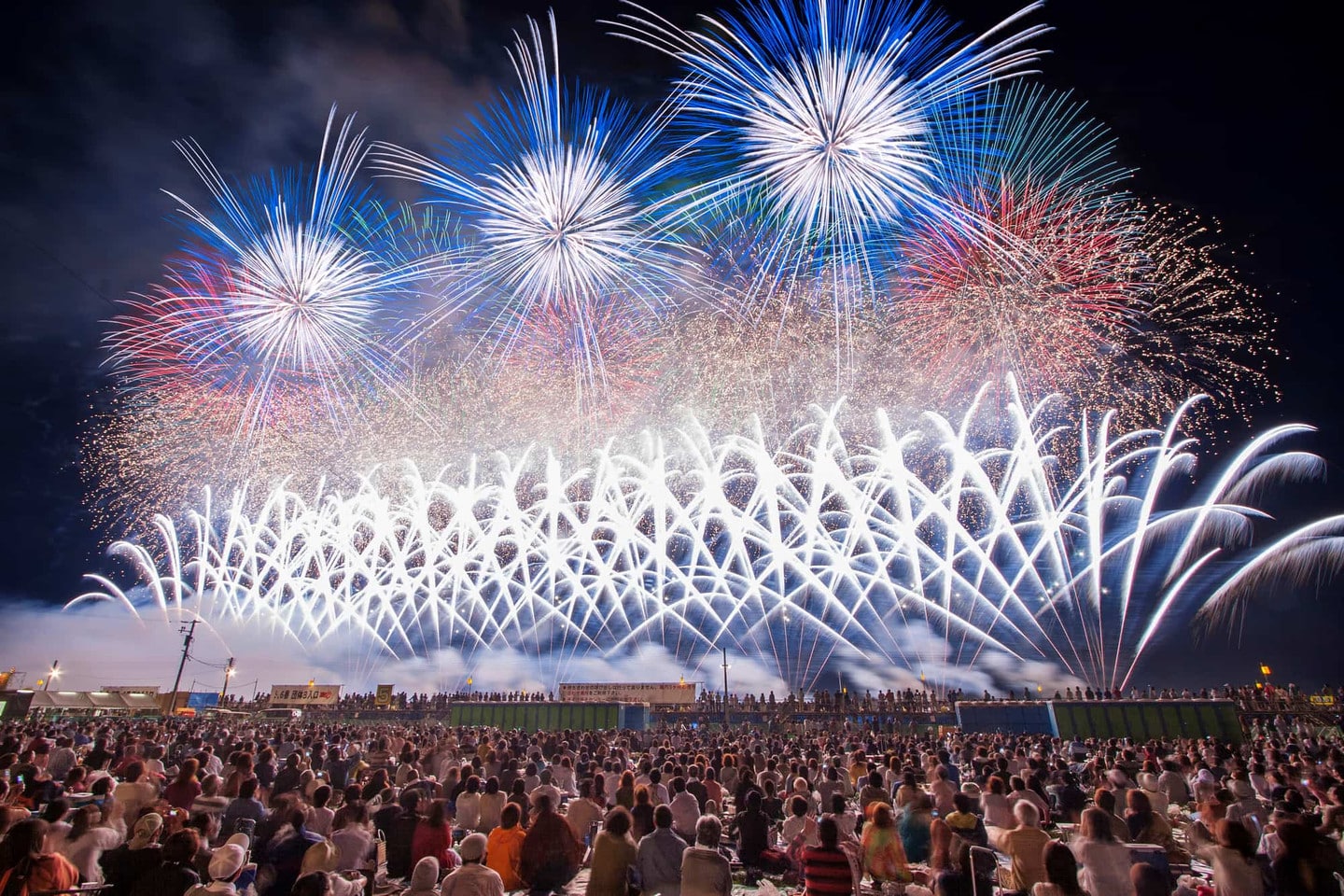
The Omagari National Fireworks Competition is held on the last Saturday of August each year in Daisen City, Akita Prefecture. It is one of Japan’s three great fireworks festivals and is recognized by pyrotechnicians nationwide as the highest arena of competition.
- 📅 Omagari Fireworks 2026: the 98th edition took place on Saturday, August 29.
- 🕘 Omagari fireworks schedule: daytime fireworks 17:10-18:00, night fireworks 19:00-21:30.
- 🎫 Omagari fireworks tickets: all seating inside the venue is paid, ¥8,000-¥70,000, and no same-day tickets are sold.
- 🚉 Getting to the Omagari fireworks: take JR to Omagari Station and walk about 2 km; driving means heavy traffic jams.
- 🎆 The Autumn Chapter was held as planned on Saturday, October 3; please wait for the official announcement for the 2027 schedule.
A century of Omagari fireworks and the link to Suwa Shrine
The Omagari Fireworks Festival dates from 1910 and began as an entertainment offered at the festival of Omagari Suwa Shrine, when local merchants paid to invite pyrotechnicians to launch fireworks in prayer for a good harvest and peace. Over more than a hundred years it grew into a national technical competition for pyrotechnicians, with about 28 top fireworks companies entering each year to compete for top honors such as the Prime Minister’s Prize.
Unlike the Nagaoka fireworks, which emphasize remembrance and recovery, the core spirit of Omagari is “technical competition.” Every pyrotechnician must submit a written description of the work and be scored live by judges, so it is called the “Koshien of pyrotechnicians” and is the highest benchmark of Japanese fireworks craftsmanship.
2026 event basics: date, location and scale

The 2026 Omagari National Fireworks Competition was held on Saturday, August 29. In case of bad weather, the organizers will announce a postponement date separately depending on how the venue recovers. The venue is on the banks of the Omono River in Omagari, Daisen City, Akita Prefecture, divided into Venue 1 (the competition area for pyrotechnicians) and Venue 2 (the continuous-launch area).
According to the official site, night fireworks start at 19:00 and run until about 21:30, roughly 2.5 hours. About 18,000 fireworks are launched in all, a true national-scale event of Japan.
- 🕘 Launch times: Saturday, August 29, 2026, daytime fireworks 17:10-18:00 / night fireworks 19:00-21:30
- 🎫 Ticket prices: paid seating (tax included) chair seat ¥8,000 / two-person bench seat ¥13,000 / picnic-mat seat ¥15,000 / embankment box seat ¥30,000 / table seat ¥38,000 / deluxe table seat ¥50,000 / platinum two-person seat ¥70,000; the official site states that seats are not sold on the day
- 🌧 Bad weather: if postponed, the organizers will decide a new date after confirming how the venue recovers
- 🔗 Official website of the National Fireworks Competition “Omagari no Hanabi”
Latest on Omagari fireworks 2026: both the summer event and the October “Autumn Chapter” have been held
The 98th National Fireworks Competition in 2026 was held as scheduled on Saturday, August 29. The official site announced the day before (August 28) that it would go ahead as planned, and published the judging results on its website on August 30. A total of 28 fireworks companies took part. The venue opened at 15:00, with daytime fireworks 17:10-18:00 and night fireworks 19:00-21:30, for about 18,000 shots in all.
Besides the August summer event, the same “Omagari no Hanabi” park also held “Omagari no Hanabi – Autumn Chapter” on October 3.
- 📅 Date: Saturday, October 3, 2026, 18:00-19:30, held as planned
- 🎆 Content: about 8,000 shots, with free-form creative fireworks by local Omagari pyrotechnicians, a finale of 100 consecutive 10-shaku shells, and an announced drone show
- 🌧 Rain: originally to be postponed to Sunday, October 4 or Saturday, October 10, but it was not postponed this time
- 🎫 Tickets: seating went on sale from September 7
The dates for the 2027 Autumn Chapter have not yet been announced by the organizers; please watch the official announcements.
Omagari vs. Nagaoka vs. Kobe Harbor fireworks: how to choose?
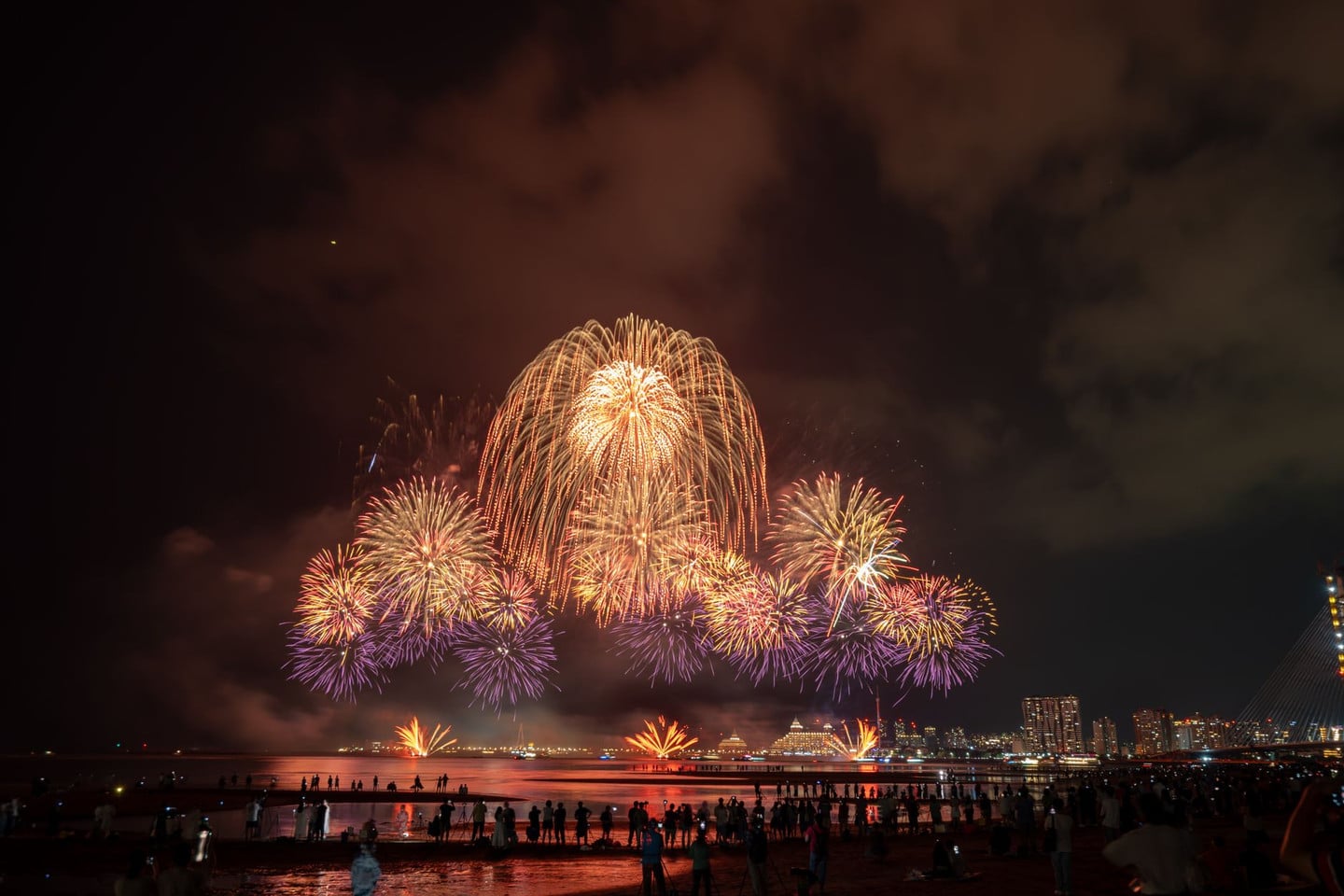
Each of these three events has its own character: Omagari is built on “technical competition,” with pyrotechnicians competing in creativity and finesse; Nagaoka emphasizes “remembrance and recovery,” overwhelming the crowd with its 3-shaku shell and Phoenix fireworks; Kobe Harbor combines the harbor night view with music and leans toward entertainment.
| Fireworks festival | Key feature | Number of shots |
|---|---|---|
| Omagari fireworks | Pyrotechnicians’ technical competition | About 18,000 |
| Nagaoka fireworks | Remembrance and recovery, 3-shaku shell | About 20,000 |
| Kobe Harbor fireworks | Harbor music fireworks | About 10,000 |
If you want to see the highest-level technical contest, Omagari is the first choice; if you want the grand atmosphere of a remembrance story, Nagaoka suits better; and if you just want to enjoy night-view fireworks casually, Kobe Harbor has the lowest barrier to entry.
How to get to the 2026 Omagari National Fireworks Competition? A complete guide to access and costs
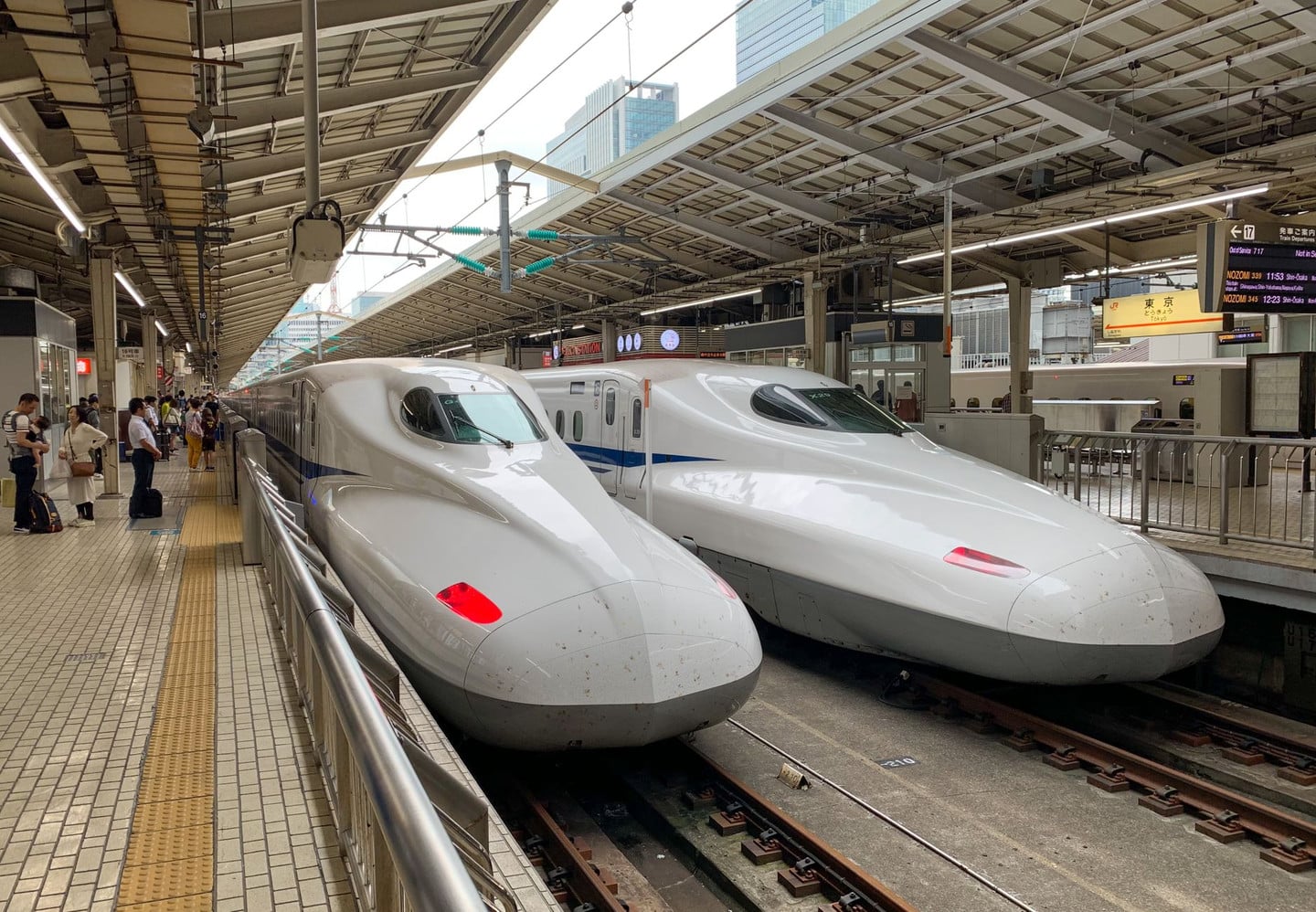
A huge crowd pours in on the day of the Omagari National Fireworks Competition, and large-scale traffic controls are put in place on roads around the venue, so driving yourself is almost impossible. We recommend relying mainly on rail combined with shuttle buses.
How to get to the Omagari fireworks: transport options at a glance
🚄 JR Akita Shinkansen “Komachi”: Tokyo to Omagari one way from about ¥17,350 (reserved seat, varying by about ¥200 with the season), a ride of about 3 hours 5 to 20 minutes. Return tickets need to be grabbed weeks in advance.
🚆 JR Ou Main Line (local): Akita to Omagari about ¥1,040, about 50 minutes, and JR adds extra trains on the day of the event.
🚌 Official transport information: on the day of the event JR adds extra trains until late at night, and other shuttle options follow the announcements on the official site.
🚕 Charter or taxi: the cost varies with distance, suiting groups and travelers with limited mobility, and we suggest sharing among 3-4 people.


Transport notes for the day of the Omagari fireworks: walking time, extra trains and post-event traffic jams
According to the transport information on the official Omagari fireworks site, taking the train is the most recommended way on the day. The nearest station is JR Omagari Station, about 2 km from the venue, with food stalls along the way. JR East adds extra trains on the day of the summer event, with the timetable published as the event approaches, and you can check it on the JR East website.
- 🚶 On foot: JR Omagari Station to the venue is about 2 km, shown as about 20-30 minutes by various sources, so allow extra time when the crowd leaving is heavy.
- 🚗 Driving: large-scale traffic controls are in place around the venue, and Route 13, Route 105 and the area around Omagari IC jam from afternoon until 2-3 a.m. The organizers strongly recommend parking in the suburbs and switching to the train (Park and Ride), and cars in lots near the venue may not be able to leave until midnight.
- 🏨 Accommodation: hotels in central Omagari fill up very early, and the official site suggests you can also look for lodging in Yokote, Yuzawa, Akita City, Kakunodate, Tazawako, Shizukuishi and Morioka along the JR lines.
- 📻 Real-time information: on the day, tune in to “FM Hanabi” (87.3 MHz) or follow the official X account @HanabiOmagari for traffic control and parking lot availability information.


What are the must-see contests and viewing spots at the 2026 Omagari National Fireworks Competition? Highlights by area
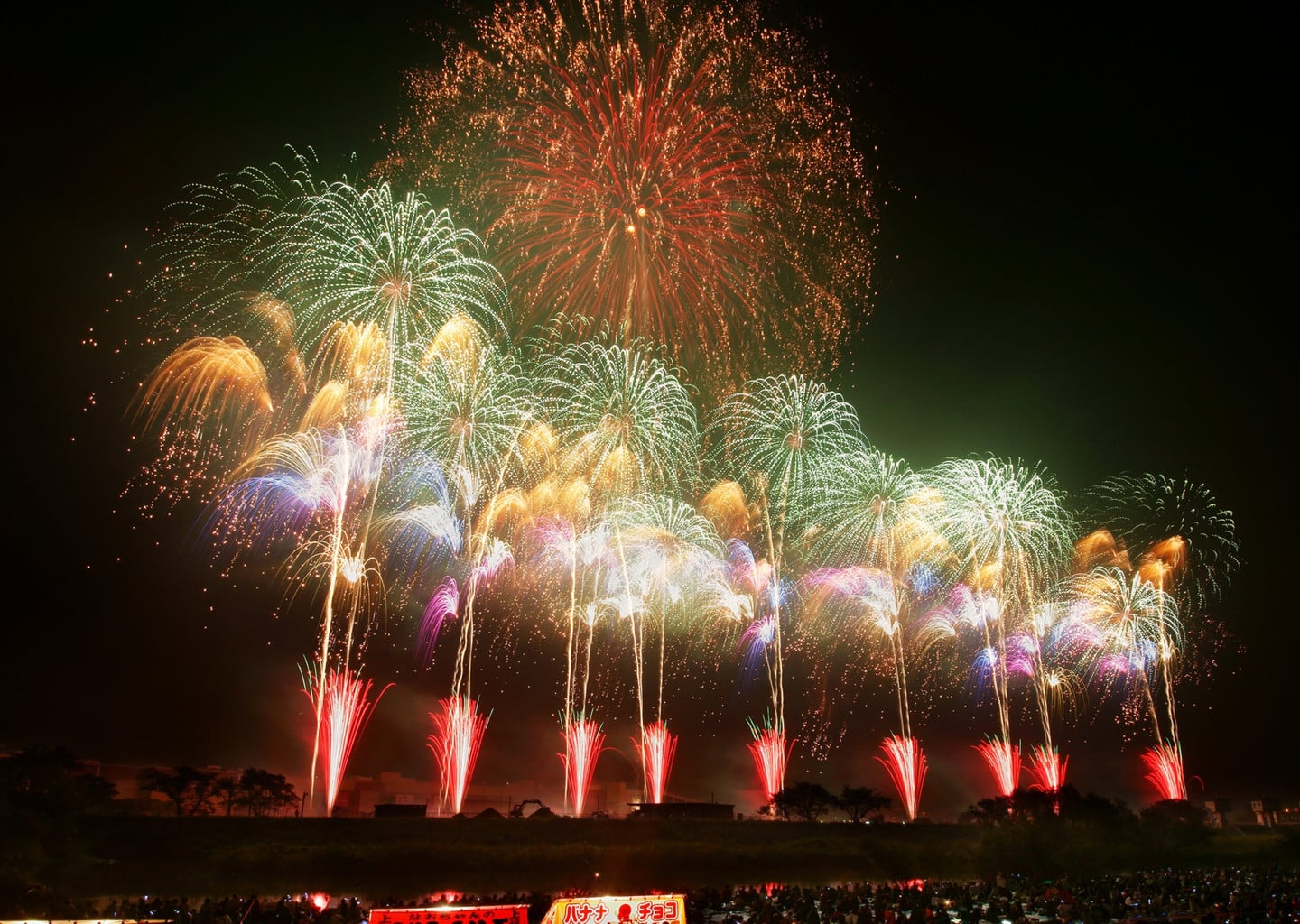
Omagari fireworks has four main competition categories and several viewing areas, and knowing what to look for in each is what makes the trip worthwhile.

Daytime fireworks: Japan’s only daytime fireworks competition
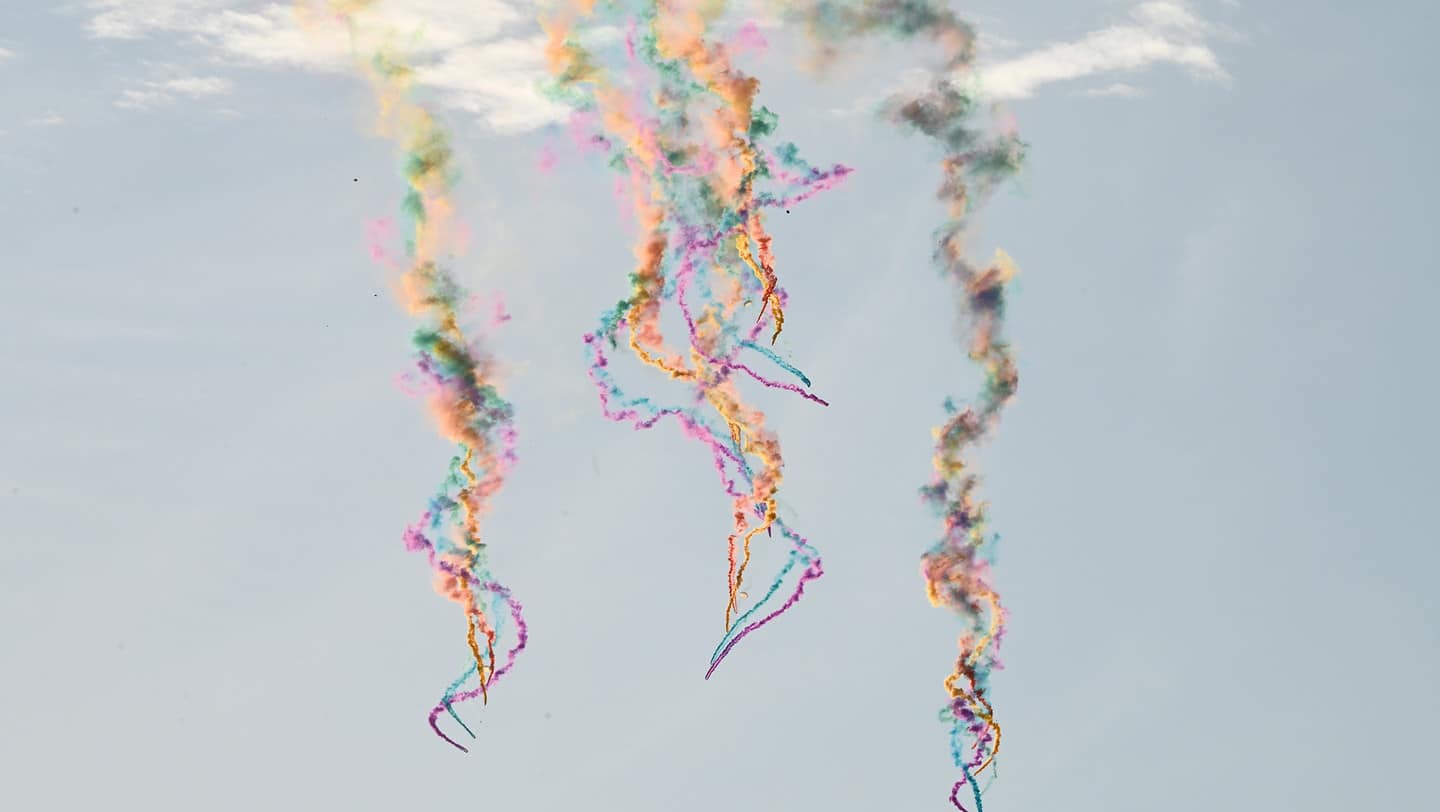
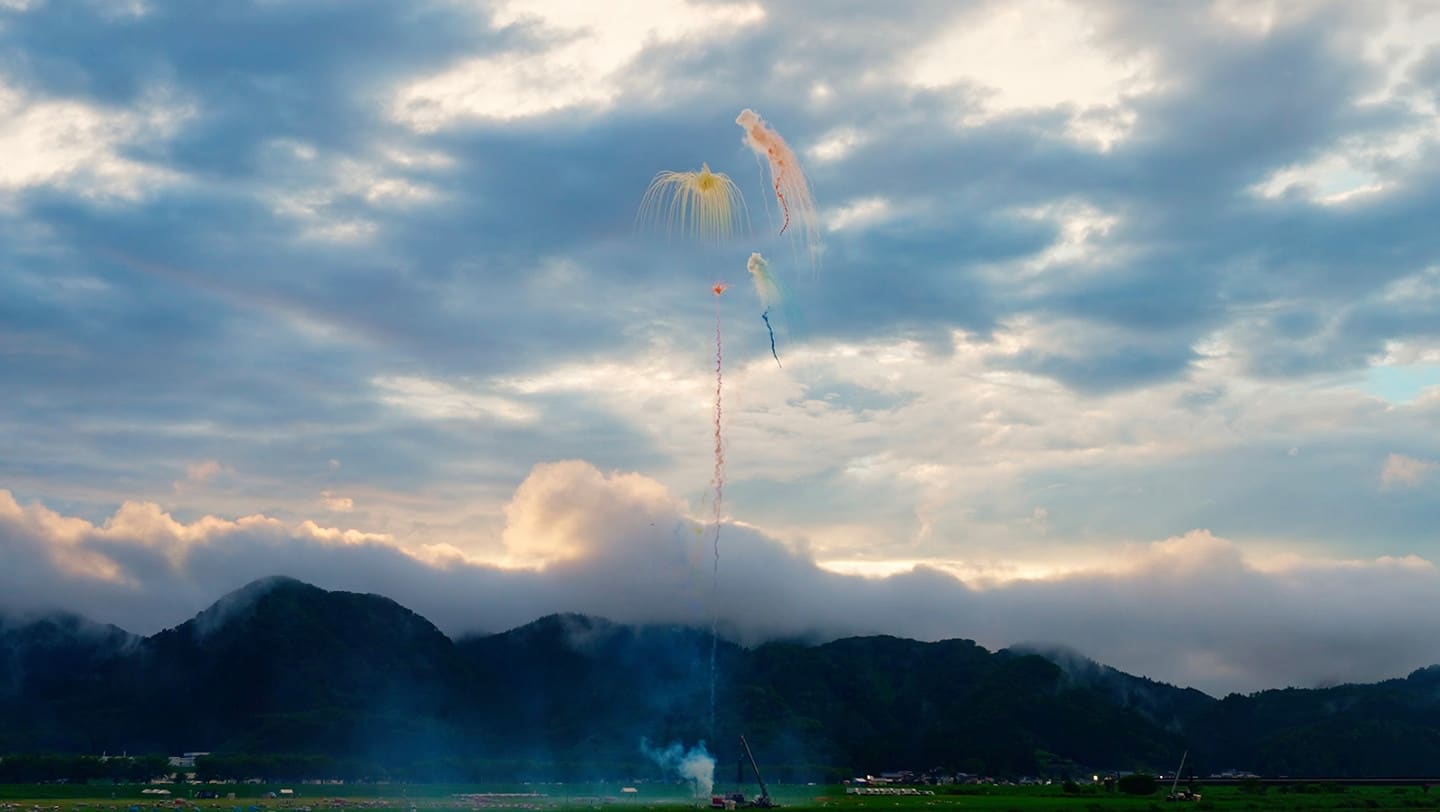
Daytime fireworks are the signature event unique to the Omagari Fireworks Festival and the only fireworks contest in all of Japan held in daytime. The unit is smoke fireworks launched in a series of five “5-shaku” shells, testing the pyrotechnician’s mastery of smoke color, shape and speed of spread against a blue sky, rather than brightness of light, which shows the ultimate command of powder formulas and burn timing. The contest starts at about 17:10 and ends at about 18:00. Because daytime launches are extremely difficult, a pyrotechnician who can steadily produce beautiful patterns is a top master, and this event is regarded as the toughest test of a pyrotechnician’s basic skills.
10-shaku free-form shell: single-shot creative contest with no restriction on form
A 10-shaku shell (shakudama) is about 30 cm in diameter, and after launch the flower is about 300 meters across. The 10-shaku contest has two divisions, “shin-iri warimono” and “free-form shell,” with one shot launched per entry. See the notes below for what to watch in shin-iri warimono.
According to the official explanation, the free-form shell has no restriction on flower form and can show senrin-giku, kamuro-giku or all kinds of shaped fireworks, with judges focusing on the creativity and precision of a single shot.
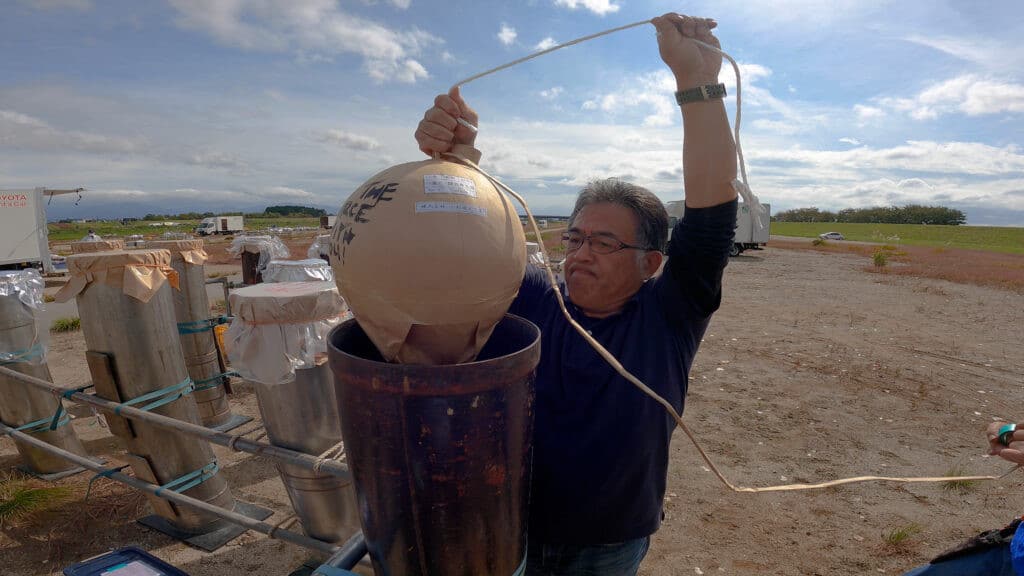
Creative fireworks: music and shaped fireworks that break with tradition
Creative fireworks (sozo hanabi) are the stage where pyrotechnicians show their personal style and innovative thinking. Free of the usual limits on traditional firework shapes and color arrangement, they can freely pair music rhythm with experimental color combinations to produce visual effects unlike traditional fireworks.
According to the official explanation, each creative fireworks performance is limited to 2 minutes 30 seconds, combining color, sound, rhythm and three-dimensional effects, making it the segment where you can best feel a pyrotechnician’s personal aesthetic.
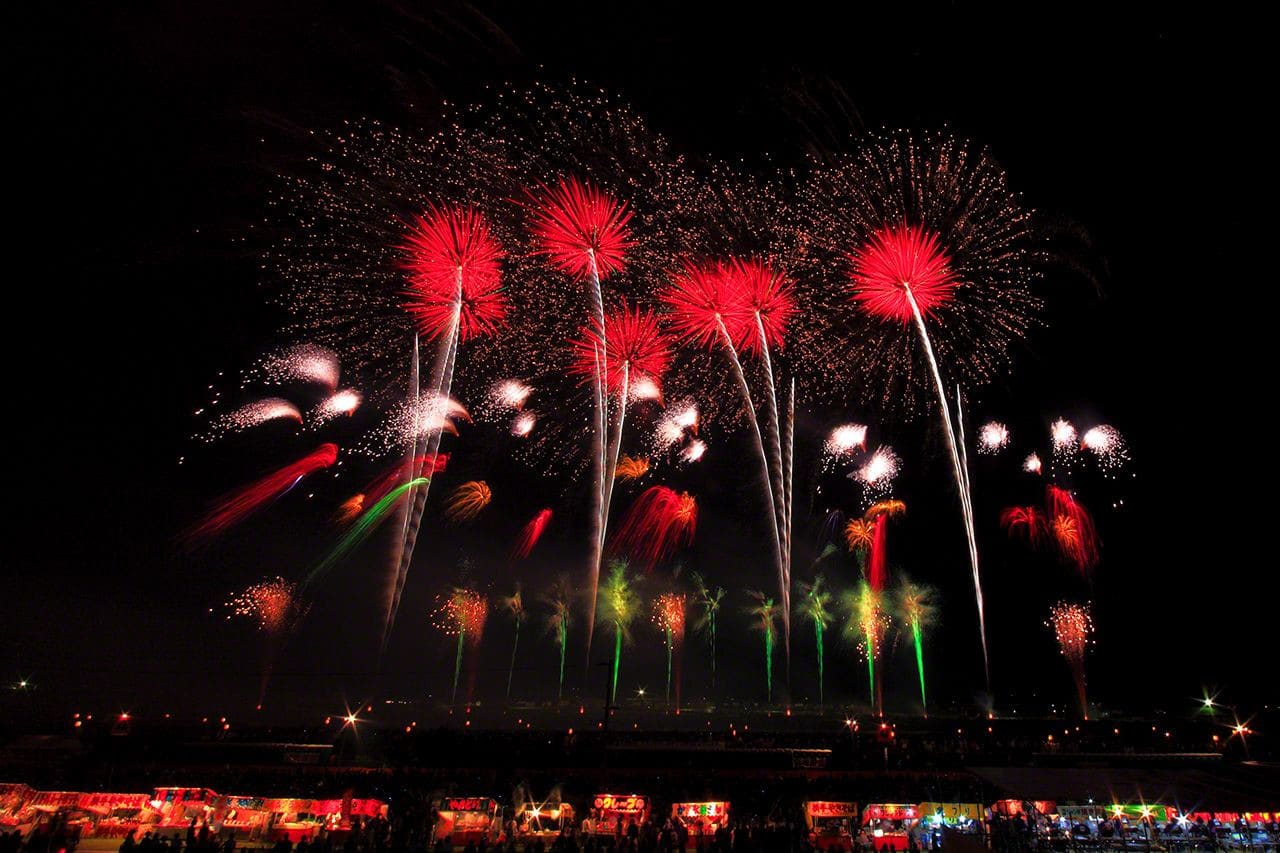
10-shaku shin-iri warimono: a technical benchmark of layered blooms
Shin-iri warimono is the traditional division of the 10-shaku contest. According to the official explanation, it must be a concentric chrysanthemum with three or more cores. When the firework blooms, ring patterns in different colors appear in sequence from inside to outside, and every layer must spread evenly in sync, as even a slight error will skew the pattern.
Judges value the completeness of the flower form and the pyrotechnician’s craftsmanship, and knowledgeable spectators usually focus on this division to appreciate it closely.
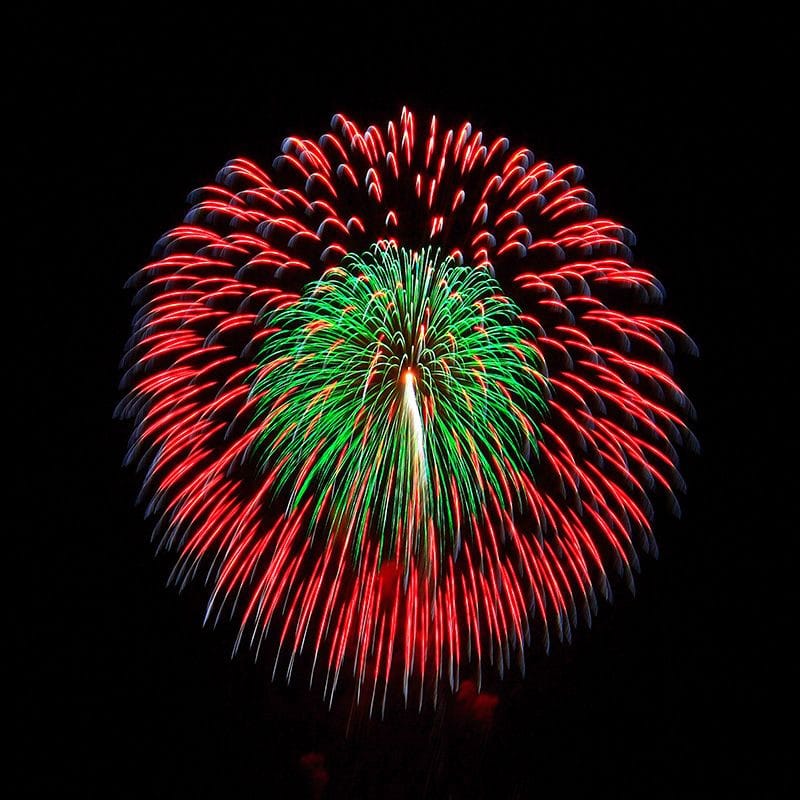
Official designated viewing area: best sound-and-picture sync
The official paid viewing area is set directly opposite Venue 1 and is the only seating where you can fully feel the “sound-and-picture sync” effect, where you clearly hear the launch and burst of the fireworks almost in step with what you see. Prices start at ¥8,000, and tickets must be bought through official channels such as Lawson Ticket or e+.
This area has two kinds of seating, regular seats and table seats, with table seats at 4 people per box, suited to families or groups sharing. Popular seats often sell out within hours of going on sale, so we suggest setting a sale reminder and grabbing tickets on time.
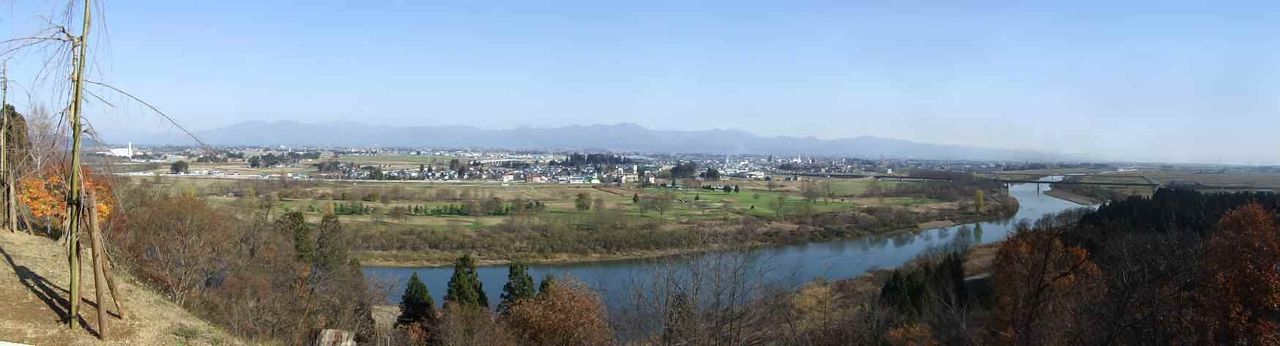
Himegami Park: a free high vantage point with a bird’s-eye view
The organizers state that all seating inside the venue is paid and there is no free viewing area, so free viewing can only be found outside the venue. Himegami Park is on high ground, about 10 minutes by car from Omagari Station, and is a popular viewing spot outside the venue.
- 👀 Pros: an open view looking down on the whole fireworks display, good for photography.
- ⚠️ Cons: it is farther from the venue, and the sound has a slight delay.
- 🎒 Tip: arrive before 3 p.m. to claim a spot, and bring your own picnic mat, mosquito protection and a flashlight.
- 🌙 After the show: lighting around the park is limited, so watch the road conditions on the way down.

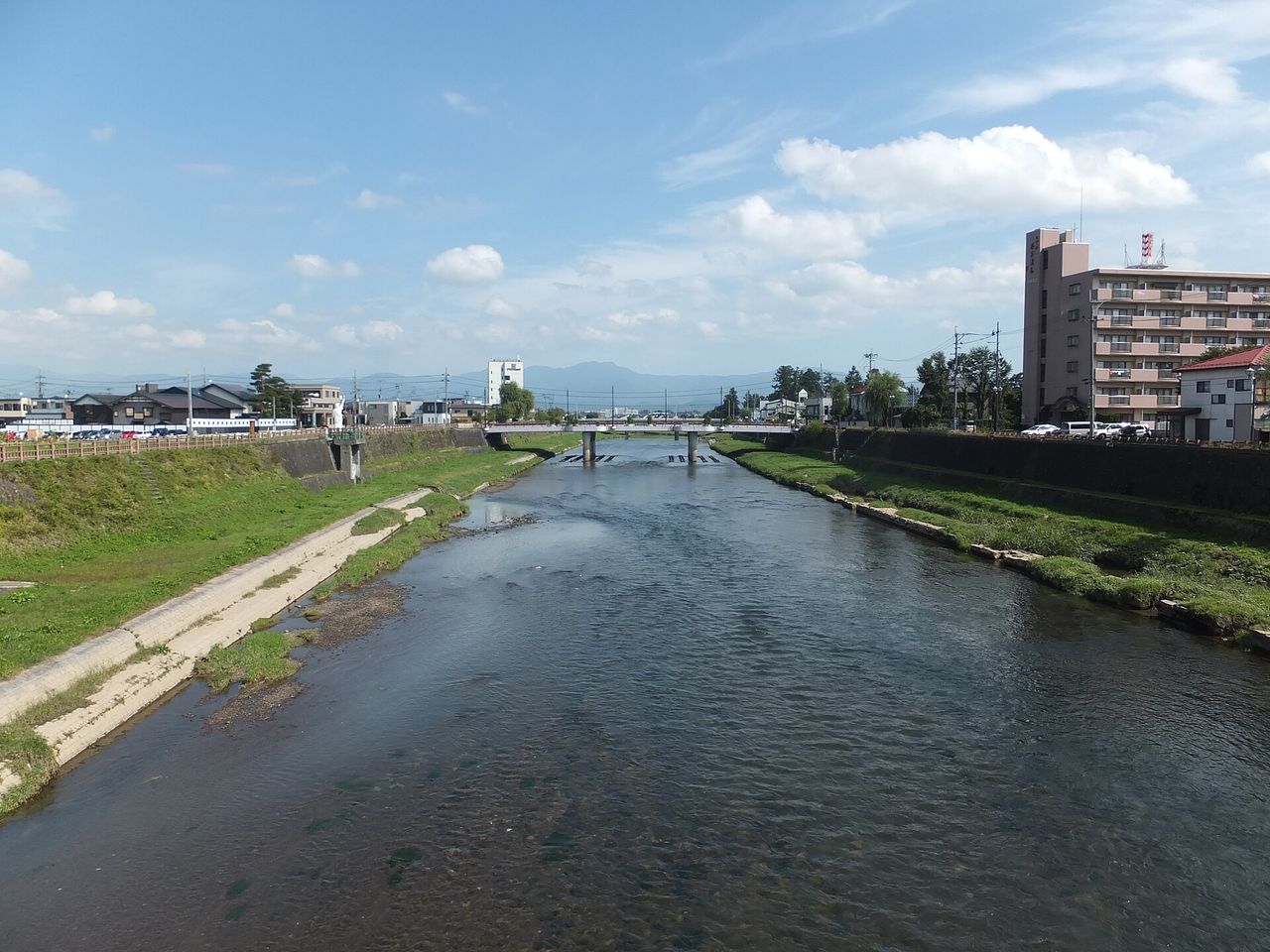
Maruko River embankment: a free viewing hotspot close to the venue
The Maruko River embankment is a very popular free viewing spot outside the venue, at a moderate distance where you can feel the stunning sound and light effects.
- 👀 Features: flat, open ground, good for bringing camping chairs and picnic mats.
- ⏰ Tip: arrive 2 to 3 hours early to claim a spot.
- ⚠️ Note: the embankment slope is slippery, so bring a flashlight and insect repellent.
- 🚶 After the show: walking back to JR Omagari Station along the embankment takes about 20 to 30 minutes.
“Hanabi-um” Fireworks Museum: a taste of fireworks culture next to Omagari Station
The Hanabi Traditional Culture Heritage Museum “Hanabi-um” (花火伝統文化継承資料館「はなび・アム」) is at 7-19 Omagari Omachi, Daisen City, about a 10-minute walk from JR Omagari Station, a museum for getting to know Omagari fireworks. Inside are a permanent exhibit on viewing techniques, a “Fireworks Theater” showing high-definition fireworks footage on four screens, and a “Fireworks Creation Workshop” where you can design a firework yourself and launch it virtually. It suits a visit before or after the event; for opening hours, closing days and admission fees, rely on Daisen City’s official announcements.
Kakunodate Samurai District: a samurai-town stroll beyond the fireworks
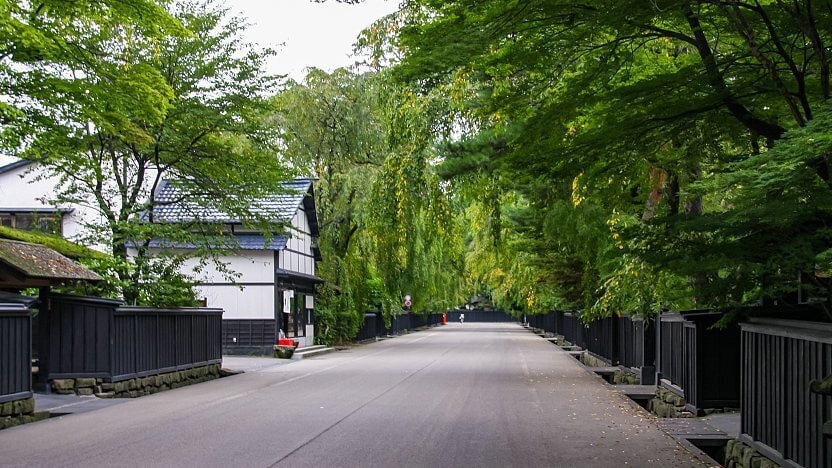
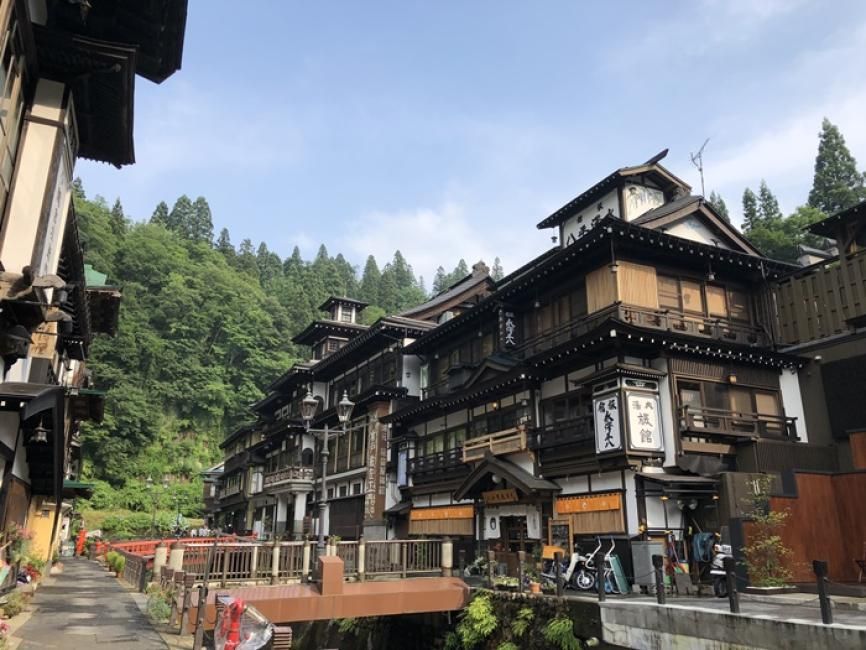
The Kakunodate Samurai District preserves the streetscape of Edo-period samurai residences, about 20 minutes by road from Omagari, and is a great stop before or after the fireworks. Black-tiled wooden buildings and century-old weeping cherry trees weave together a rich historic atmosphere, and it is known as the “Little Kyoto of Tohoku.”
The area is open from 9:00 to 17:00, and some samurai residences charge an entry fee of about ¥300 to ¥500. We suggest half a day, with a rented bicycle to tour the district, feeling a quiet samurai atmosphere unlike the bustle of the fireworks festival.

Lake Tazawa and Nyuto Onsen: the perfect end to a fireworks trip
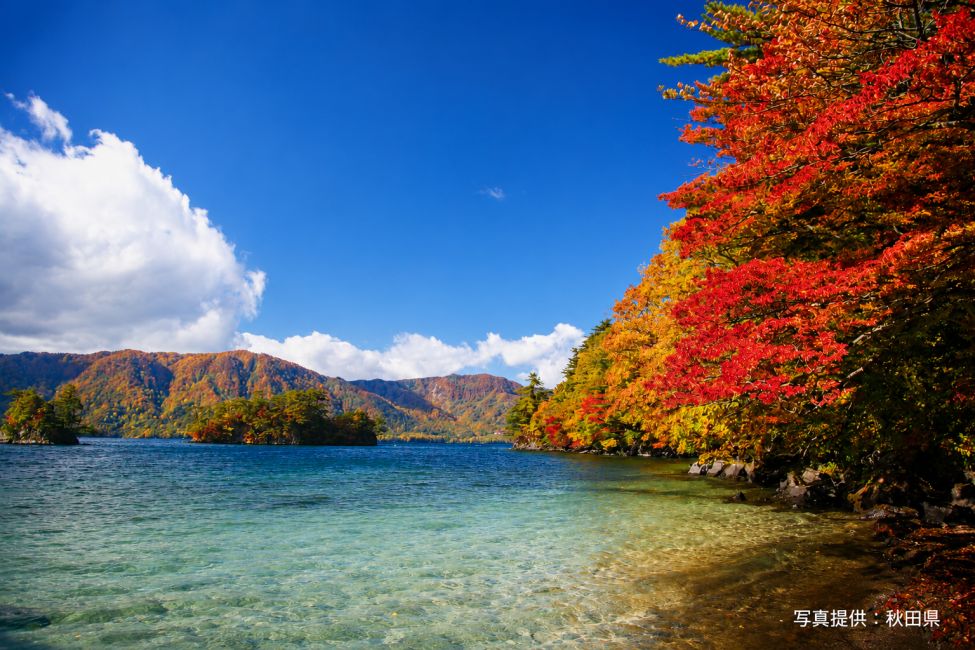
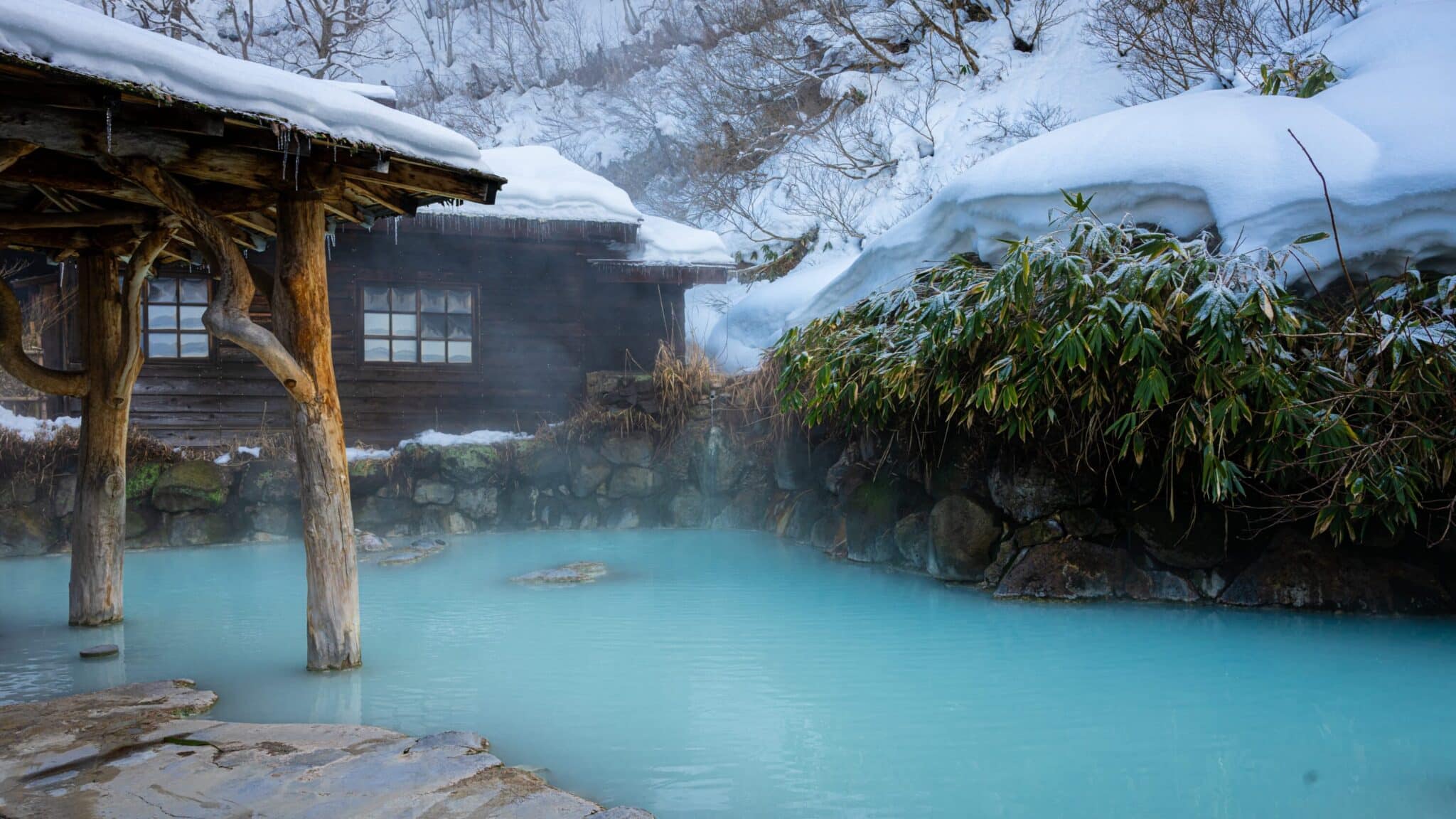
Lake Tazawa is the deepest lake in Japan, with a dreamy cobalt-blue color, and the golden Tatsuko statue on its shore is a popular photo landmark. Nearby Nyuto Onsen is known for seven distinctive hidden-spring inns, a great place to wash away fatigue after the fireworks.
We suggest combining the fireworks with these two sights as a two-day, one-night plan: watch the fireworks on the first day and stay overnight in Omagari or Kakunodate, then head to Lake Tazawa and Nyuto Onsen on the second day to soak and relax, completing the whole Tohoku-Akita trip on a perfect note.
How to Book 2026 Omagari National Fireworks Competition Tickets and Tours? Selected Guided Options
Competition for Omagari fireworks tickets is fierce, and we suggest using package tours or booking services to lower the risk of failing to get tickets.
How to buy Omagari fireworks tickets? Official seating sales and notes
All paid seating at the Omagari fireworks is purchased in advance, and the official site clearly states that no same-day tickets are sold. Taking the 98th edition in 2026 as an example, the official sales methods were as follows:
- 🎫 Online sales (first come, first served): sold through “Lawson Ticket” and “e+ (eplus).” The first round ran from June 12 at 10:00 to June 23 at 23:59, and the second from July 21 at 10:00 to July 31 at 23:59, held only if seats remained.
- 🏪 On-site direct sales: from 6:30 a.m. on July 5 at Hikario Plaza in Omagari, cash only, with no choice of position.
Omagari fireworks prices and refund rules: seat types, children and cancellation notes
- 💺 Prices are per “section,” the same regardless of the number of people: from ¥8,000 for a chair seat to ¥70,000 for a platinum two-person seat, and ¥13,000-¥25,000 for photographer seats (Lawson Ticket only).
- 👶 Children: elementary school students and older need a ticket; children under elementary school age enter free when accompanied by a guardian.
- ⚠️ Refund rules: no cancellations, refunds or seat-type changes for personal reasons; tickets carry over if postponed and are refunded only if the event is canceled.
The official ticket site is in Japanese and requires member registration; the 2027 sales schedule has not been announced, so you can prepare early by referring to the schedule that went on sale in mid-June 2026.
Omagari fireworks paid-seat package: assigned seat with guaranteed entry
Travel agencies and booking platforms sometimes sell packages that include viewing seats, suiting travelers who do not want to compete for tickets themselves. Contents and prices vary by plan, so before ordering confirm the seat type, whether transport is included, and the cancellation rules. It can also spare you the language barrier of grabbing tickets in Japanese. For the official seat types and sales schedule, see the official sales explanation in the previous section.
Omagari fireworks 2-day, 1-night bus tour from Tokyo: transport and lodging in one
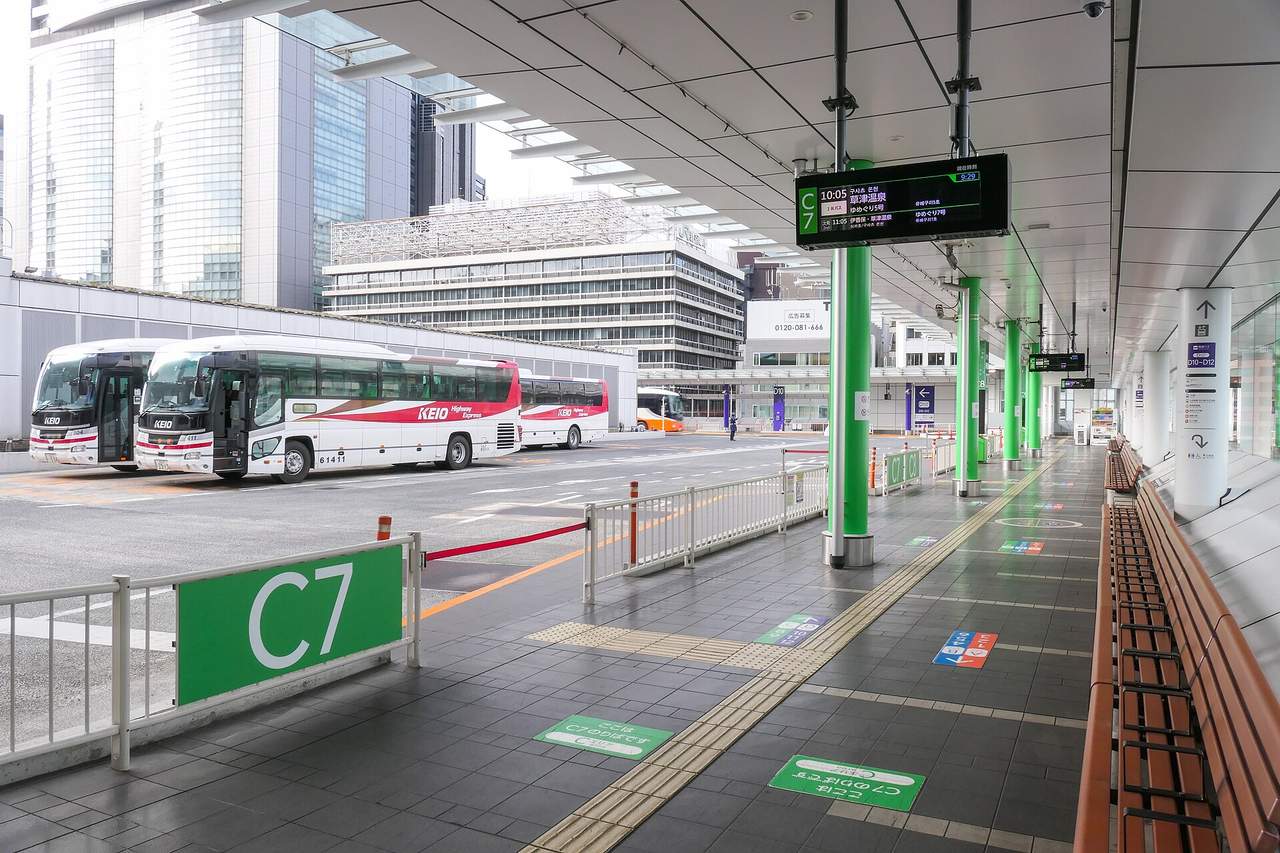
Travel agencies may offer 2-day, 1-night fireworks tours from Tokyo, suiting travelers who do not want to handle transport and lodging themselves. Whether viewing seats and lodging are included varies by plan, so confirm tour dates, prices and sign-up deadlines with the travel agency, and book early in peak season. You can also buy official viewing seats yourself and arrange the trip around the Shinkansen.
Omagari fireworks overnight day trip from Sendai: the most time-saving choice for Tohoku travelers
The ride from Sendai to Omagari is shorter than from Tokyo, suiting travelers already touring the Tohoku region who want to link up their itinerary. Whether viewing seats and return transfers are included varies by travel agency plan, so confirm prices with the agency, and you can also combine it with Tohoku sights such as Matsushima or Zao.
Omagari fireworks + Kakunodate Samurai District day trip: fireworks and an old town in one itinerary
Stroll the Kakunodate Samurai District by day and watch the fireworks by night, experiencing Tohoku samurai culture and a fireworks spectacle on the same day. This schedule is quite tight, so if you choose a travel agency plan, confirm whether it includes viewing seats, return transport and the pickup time after the show, as prices vary by plan. If arranging it yourself, you can take JR between Omagari and Kakunodate.
Where to stay nearby
Omagari Station is on the Akita Shinkansen line, and demand for lodging is concentrated around the Omagari fireworks, with a limited number of hotels near Omagari Station, so book early. You can also consider staying in nearby Yokote, Kakunodate or Akita City and taking the Akita Shinkansen or the JR Tazawako Line to Omagari.

Omagari National Fireworks Competition FAQ
Q: How much are tickets for the 2026 Omagari fireworks?
In 2026, paid seating ranges from ¥8,000 per section (chair seat) to ¥70,000 (platinum two-person seat), bought through Lawson Ticket, e+ online on a first-come basis, or on-site direct sales in July. The organizers do not sell same-day tickets.
Q: What is the easiest way to get to the Omagari fireworks?
We recommend taking the JR Akita Shinkansen Komachi directly to Omagari Station and then walking about 2 km (about 20-30 minutes) to the venue, the fastest and most reliable way.
Q: What time do the Omagari fireworks start and end?
The venue opens at 15:00, daytime fireworks run 17:10-18:00, and night fireworks 19:00-21:30.
Q: Which is more worth going to, Omagari or Nagaoka?
Omagari emphasizes the pyrotechnicians’ technical competition, while Nagaoka emphasizes remembrance and recovery. Choose Omagari for a technical showdown and Nagaoka for a grand story atmosphere.
Q: Do I need to stay overnight?
Staying overnight is strongly recommended, because transport after the show is extremely congested and a same-day round trip could mean queuing one to two hours for transport. We suggest booking Omagari or Kakunodate lodging several months ahead.
Q: Can you see well from the free viewing areas?
The organizers say there is no free seating inside the venue, but locations outside such as Himegami Park and the Maruko River embankment also let you see the fireworks. The view is open but you need to claim a spot 2 to 3 hours early, and the sound effect is slightly weaker than at paid seating.
Q: Is the event canceled if it rains?
Omagari fireworks generally go ahead in the rain, and are postponed only in severe weather, with the new date decided after the organizers confirm how the venue recovers; tickets carry over to the postponed date. We suggest following the official website and official X account for the latest announcements.