
Tokyo to Mt. Fuji Highway Bus: The Convenient Choice
Getting from busy Tokyo to majestic Mt. Fuji, the highway bus is one of the cheapest and most convenient ways to go. You skip the tangle of train transfers and arrive directly at the key spots of the Fuji Five Lakes area, such as Lake Kawaguchiko, Fuji-Q Highland and Mt. Fuji 5th Station. This guide walks through how to book the 2026 Tokyo-to-Mt. Fuji highway bus, the main boarding points, timetables and fares, plus practical riding tips to help you plan a smooth Mt. Fuji trip.
Why Take the Highway Bus to Mt. Fuji?
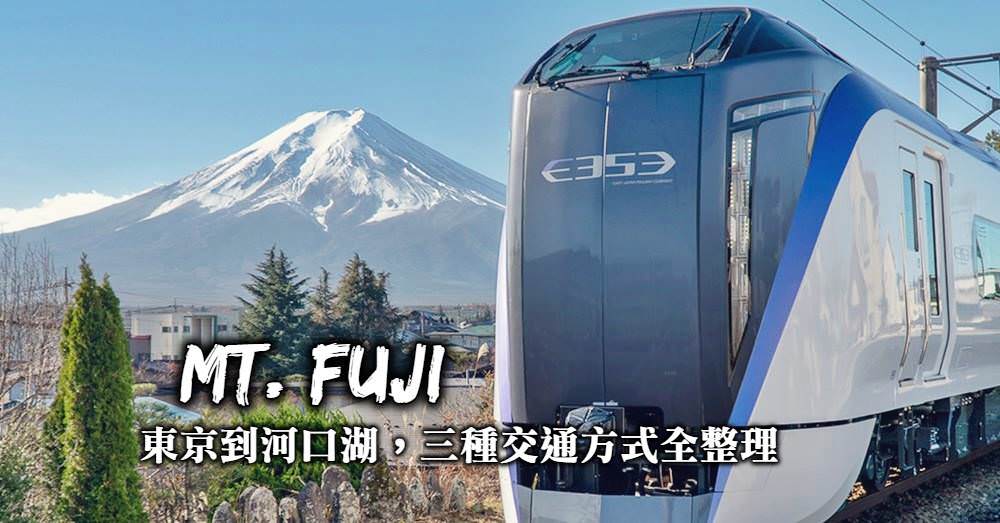
Highway buses run direct, which cuts travel time and the hassle of transfers. Compared with rail, bus fares are more competitive, especially for travelers on a tight budget.
Services are also frequent and leave from several major stations in central Tokyo, so you have plenty of flexibility to fit your itinerary. Riding the highway bus to Mt. Fuji is comfortable, and you get to enjoy the Japanese countryside along the way.
Main Highway Bus Departure Points in Tokyo
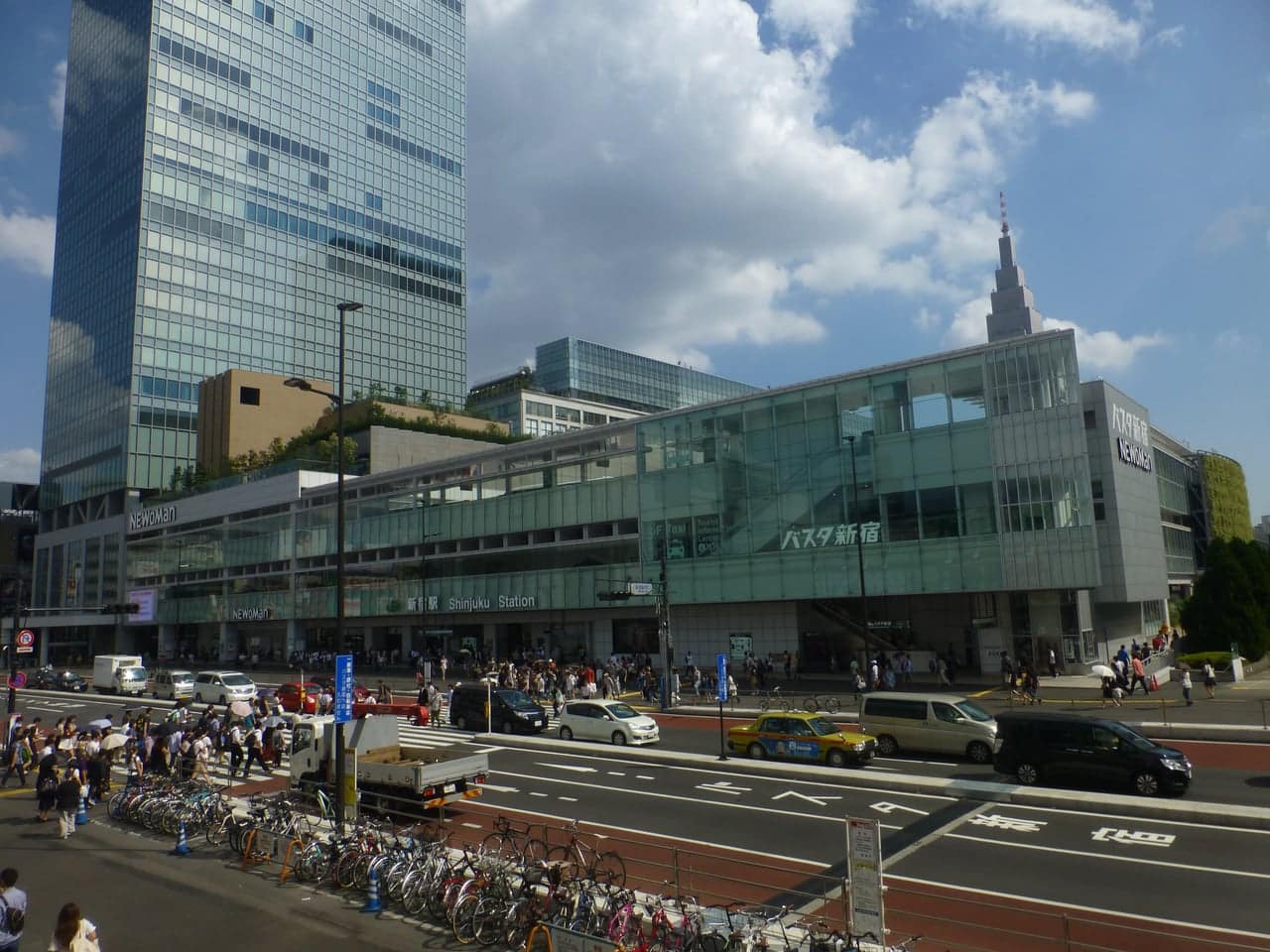
Several major stations in Tokyo have highway bus services to the Mt. Fuji area, including Busta Shinjuku (Shinjuku Expressway Bus Terminal), the Yaesu South Exit of Tokyo Station, Shibuya Mark City, the East Exit of Ikebukuro Station and some airports.
These departure points are easy to reach and well equipped with nearby facilities. Busta Shinjuku is the busiest and has the most departures; its modern facilities and clear signage make it easy for first-time riders to find their boarding platform.
Tokyo to Mt. Fuji Highway Bus: Routes, Timetables and Fares
When planning a highway bus trip from Tokyo to Mt. Fuji, the key is to understand the routes, the latest timetables and the fares. The main operators include Fuji Kyuko Bus, JR Bus Kanto and Willer Express, which offer a range of options for different needs. We recommend checking the latest information online and booking in advance, especially in peak travel seasons.
Main Highway Bus Routes and Destinations
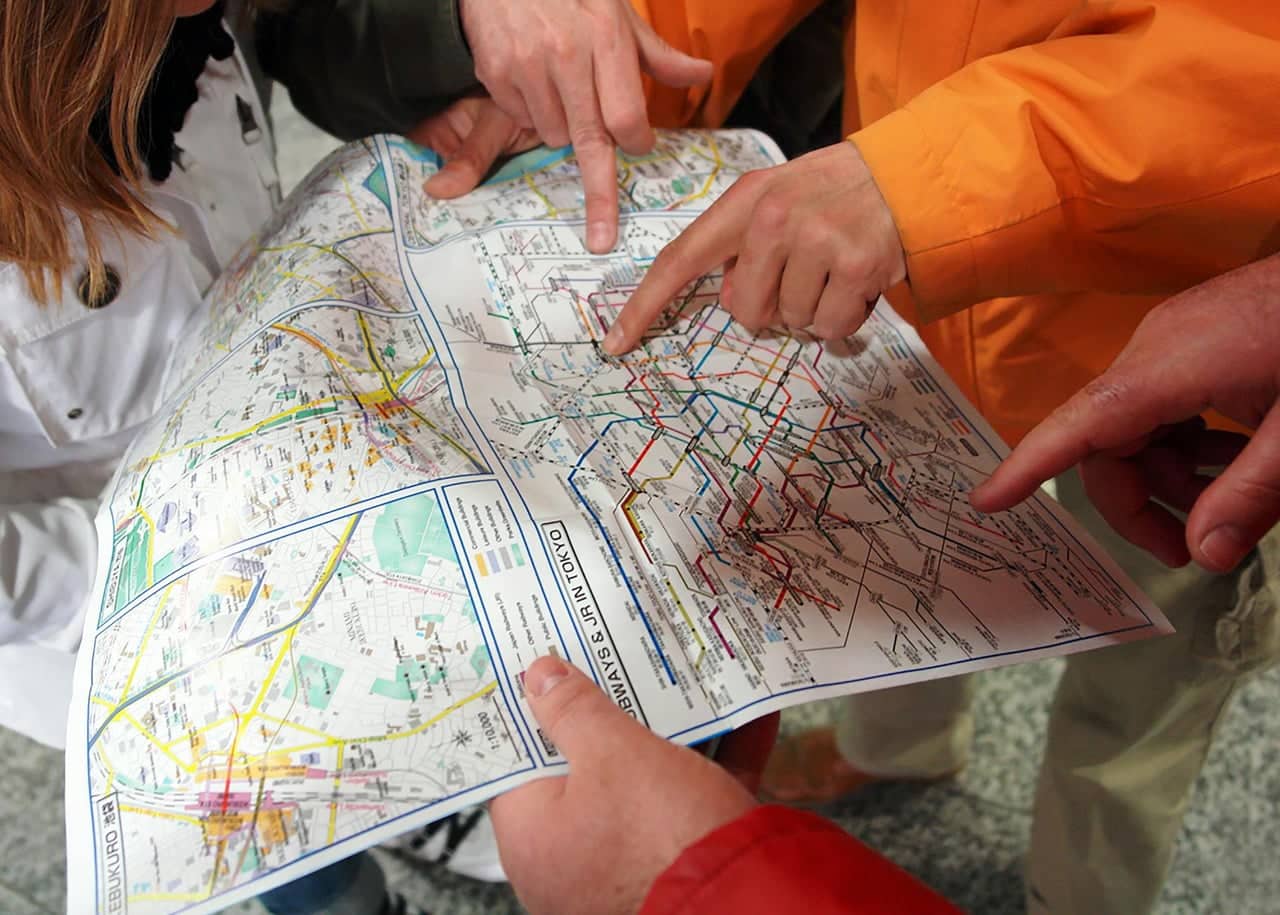
For trips from Tokyo to the Mt. Fuji area, the most popular routes usually end at, or make their main stop at, Kawaguchiko Station.
Some buses also stop at Fuji-Q Highland and Fujisan Station, and in summer there are direct buses to Mt. Fuji 5th Station.
2026 Fuji Subaru Line Traffic Restrictions:According to an announcement from Yamanashi Prefecture, private vehicles are restricted on the Fuji Subaru Line (the road linking Lake Kawaguchiko and Mt. Fuji 5th Station) from 18:00 on July 3 to 18:00 on September 10, 2026. During this period you cannot drive up in your own car. Park at the “Fujisan Parking” lot at the foot of the mountain (¥1,000 per car per entry), then continue by shuttle bus (round trip ¥3,400 for adults, ¥1,700 for elementary school children) or by taxi.
Latest 2026 Timetables and Service Frequency
Highway bus timetables change with the season and the date, and extra services may be added in peak periods such as Golden Week, the summer holidays and the autumn foliage season. In general, services between Shinjuku and Kawaguchiko are very frequent, with even more on weekends and holidays.
We suggest checking the latest timetable on each bus company’s official website or on a booking platform one to two months before departure. Booking early not only secures a seat but can sometimes earn an early-bird discount. Night buses offer different departure times, so you can make full use of the daytime for sightseeing.
Shinjuku to Kawaguchiko Services and Fares: 55 Departures a Day From October 2026
The Shinjuku-Fuji Five Lakes line is operated jointly by Keio and Fuji Kyuko. After the timetable revision on October 1, 2026, there are 55 departures a day from both Shinjuku and Kawaguchiko Station. The ride from Kawaguchiko Station to Tokyo takes about 2 hours 5 minutes, and a one-way adult fare is ¥2,300. Actual services and fares are as published on each bus company’s official website.
Highway Bus Fares and Discount Options
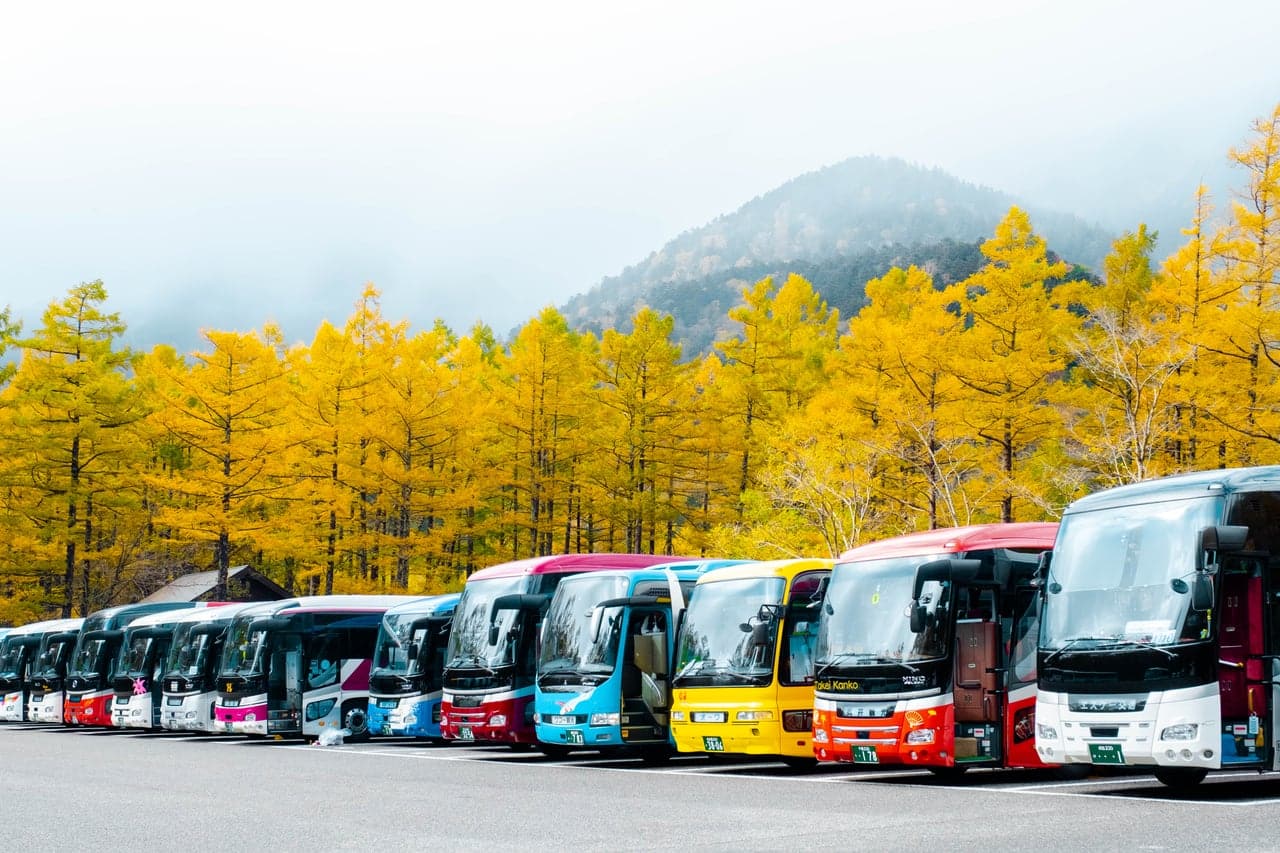
One-way highway bus fares from Tokyo to the Kawaguchiko / Fuji-Q Highland area usually range from ¥2,000 to ¥2,500. In summer (roughly July to August), the bus from Busta Shinjuku directly to Mt. Fuji 5th Station covers a longer distance, so the one-way fare is about ¥3,800 (2026 summer daytime services). The exact price varies with the departure point, destination, bus company and booking time.
Child fares are usually half the adult fare. Many bus companies offer round-trip discounts, or bundled passes that combine local transport with attraction tickets. For example, some bundles include a round-trip highway bus ticket plus admission to Fuji-Q Highland, or a one-day Kawaguchiko sightseeing bus pass.
How to Book a Tokyo to Mt. Fuji Highway Bus Ticket
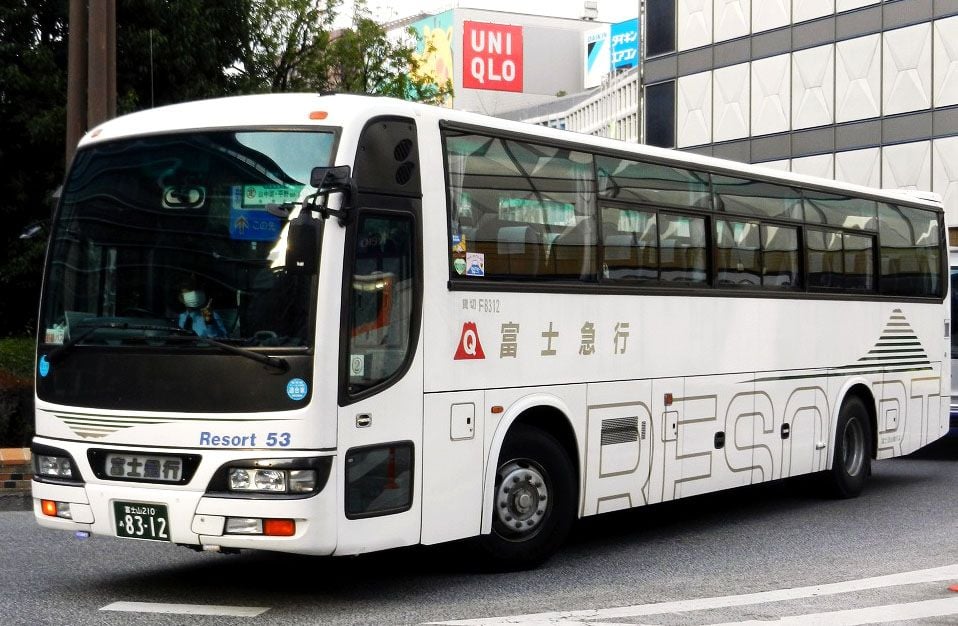
There are several ways to book a highway bus ticket; the most common and recommended is through an official website or an online booking platform. Main platforms include Japan Bus Online, Highway Bus.com, Willer Travel and Kosokubus.com.
These platforms offer multilingual interfaces that make them easy for international travelers to use. The booking process usually involves choosing your departure point, destination, date, time and number of passengers, then paying online.


Highlights and Experiences
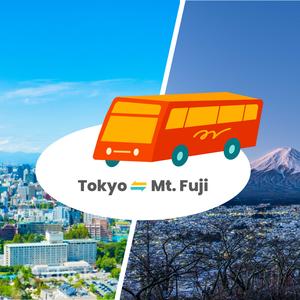
Riding the Tokyo-to-Mt. Fuji highway bus gives you plenty to plan for along the way and on arrival. From views of Mt. Fuji reflected in Lake Kawaguchiko, to the thrill rides at Fuji-Q Highland, to the alpine scenery at 5th Station, the journey itself is part of the trip.
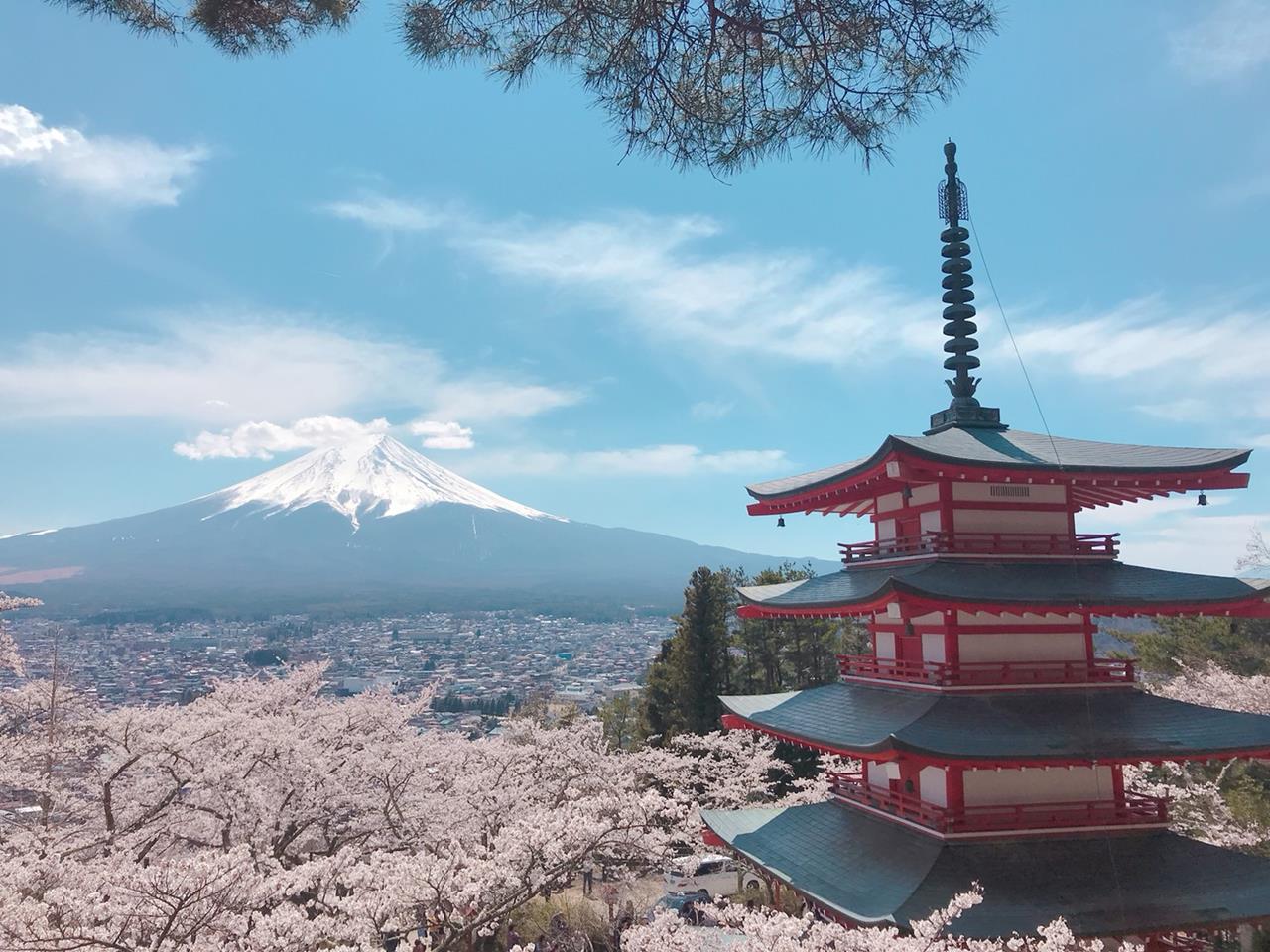
Lake Kawaguchiko is the terminus of most bus routes. Oishi Park and the Kawaguchiko Music Forest Museum on the lakeshore both capture the classic view of Mt. Fuji and the lake together, best on a clear day. If you like looking down on a view, walk up the roughly 398 steps to Arakurayama Sengen Park and photograph Mt. Fuji from the angle of the Chureito (five-story pagoda), one of the most common Mt. Fuji photo spots on social media.
If your bus route extends to Fuji-Q Highland Station, the park is famous for fast roller coasters such as FUJIYAMA and Do-Dodonpa, a pilgrimage site for thrill-ride fans; even without entering, you can get a close view of Mt. Fuji around the park. During the summer climbing season (roughly July to September), some buses go straight to Mt. Fuji 5th Station. It is one of the starting points for climbing Mt. Fuji and also a spot non-climbers can reach, with a small shrine, souvenir shops and an observation deck, and on a clear day you can look down on the sea of clouds and the surrounding mountains.
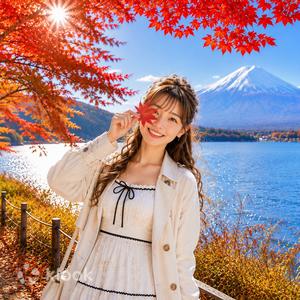
In autumn, the Momiji Corridor (maple tunnel) around Lake Kawaguchiko contrasts beautifully with Mt. Fuji’s snowy peak; in winter, dry air gives high visibility, and it is often the season when the snow on the summit looks clearest all year. Whether you go as a day trip or stay overnight, leave at least half a day so you can explore the lakeside spots at a relaxed pace and wait for the best light to photograph Mt. Fuji.
Tokyo to Mt. Fuji Highway Bus: Practical Riding Tips and Notes
Beyond booking your ticket, there are plenty of practical tips and notes that can make your bus trip to Mt. Fuji smoother. From luggage and onboard facilities to coping with traffic jams, knowing these in advance will help you enjoy the ride.
Luggage and Restrictions
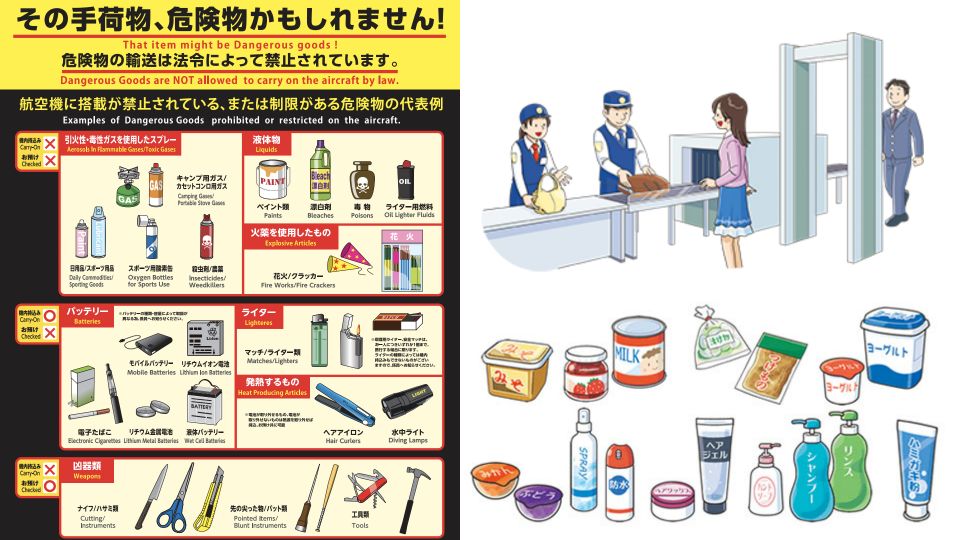
Highway buses usually allow each passenger to put one large piece of luggage in the hold under the bus; size and weight limits vary by bus company, so check before booking. You can also bring one small carry-on onto the bus, to be placed in the overhead rack or at your feet.
Note that some bus companies have stricter rules on luggage size and quantity, so check the details on each company’s website before booking. Keep valuables, fragile items and medication with you rather than checking them. If you carry several large bags, you may have to pay an extra fee or consider other transport.
Onboard Facilities and Services
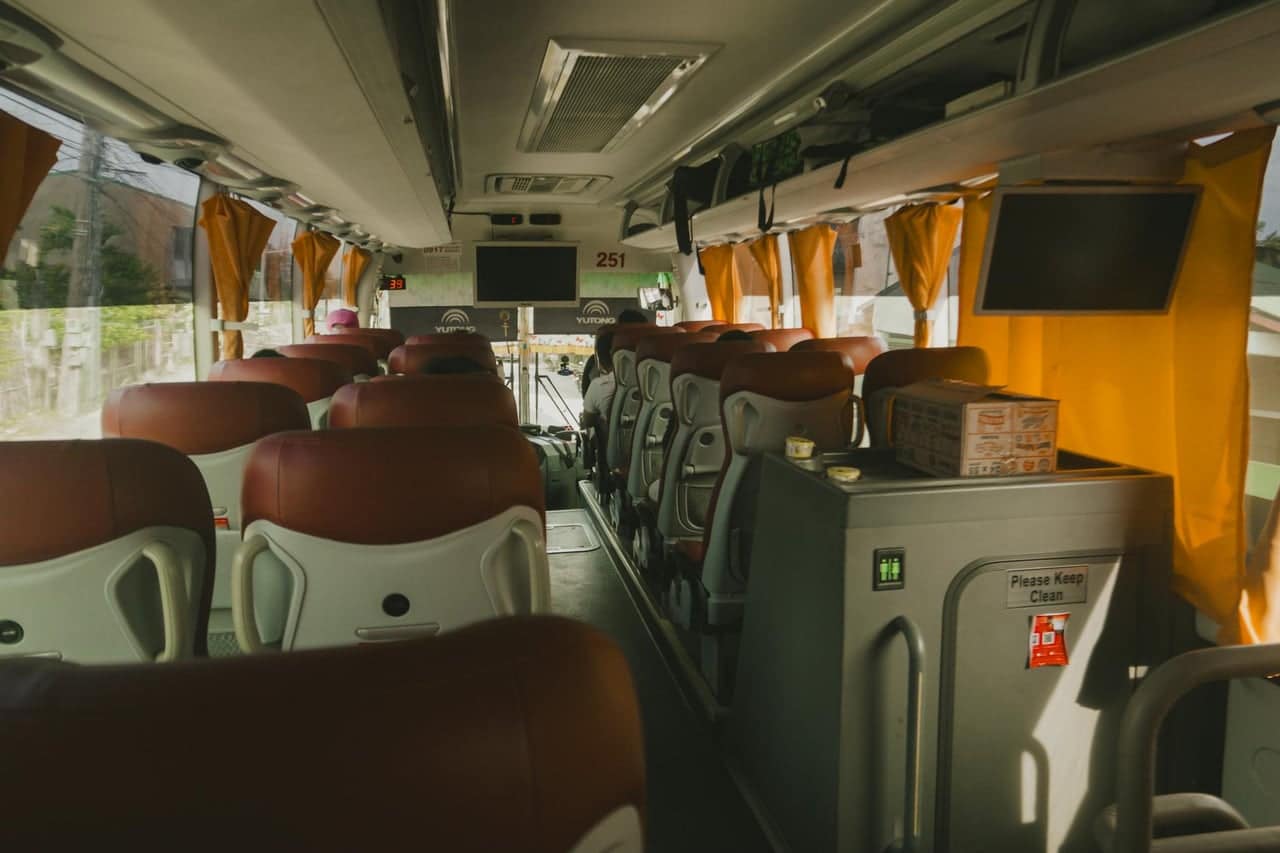
Modern highway buses are usually equipped with a range of amenities for passenger comfort. Common features include reclining seats, individual reading lights, air conditioning, charging outlets (USB or AC) and free Wi-Fi. Some premium buses even offer wider seats, footrests or women-only seating areas.
Long-distance buses usually have an onboard restroom. If a bus has no restroom, the driver arranges rest stops along the way. When booking, you can check the bus model and equipment description and choose the service that suits you. Making use of these amenities makes the trip easier and more pleasant.
Coping with Traffic Jams and Delays
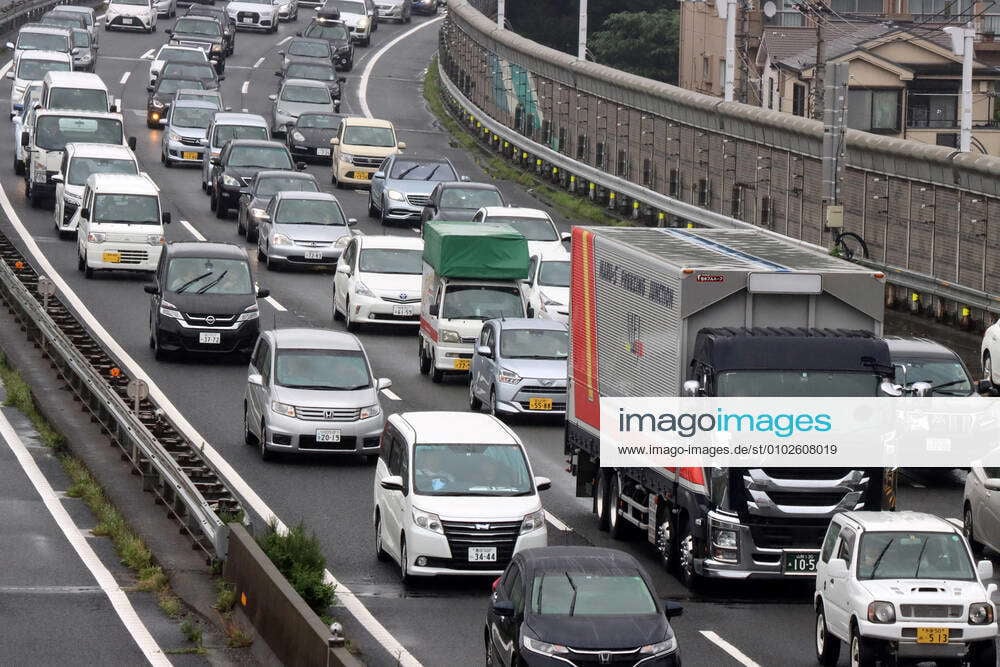
Because highway buses run mainly on expressways, traffic jams are possible, especially on weekends, holidays and in peak travel seasons. This can delay the bus and affect your later plans. Allow plenty of buffer time when planning, especially if you have a flight or train to catch.
You can check real-time traffic and bus locations on the bus company’s official website or a traffic information app. Keep your phone charged so you can contact your companions or your destination if there is a delay. In case of a serious delay, the bus company usually provides information and assistance; please stay patient and follow the driver’s instructions.
Riding Etiquette and Notes
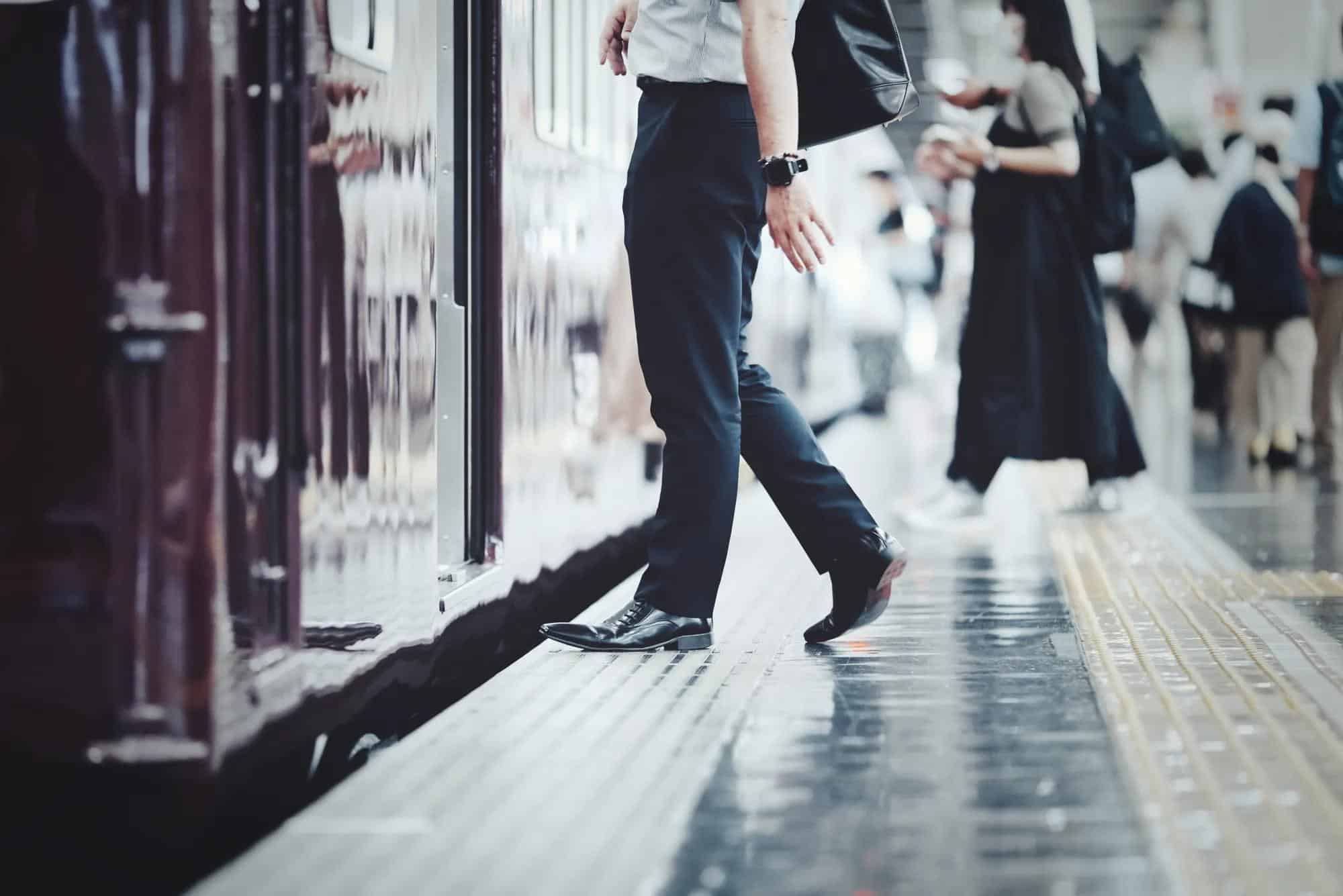
When riding a highway bus, please follow basic etiquette so everyone enjoys the trip. After boarding, set your phone to silent or vibrate and avoid loud talking. If you need to make a call, keep your voice low or move to the back of the bus.
Please do not eat strong-smelling food on board, so as not to bother others. Consider the passenger behind you when reclining your seat, and take all your belongings when you get off. Following these basics shows respect for others and helps keep the ride pleasant for all.
Around Lake Kawaguchiko at Mt. Fuji: Food and Places to Rest
After arriving in the Lake Kawaguchiko area, tasting the local specialties is an essential part of the experience alongside the scenery. Around the lake there are many restaurants and cafes, from traditional Japanese cooking to Western-style dishes, so your taste buds get a treat on the trip too.
Houtou Noodles: Houtou Fudo Kawaguchiko Kitahonten
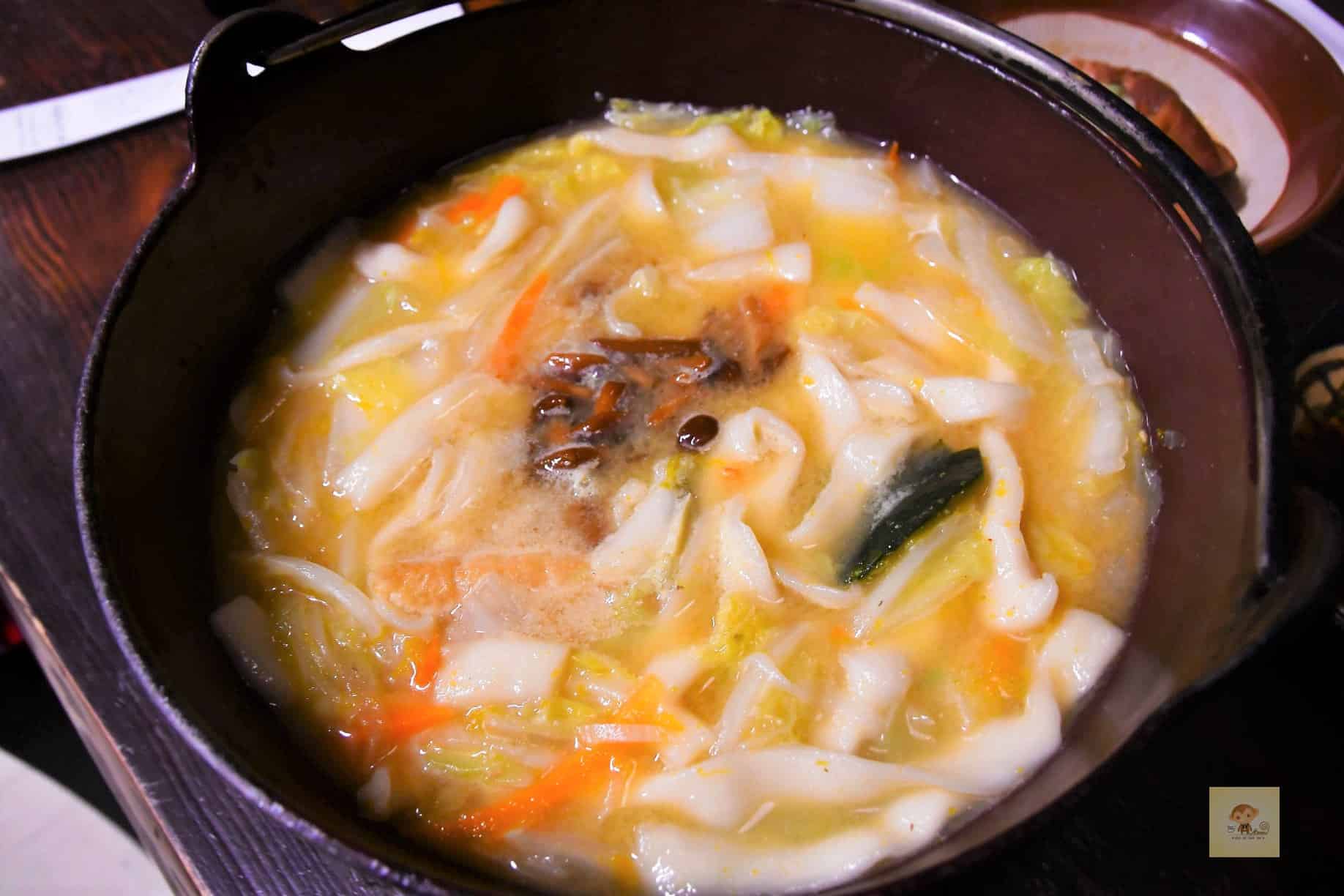

When you come to Yamanashi Prefecture, don’t miss the local specialty “houtou.” This rustic dish stews wide, flat noodles with plenty of vegetables in miso. It is rich in flavor and nourishing, especially good in cold weather.
Houtou Fudo is one of the best-known houtou specialty shops around Lake Kawaguchiko. The Kawaguchiko Kitahonten branch is popular with visitors for its traditional Japanese architecture. It is open 11:00 to 20:00 (closing once the noodles sell out) and accepts cash only. The portions are generous, making it a great way to refuel.
Pumpkin Houtou: Koshu Houtou Kosaku Kawaguchiko
Koshu Houtou Kosaku Kawaguchiko is in Funatsu, Fujikawaguchiko Town, and serves about 10 flavors of houtou. Besides the signature pumpkin houtou (about ¥1,450), there is also a sweet red bean houtou to enjoy as dessert.
It is open 11:00 to 19:30 (closing at 20:00), with a folk-craft style interior that suits family meals or get-togethers with friends.
Lakeside Coffee: Lake Bake Kawaguchiko
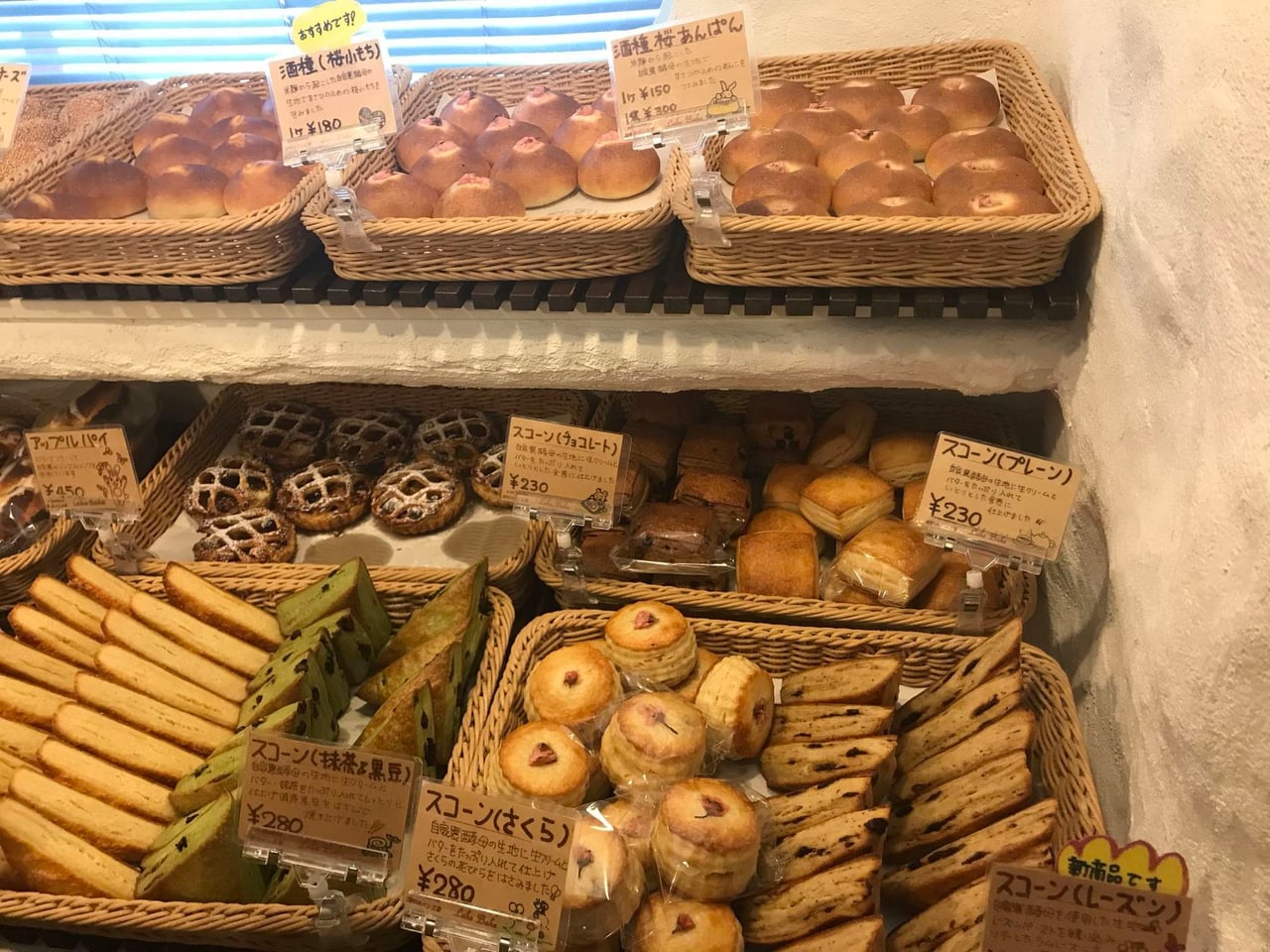
After enjoying the views of Lake Kawaguchiko, finding a comfortable cafe to rest and unwind is also a good idea. Lake Bake Kawaguchiko sits on the lakeshore and is known for its freshly baked bread, desserts and fragrant coffee.
The cafe has terrace seating overlooking Lake Kawaguchiko and Mt. Fuji. It is open roughly 10:00 to 16:30, closed on Wednesdays and the 2nd and 4th Thursdays of each month; please rely on the shop’s own announcements for opening status.
Lakeside Views: Lake Kawaguchiko Oishi Park
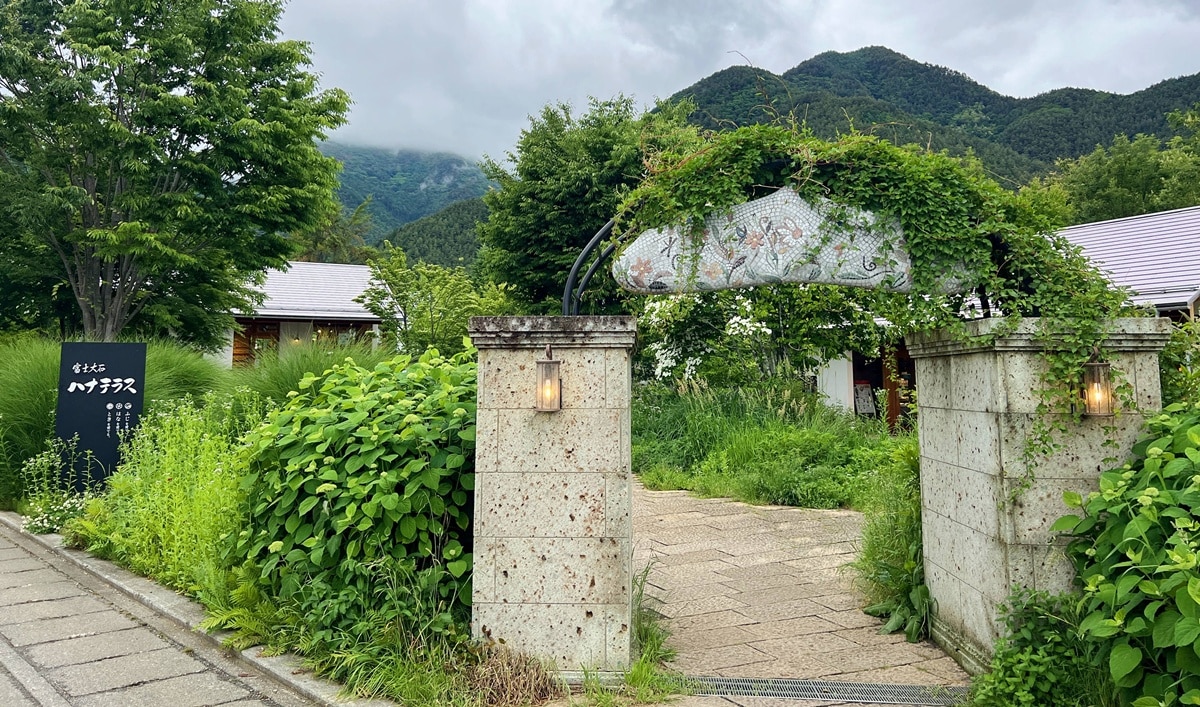
Lake Kawaguchiko Oishi Park is an excellent spot to view Mt. Fuji and the lake. Entry is free, and the park has about 3,000 lavender plants that bloom from early to mid July; in autumn there are kochia (kokia) and autumn leaves, at their best from mid to late October.
The park is on the north shore of Lake Kawaguchiko; after a stroll, you can stop by the nearby shops for Mt. Fuji souvenirs and local specialties.
Where to Stay Along the Way
After the highway bus gets you to Kawaguchiko Station, if you want to avoid a same-day round trip, stay a night near Kawaguchiko Station or on the lakeshore, and you can enjoy Mt. Fuji’s light in both morning and evening. For a view of Mt. Fuji at dawn the next day, choose a hotel on the lakeshore or within walking distance of Kawaguchiko Station, and book peak-season rooms early.